
Planning a Trip to Japan for the First Time: Everything You Need to Know
Planning a trip to Japan for the first time can feel overwhelming at first, especially if you’ve never experienced big Asian cities before.
We’ve traveled extensively around the globe, and even we were overwhelmed by it all! From transportation and payments to cultural norms and seasonal travel, there is a lot to figure out before you arrive. This guide is designed to walk you through the basics, and give you the insights that people on social media don’t always share.
We’re here to help from our personal experience, and hope it will help you start off on the right foot with your travels! Whether you are visiting for a short trip or building a longer itinerary, this guide will help you feel confident before you go, and answer pretty much any questions you may be having about planning a trip to Japan.
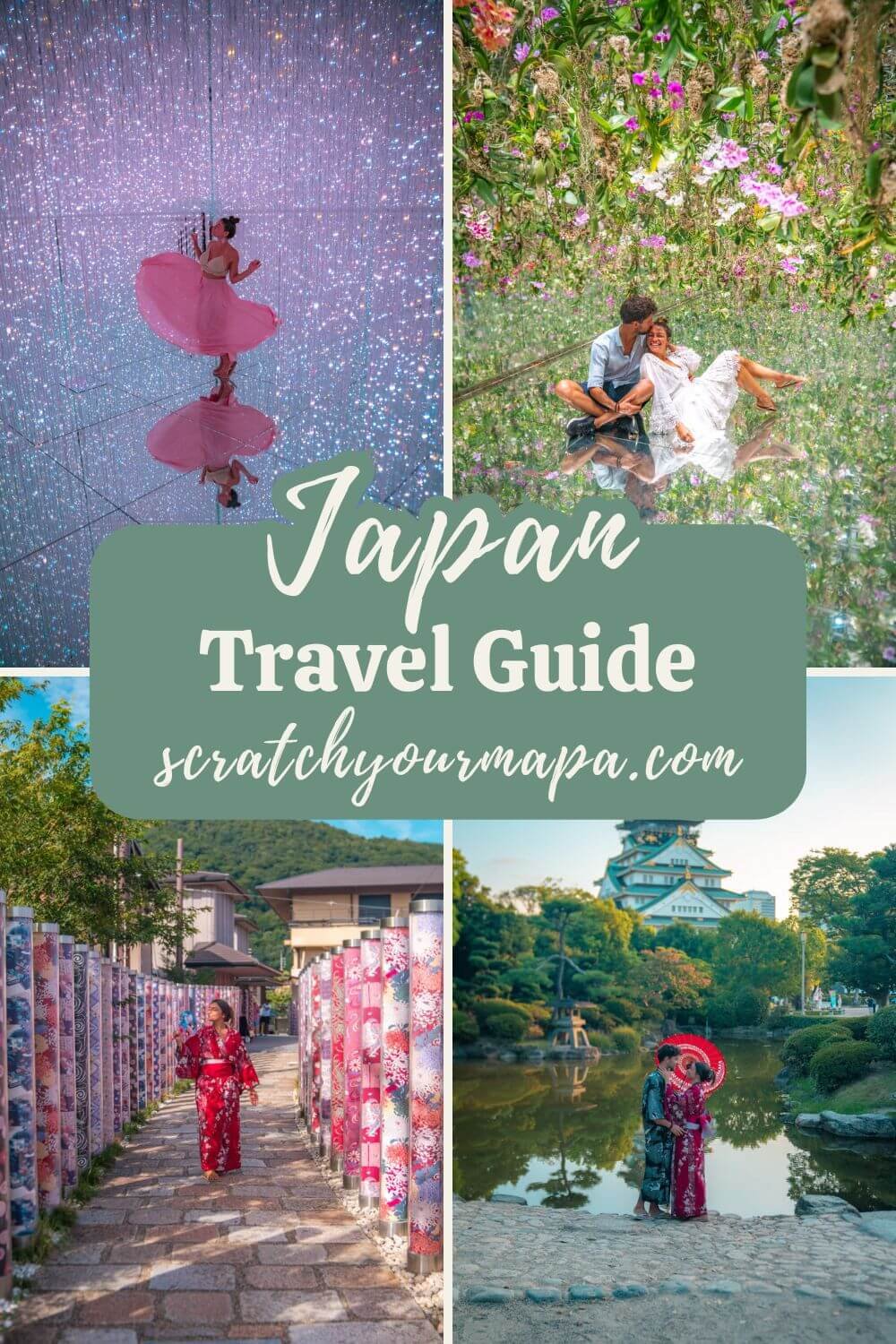
Want to save the article for later? Pin it!
*Please note that this blog post may contain some affiliate links, which we make a small profit on, at zero cost to you. Links are only used on products & services that we’ve used and believe in, to give you the best buying experience. Purchasing from these links helps us to continue providing free travel guides for you- so thank you for your support!
Our Travel Planning Recommendations
The Basics of Planning a Trip to Japan for the First Time
If you are planning a trip to Japan for the first time, it’s important to understand what makes the country unique before building your itinerary. First let’s chat a bit about what Japan is known for, and whether or not it’s a good fit for you.
⭐️ What is Japan Famous For?
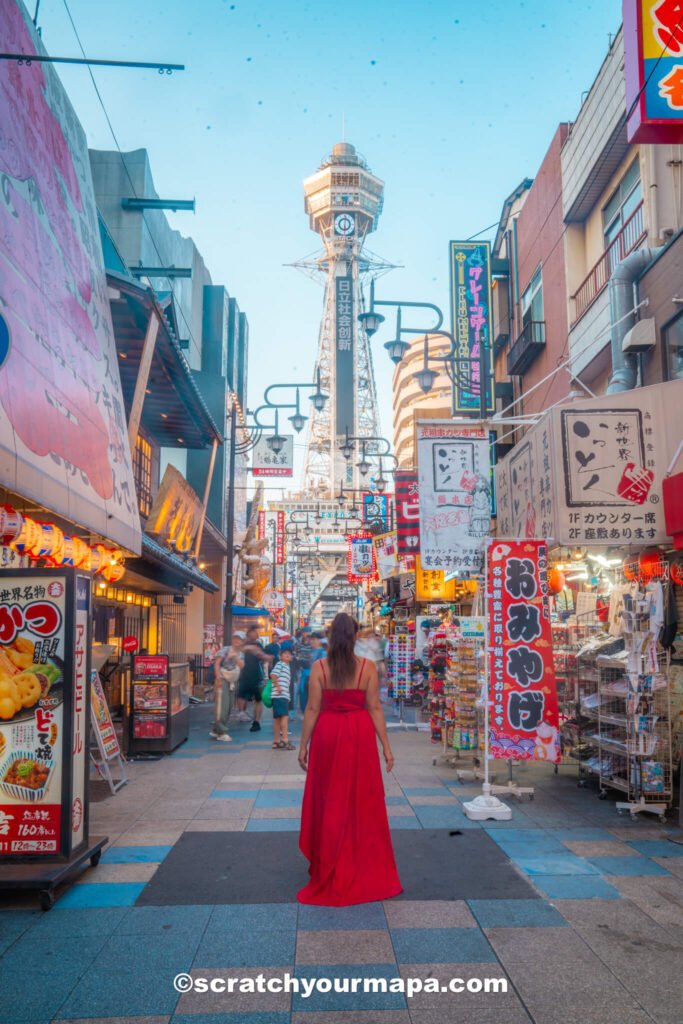
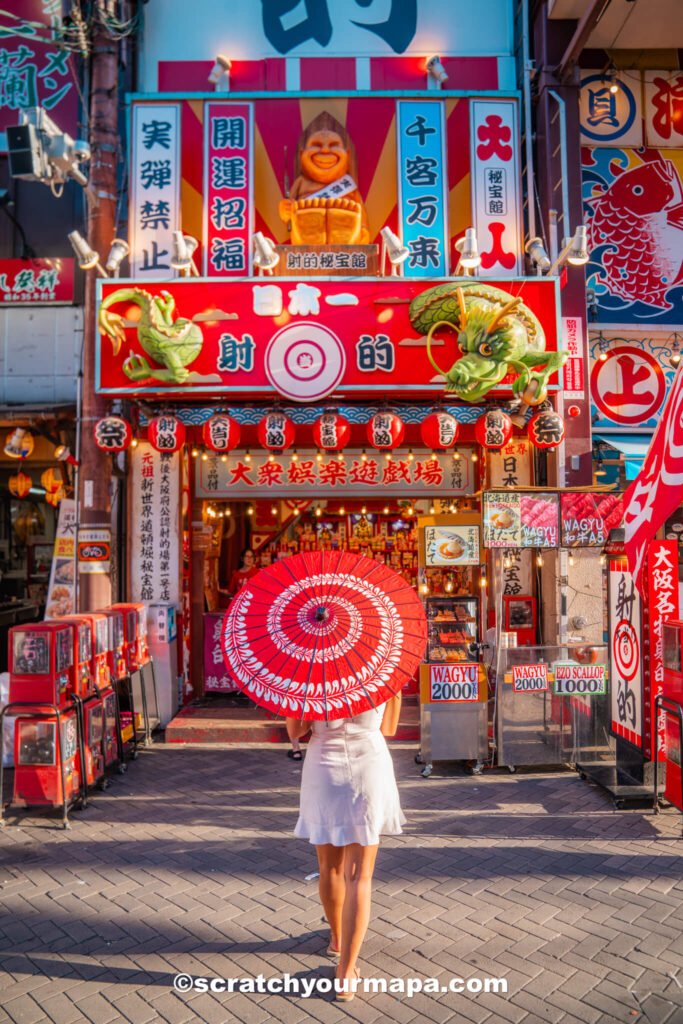
Japan is famous for a lot of things, and chances are you already have a few on your mind. Anime, sushi, Mount Fuji, cherry blossoms, and the bullet train are just the beginning. But what really surprises most first-time visitors is just how much the country has to offer beyond the obvious.
Japan is a place where ancient temples sit at the end of busy city streets, where you can ski in the morning and eat world-class ramen by dinner, and where even a convenience store meal will genuinely impress you. Every region has its own food, its own dialect, and its own personality. The more you explore, the more you realize how much there is to discover.
🤔 Is Japan Good for Tourists?
So many people dream of Japan, and let’s be honest – it’s for a lot of good reasons! People talk about being blown away by the food, the efficiency, and the kind people. The country is unlike anywhere else we have experienced, and we’d be lying if we said we didn’t absolutely love it.
But behind all of the exciting stories and stunning Instagram pictures, it’s important for us to share many of the realities for you. This can be one person’s favorite country in the world, while it can simultaneously catfish someone else. My best friend has been talking about Japan for years, and it wasn’t until our trip there that I realized it is NOT the place for her and her husband.
We’re going to be dedicating an entire article to who Japan is right for with our personal thoughts and stories, but in the meantime, we’ll share a bit of insight. Japan is vibrant but quiet. It’s beautifully photographed, but extremely crowded in big cities. The technology is next-level, but the rules are also strict. We loved it, but planning a trip to Japan requires you knowing what to expect before you get there.

📍 Where Exactly is Japan?
Japan is an island nation located in East Asia, sitting off the eastern coast of China, Russia, and the Korean Peninsula. It is surrounded entirely by water, with the Sea of Japan to the west and the Pacific Ocean to the east. The country stretches from the cold, snowy north of Hokkaido all the way down to the subtropical islands of Okinawa in the south.
Because of its central position in East Asia, Japan is extremely well connected to the rest of the world. It is a major hub for international travel, with easy direct connections from North America, Europe, Southeast Asia, and beyond, making it far more accessible than many people expect.
Planning a Trip to Japan: Getting There
The first step to planning a trip to Japan for the first time is figuring out how to get there!
✈️ How to Get to Japan
The easiest way to reach Japan is by flying. The main international hubs are Tokyo (Narita and Haneda airports) and Osaka (Kansai International Airport), with direct connections from cities across the globe. If you’re visiting from elsewhere in Asia, there are also options for flights into regional airports, as well as ferry connections from South Korea and China.
Coming up we will have a complete guide for traveling to Japan, which will outline each and every option! Below you can also find specific guides for getting to some of the most popular destinations in Japan like Osaka and Nara.

🛂 Japanese Travel Requirements
Now that you know how to get there, the next step for planning a trip to Japan for the first time is making sure you have the right documents! Many travelers can enter Japan visa-free for short stays, while others will need to apply in advance.
Stay tuned for our upcoming guide. It’ll be about tourist visas in Japan to check what applies to your nationality and how to get the right documentation for your trip.

Upgrade Your Inspo
Get the best travel tips, tricks, and hidden gems sent directly to your inbox. You’ll become a better traveler, week after week.
Upgrade Your Inspo
Get the best travel tips, tricks, and hidden gems sent directly to your inbox. You’ll become a better traveler, week after week.
Planning a Trip to Japan: Local Adjustments
Alright, so you have your transportation sorted and your travel documents ready. But before you travel, there are some other things you should know to make your experience smoother.
🗣 Language: Japanese is the official language. English is not widely spoken outside of major tourist areas, so it’s wise to have Google Translate downloaded, especially the offline Japanese pack. Copying addresses in Japanese characters is highly recommended when navigating.
💴 Currency: Japanese Yen – currently 1 USD is approximately 150 JPY. Japan is still a very cash-heavy country, as many restaurants, smaller shops, and rural areas do not accept credit cards. Always have cash on you!
🔌 Electrical Plugs: Japan uses Type A plugs (the same flat two-prong plugs used in the US and Canada) with 100V and 50/60Hz. Most electronics from North America will work without an adapter, but check your device’s voltage range if traveling from Europe.
🚰 Water Potability: Tap water is completely safe to drink throughout the country and is among the cleanest in the world.
💸 Tipping Culture: Tipping is not customary in Japan and can actually be considered rude or confusing in some situations. Instead, show appreciation by being polite, saying “arigato gozaimasu,” and handling service interactions with respect.
Planning a Trip to Japan: What to See & Do
If you’re planning a trip to Japan for the first time, you’ll quickly realize there’s a huge mix of cities, nature, history, and food experiences packed into this country. Below are the best places to start and the bucket list activities most travelers don’t want to miss.
❣️ Where to Visit in Japan for Your First Time
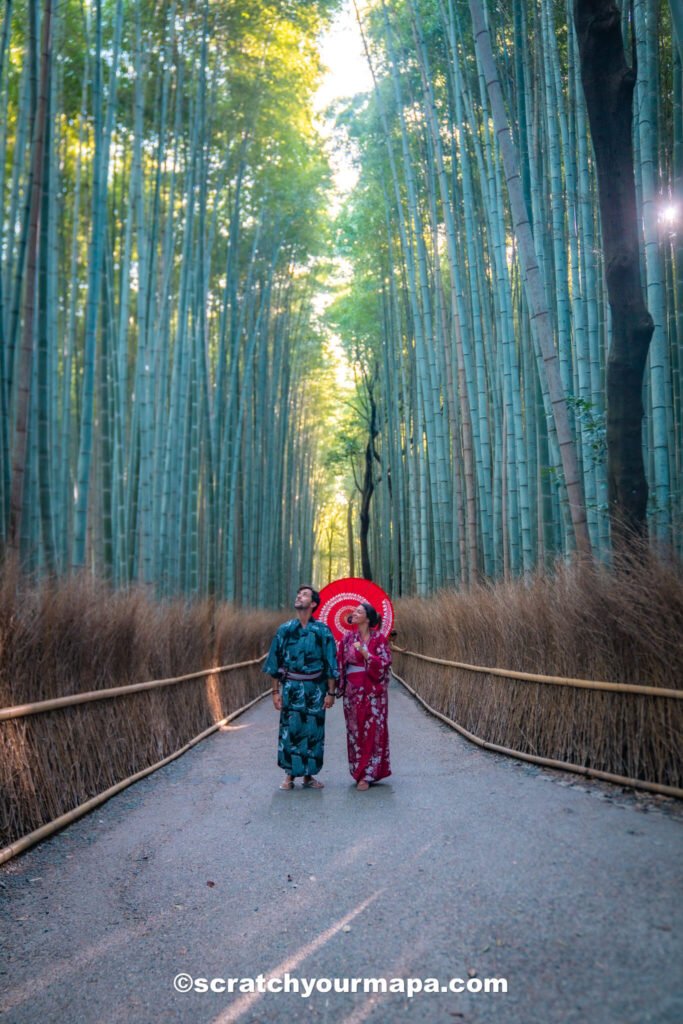
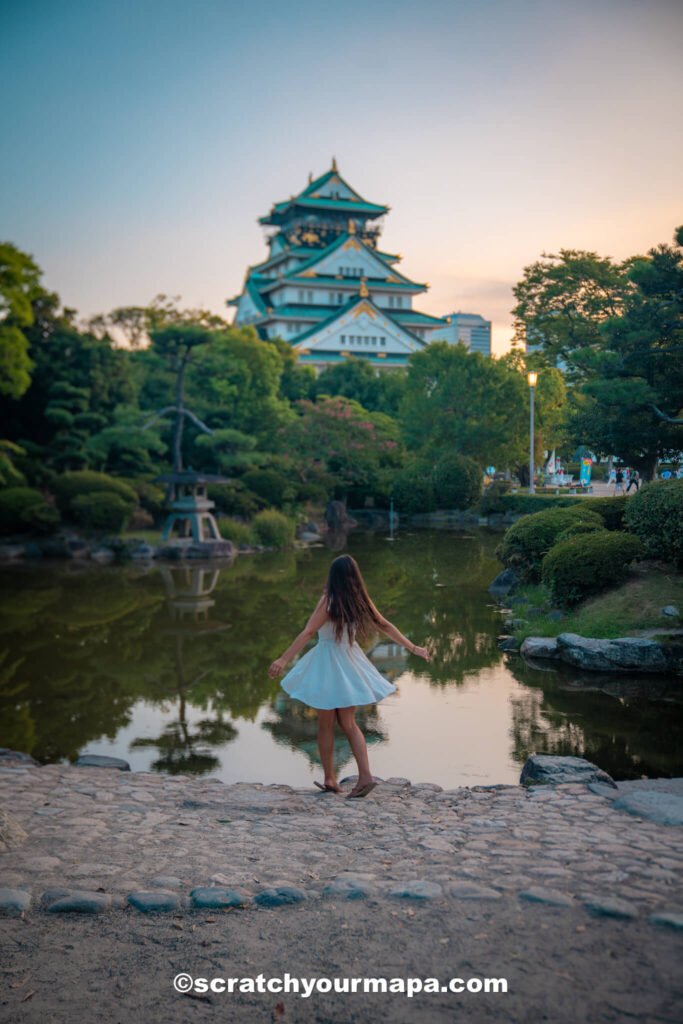
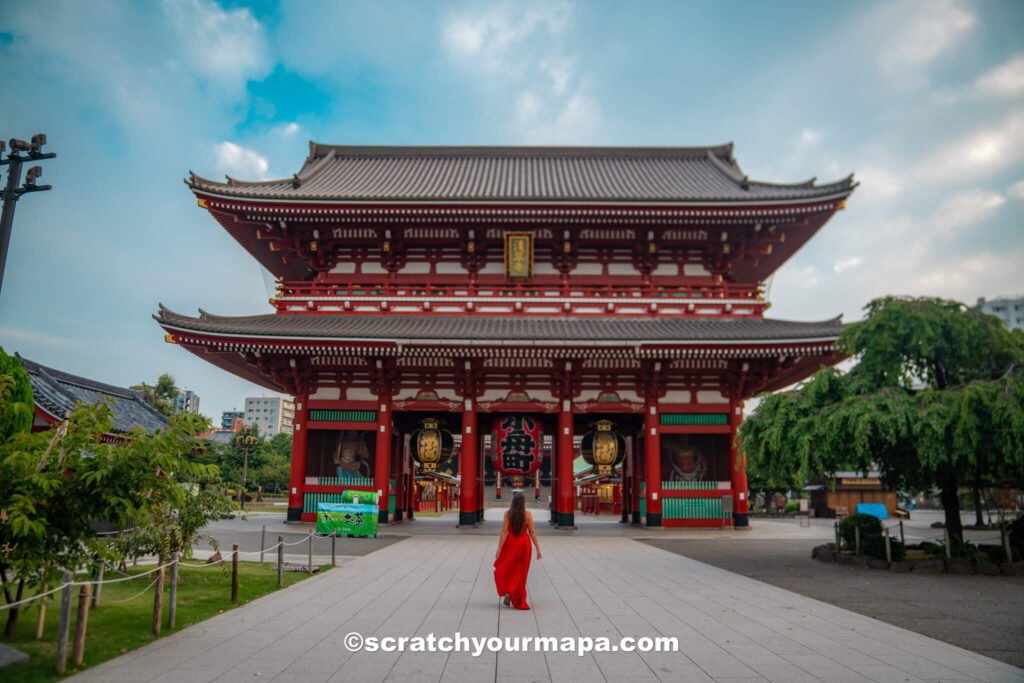
💡 For a first trip, combining Tokyo with Kyoto, Osaka, and a nature destination like Hakone or Nara is a solid, well-balanced itinerary when planning a trip to Japan for the first time.
💆🏻♀️ Bucket List Activities in Japan
Planning a Trip to Japan: Enjoying Local Food & Drinks
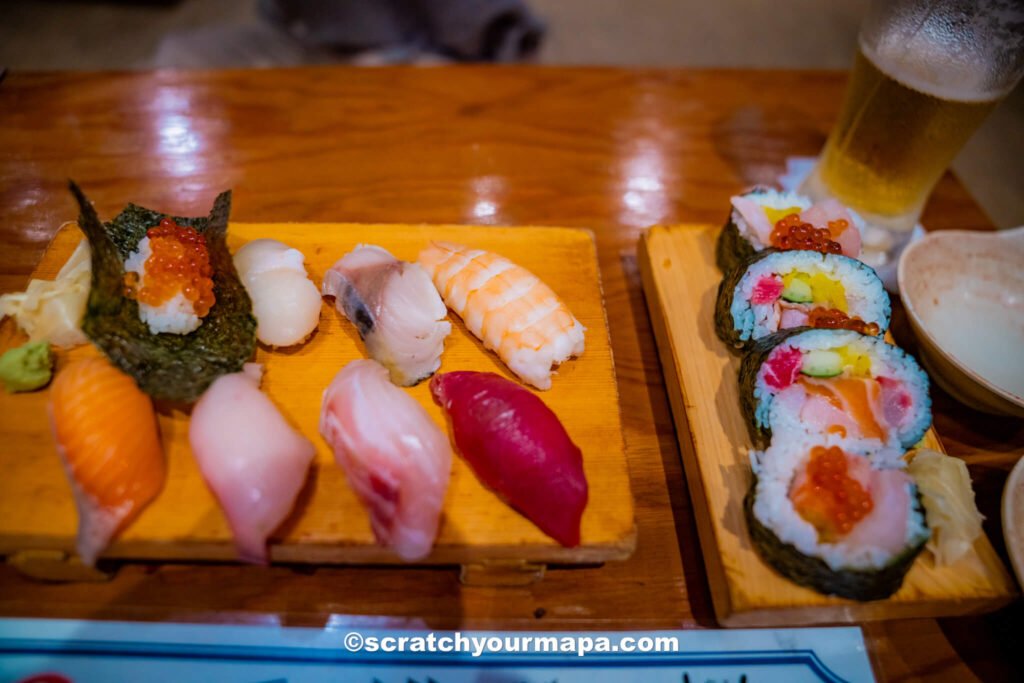
Food is one of the absolute highlights of visiting Japan! From fresh sushi and steaming bowls of ramen to bustling izakayas and peaceful tea ceremony experiences, eating our way through this country was genuinely one of our favorite parts of the trip.
No matter what region you’re in, you’ll find distinct specialties, subtle and bold flavors, and meals that feel like an actual form of art. Japan has more Michelin-starred restaurants than any other country in the world, and some of the best meals we had were from a tiny counter with six seats and no English menu.
Beyond incredible restaurants, Japan is also famous for its convenience store culture (yes, really) and its cafe scene, which is truly one of a kind. Fair warning though, most cafes in Japan do not allow you to work there, so don’t count on it as a digital nomad destination. The cafe culture is also a whole experience in itself, from cat cafes and owl cafes to maid cafes and beyond. It is worth seeing, but definitely comes with its own set of quirks that are worth knowing about before you go!
🍱 Popular Foods & Food Experiences in Japan
Here are some of our favorites for you to try:
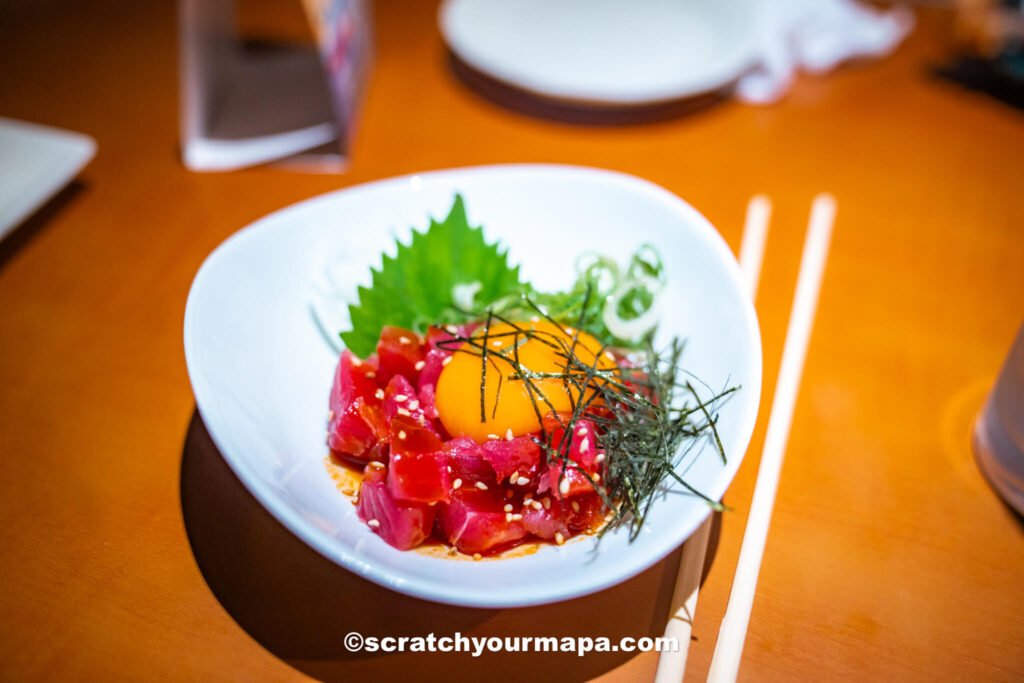
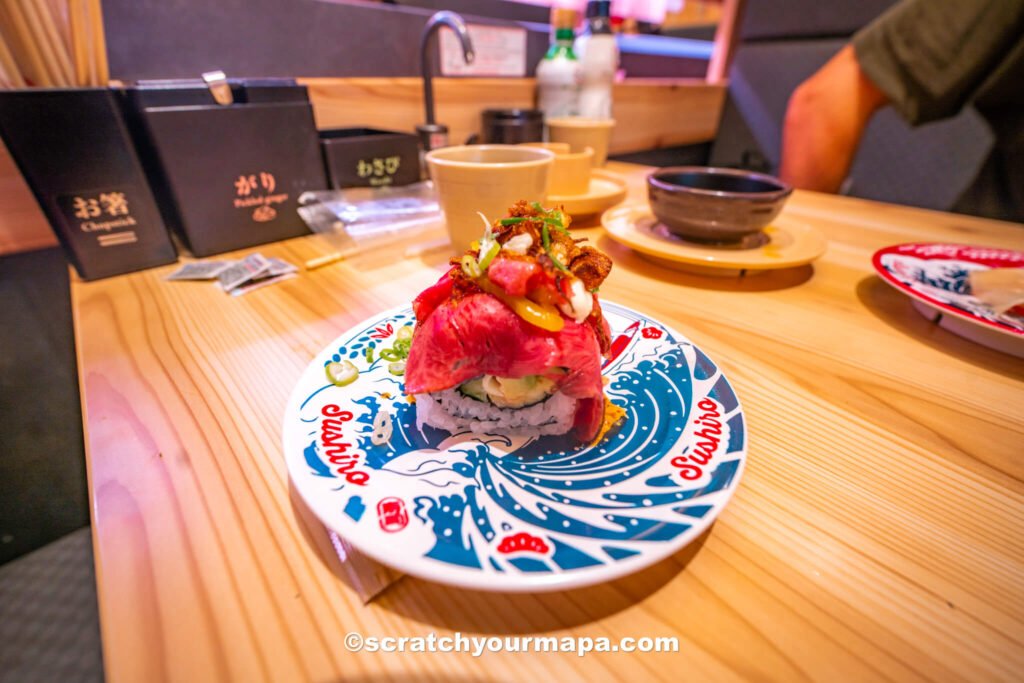
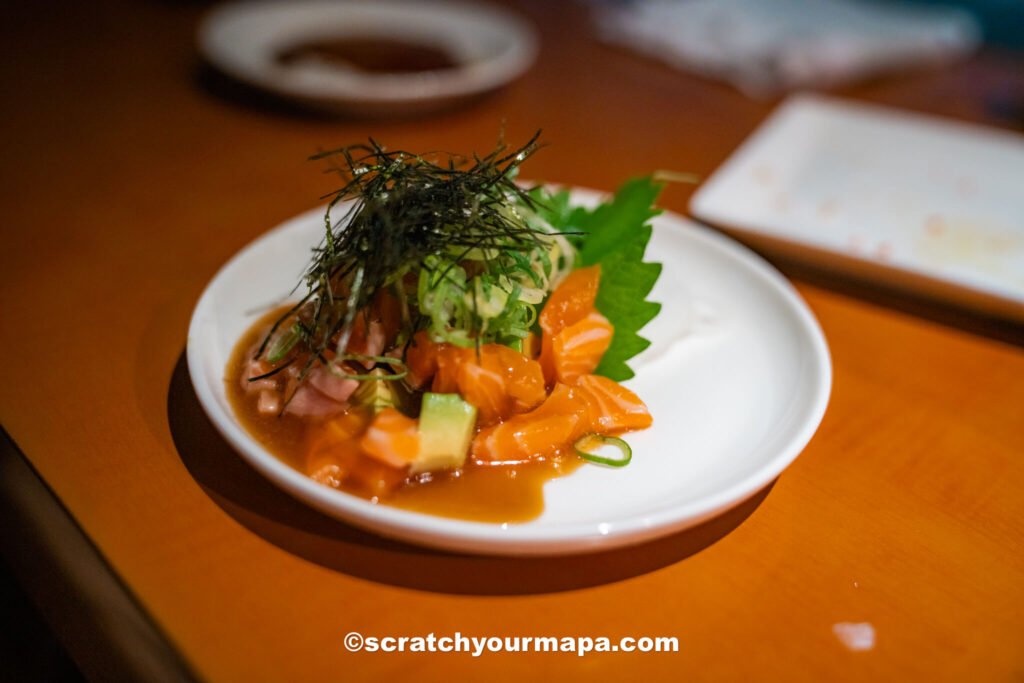
Also, don’t miss out on:
If you love trying local cuisine when you travel, planning a trip to Japan for the first time will absolutely not disappoint! We’ll have several articles coming up about Japanese food and culinary experiences to add to your bucket list.

Planning a Trip to Japan: Getting Around
You’re probably ready to start making your itinerary, but when planning a trip to Japan for the first time it’s important to first decide how you’re going to move around the country.
Japan is extremely advanced when it comes to transportation, and it’s one of the countries that doesn’t always require a car.
Here are the different options to travel around Japan:
The IC card system (like Suica or Pasmo) makes getting around by train and bus incredibly easy – you can use it across most of the country and even pay at convenience stores. We’d highly recommend getting one as soon as you land.
Want to compare all of the options? We have a full Japan transportation guide that will cover the pros and cons of each one, prices, tips for the JR Pass, and everything you need to move around smoothly.
Planning a Trip to Japan: Safety
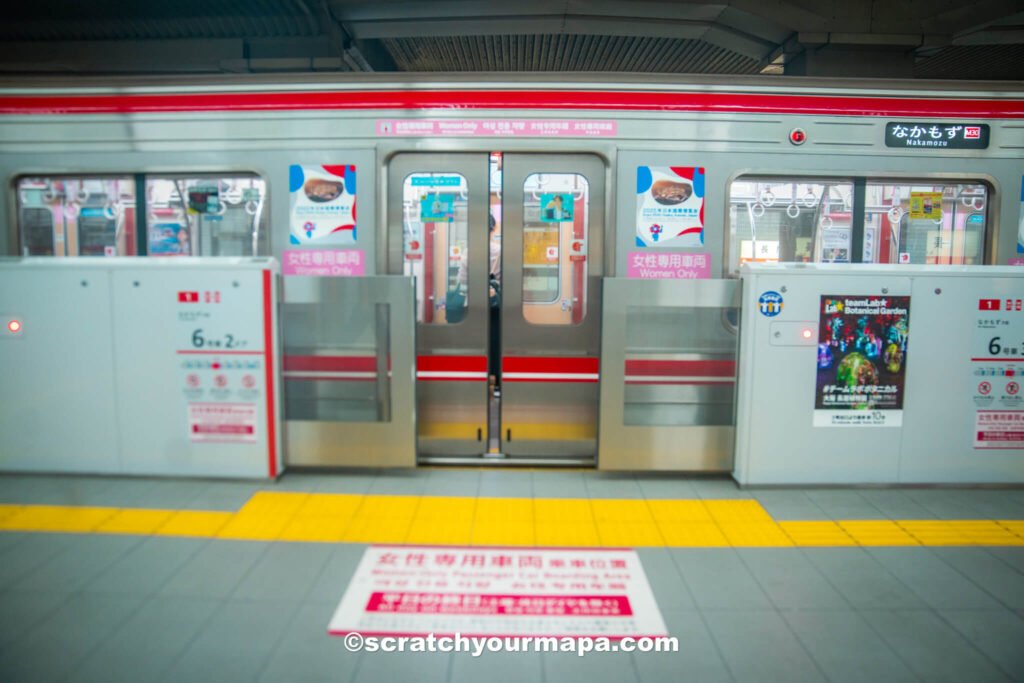
One of the best parts of traveling in Japan is just how safe it feels. Crime rates are among the lowest in the world, people are respectful and trustworthy, and the general culture values order and consideration for others. It truly is a country where you can relax as a tourist, whether you want to walk around alone at night or are a solo female traveler exploring on your own.
Japan is consistently ranked as one of the safest countries in the world to visit, and it shows in day-to-day life. Lost items regularly get turned in. Streets are clean. People queue patiently. It’s one of those places where you feel a genuine sense of ease that’s hard to describe until you’ve experienced it.
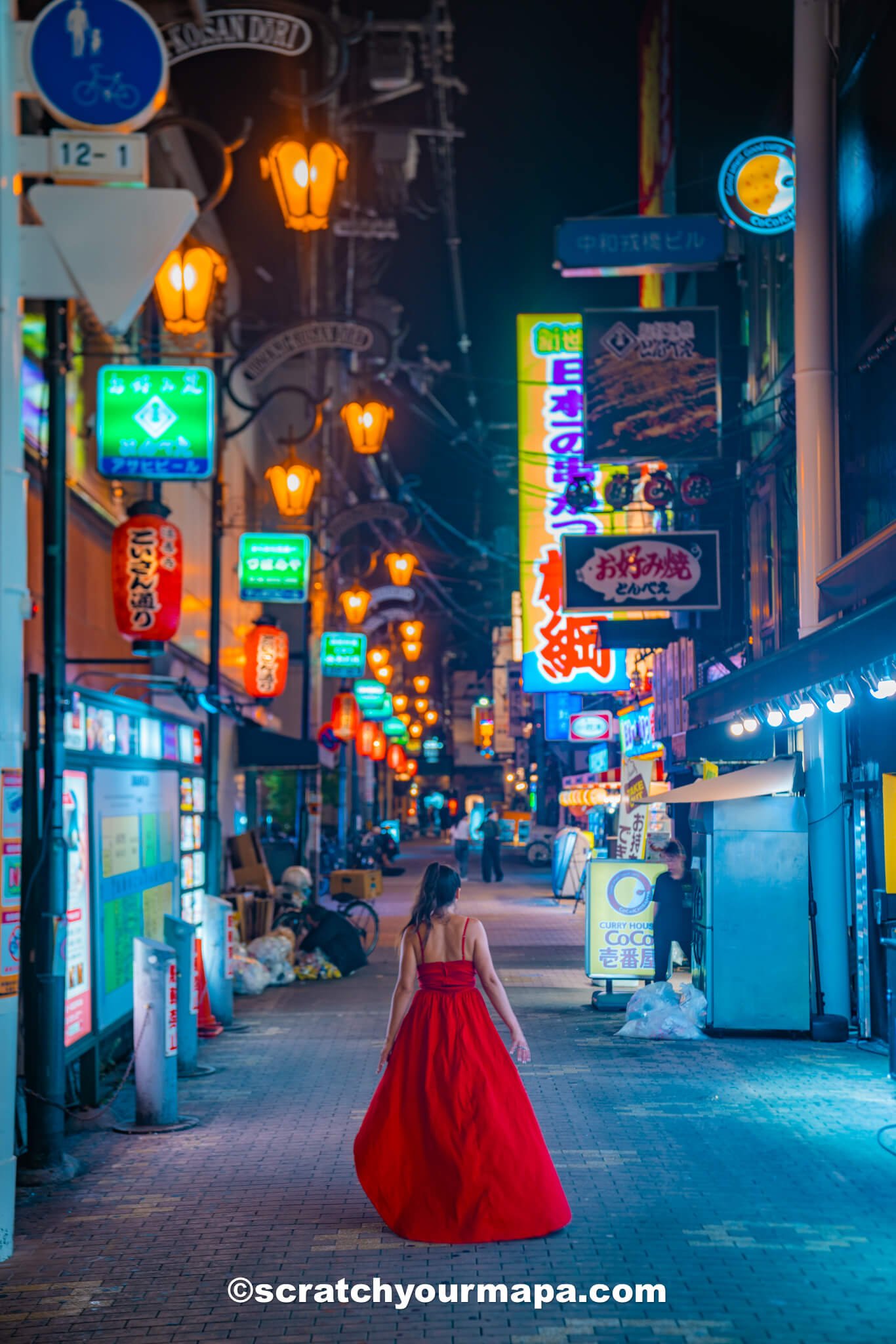
💡 Please remember to respect the rules in Japan! Keep your voice down, wait in lines, and bow to show gratitude.
Other Things to Know When Planning a Trip to Japan
You have almost everything you need to know for planning a trip to Japan for the first time! But don’t go just yet – here are a few final things to keep in mind.
☀️ Weather in Japan
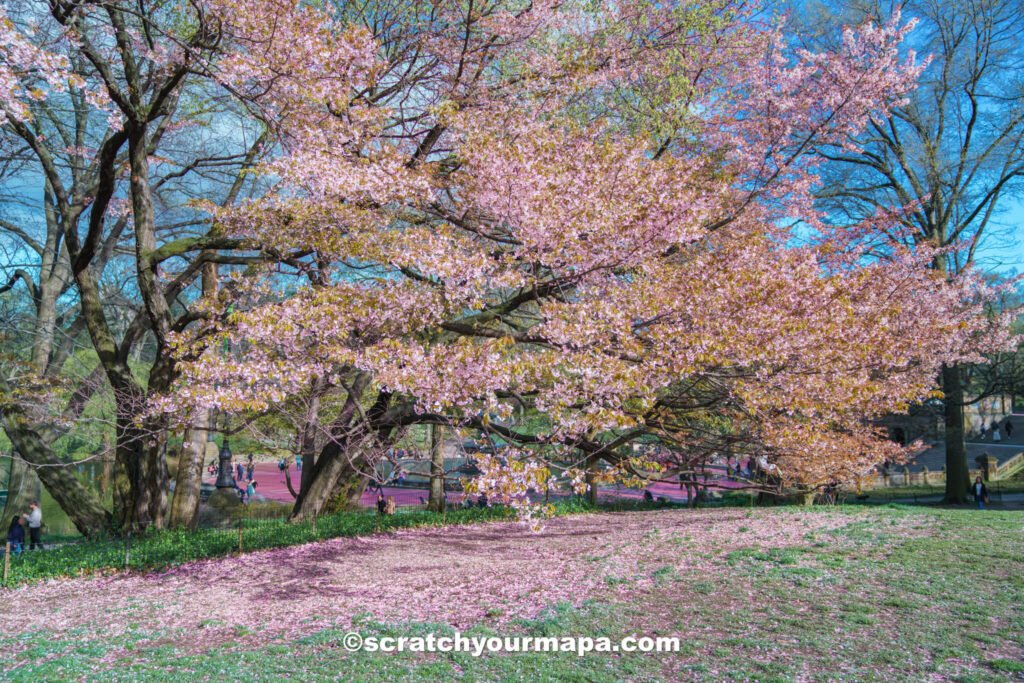
Japan experiences four distinct seasons across most of the country. Summers are hot and humid (with a rainy season in June and July). Winters vary greatly by region – mild in Tokyo and Kyoto, but very cold and snowy in Hokkaido and the mountain areas. Autumn brings cool, crisp weather and stunning foliage, while spring brings mild temperatures and the iconic cherry blossoms.
📆 The Best Time to Visit Japan
There is no perfect time to visit Japan, but there are definitely better and worse times depending on what you are looking for. Spring is famous for cherry blossoms, autumn is stunning with fall foliage, and winter offers world-class skiing and illumination festivals that are genuinely underrated.
We personally visited in summer, and while the lantern festivals were incredible, we have to be honest: the heat and humidity were brutal and it is not a time we would recommend for most people. If we were to do it again, we would go in spring for the cherry blossoms or autumn for the foliage and cooler temperatures.
Coming soon is our guide about the best time to visit Japan. We’ll go over everything you need to know for choosing the right time of year, comparing crowds, weather, prices, and special seasonal events.
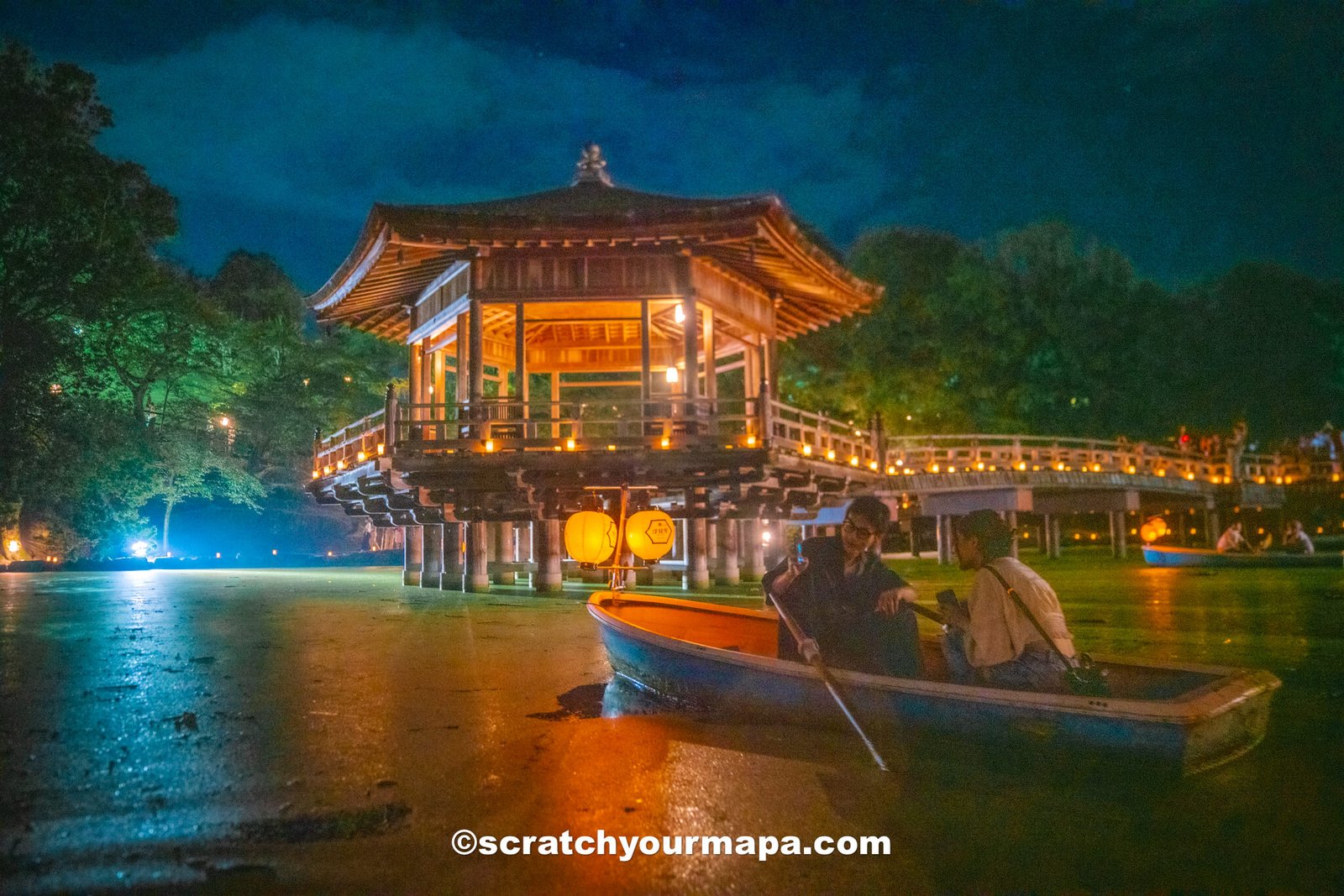
Nara Lantern Festival: A Complete Guide to Japan’s Magical Celebration
Visiting Japan in summer? Don’t miss the iconic lantern festival in Nara that happens every August!
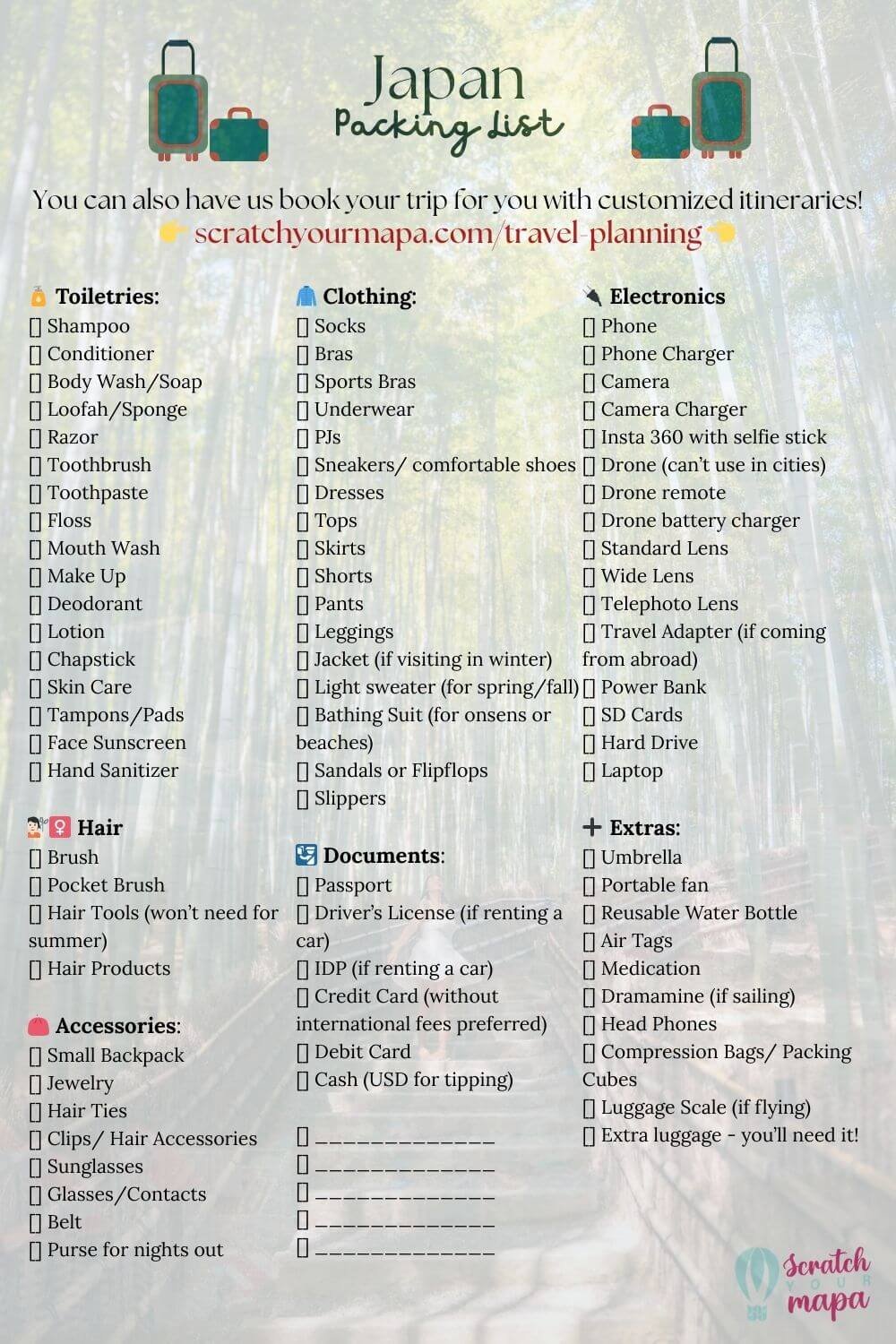
🧳 Packing for Japan
Ready to pack your bags? Don’t miss out on our free packing list you can download!
A few Japan-specific things to keep in mind when packing:
⏳ How Many Days We Spent & Recommend in Japan
We spent 3 weeks in Japan and still felt like there was so much more to explore! We’d recommend at least 4-5 days for Tokyo, 3-4 days for Kyoto, 2-3 days for Osaka, and then additional days for day trips or a nature destination like Hakone.
These are the most popular stops for planning a trip to Japan for the first time, but regions like Hokkaido, Hiroshima, and rural Tohoku are absolutely worth adding to a longer trip. Honestly, there is NEVER enough time in Japan – we concluded we’ll need to move there for a year to experience it all.
If you need help building your itinerary, then you can leave the planning to us!

Planning a Trip to Japan: FAQ
Now you pretty much know everything you need for planning a trip to Japan for the first time! But in case you missed anything or still have questions, here are answers to some of the top questions we receive.
What is the easiest way to get to Japan?
The easiest way to get to Japan is by flying. The main international hubs are Tokyo (Narita and Haneda airports) and Osaka (Kansai International Airport), with direct connections from cities across the globe. Check out our complete guide on how to get to Japan for a full breakdown of all your options.
Do you need a visa to go to Japan?
Many nationalities can enter Japan visa-free for short tourist stays, including travelers from the US, UK, Canada, Australia, and much of Europe. Requirements vary by passport, so always confirm before planning a trip to Japan for the first time. Check our complete Japan visa guide for more details.
What vaccines are required for travel to Japan?
There are no mandatory vaccines required for most travelers visiting Japan. We recommend being up to date on routine vaccinations before your trip and checking the official health guidelines for your home country prior to departure.
What language is mostly spoken in Japan?
Japanese is the official language spoken throughout the country. While English signage is common in major train stations and tourist areas, Japanese is the primary language used in daily life everywhere else.
Do they speak English in Japan?
English is not widely spoken outside of major tourist areas. We strongly recommend downloading Google Translate with the offline Japanese pack before you arrive, and copying addresses in Japanese characters when navigating. Locals are always willing to help, even with a language barrier.
How much is $1 US in Japanese Yen?
Exchange rates fluctuate daily, but currently 1 USD is approximately 150 JPY. Always check live exchange rates before your trip for the most accurate conversion, and remember that Japan is still a very cash-heavy country so come prepared.
Is the water in Japan safe to drink?
Yes, tap water in Japan is completely safe to drink and is among the cleanest in the world. We recommend bringing a reusable water bottle rather than purchasing plastic bottles throughout your trip.
What plug do I need for Japan?
Japan uses Type A plugs, the same flat two-prong plugs used in the US and Canada, with 100V and 50/60Hz. Travelers from North America won’t need an adapter, but those coming from Europe or elsewhere should check their device’s voltage range before packing.
Do you tip in Japan?
Tipping is not customary in Japan and can actually be considered rude or confusing in some situations. Instead, show appreciation by being polite, saying “arigato gozaimasu,” and handling all service interactions with respect.
What is the most visited place in Japan?
Tokyo is the most visited destination in Japan and the most common starting point for first-time visitors. Kyoto is a close second and is considered the cultural heart of the country, full of temples, traditional districts, and incredible food.
What are the top things to do in Japan?
Don’t miss the temples of Kyoto, the energy of Tokyo, soaking in an onsen, riding the Shinkansen bullet train, and eating absolutely everything you can. Japan rewards curiosity, so wander off the beaten path whenever you get the chance.
What is Japan’s national food?
Sushi is arguably Japan’s most iconic dish, but ramen, tempura, and onigiri are equally beloved staples. Every region has its own specialties, so the real answer is that Japan doesn’t have just one national food and that is part of what makes eating your way through the country so exciting.
Is Japan easy to travel around?
Japan has one of the best public transportation systems in the world. The Shinkansen bullet train connects major cities quickly and efficiently, and city metro systems are reliable and well-signposted. It can feel overwhelming at first, but once you get the hang of it, getting around is surprisingly straightforward.
Is it safe to visit Japan right now?
Japan is one of the safest countries in the world. Crime rates are extremely low, locals are respectful and helpful, and the overall environment is very welcoming for tourists. It is honestly one of the safest destinations we have ever visited.
What is the best time to visit Japan?
Spring for cherry blossoms and autumn for fall foliage are the two most popular and beloved times to visit. We visited in summer and while the lantern festivals were incredible, the heat and humidity were brutal. We would steer most travelers away from July and August unless you have a specific reason to go then.
What month is cherry blossom season in Japan?
Cherry blossom season in Japan typically runs from late March to early April, though it varies slightly by region and year. Tokyo and Kyoto usually peak around late March, while northern regions like Hokkaido bloom later into May.
How many days is enough for Japan?
We spent 3 weeks in Japan and still felt like there was more to see! For a first trip, we recommend a minimum of 10 to 14 days to cover Tokyo, Kyoto, and Osaka comfortably, with a few extra days for day trips or additional destinations.
Is it worth visiting Japan?
For the right traveler, Japan is absolutely worth it and may even become your favorite country in the world. That said, it is not for everyone. It is vibrant but quiet, stunning but crowded, and full of rules and etiquette that take some adjustment. Know what to expect before you go, and you will have an incredible time.
Planning a Trip to Japan: Final Tips & What’s Next
Planning a trip to Japan for the first time might feel overwhelming at first, but once you understand the basics, it’s actually one of the most rewarding and easy-to-navigate countries in the world to explore. Between the exceptional public transportation, extraordinary food scene, rich cultural heritage, and stunning seasonal landscapes, there is an enormous amount packed into this one destination.
Whether you’re wandering the temple grounds of Kyoto, slurping ramen in a tiny Tokyo shop, watching the sun rise over Mount Fuji, or soaking in an onsen with mountain views, Japan offers a depth of experience that’s genuinely unlike anywhere else on earth.
If you’re still on the fence, take this as your sign. Japan is absolutely worth visiting, and once you go, you’ll probably already be planning your return before you even leave. (We certainly are!)
Want to save the article for later? Pin it!
👀 What’s Next?
Now that you all of the basic for planning a trip to Japan, you might want to know about specific areas of the country.
Here are our other Japan guides:
🗼 30 things to do in Osaka, Japan
✈️ How to get to Osaka, Japan
🚌 How to get to Nara, Japan
🏮 Nara Lantern Festival
🦌 What to do in Nara in one day
📖 Nara travel guide

So are excited to start planning your trip to Japan? We hope this guide helped you understand more about what it’s like to visit.
Want to learn more? We have a few other Japan Travel Guides for you to explore, and a ton of other coming up. Make sure to subscribe to our newsletter to stay up to date with our most recent articles, and for special discounts on our shop.
Ready to book your trip to Japan, but don’t want the hassle of doing all of the work? Well, we’re here to help! Scratch Your Mapa offers travel planning packages including customized itineraries, hand-picked hotels, and personalized activities.

Here are some other articles you’ll love: