
The Best Time to Visit Japan for Stunning Colors, Great Weather, & Incredible Festivals
Looking for the best time to visit Japan? Well, it depends entirely on what kind of trip you are planning, but that’s why we’re here to help. We visited Japan in summer, and believe our experience and feelings towards the country are very different than those that visited in other seasons.
From cherry blossoms and lantern festivals to fall foliage and snow monkeys, Japan offers one of the most unique seasonal travel experiences in the entire world. With four very distinct seasons, timing your visit to Japan can make a huge difference in your experience. Weather, crowds, and prices all shift significantly throughout the year, and each season brings its own unique landscapes, festivals, and experiences that are worth planning around.
In this guide we are going to break down what to expect each season and even each month, as well as when to go for specific activities, and how to choose the right time based on your travel style. This way you can properly decide when is the best time to visit Japan for you!
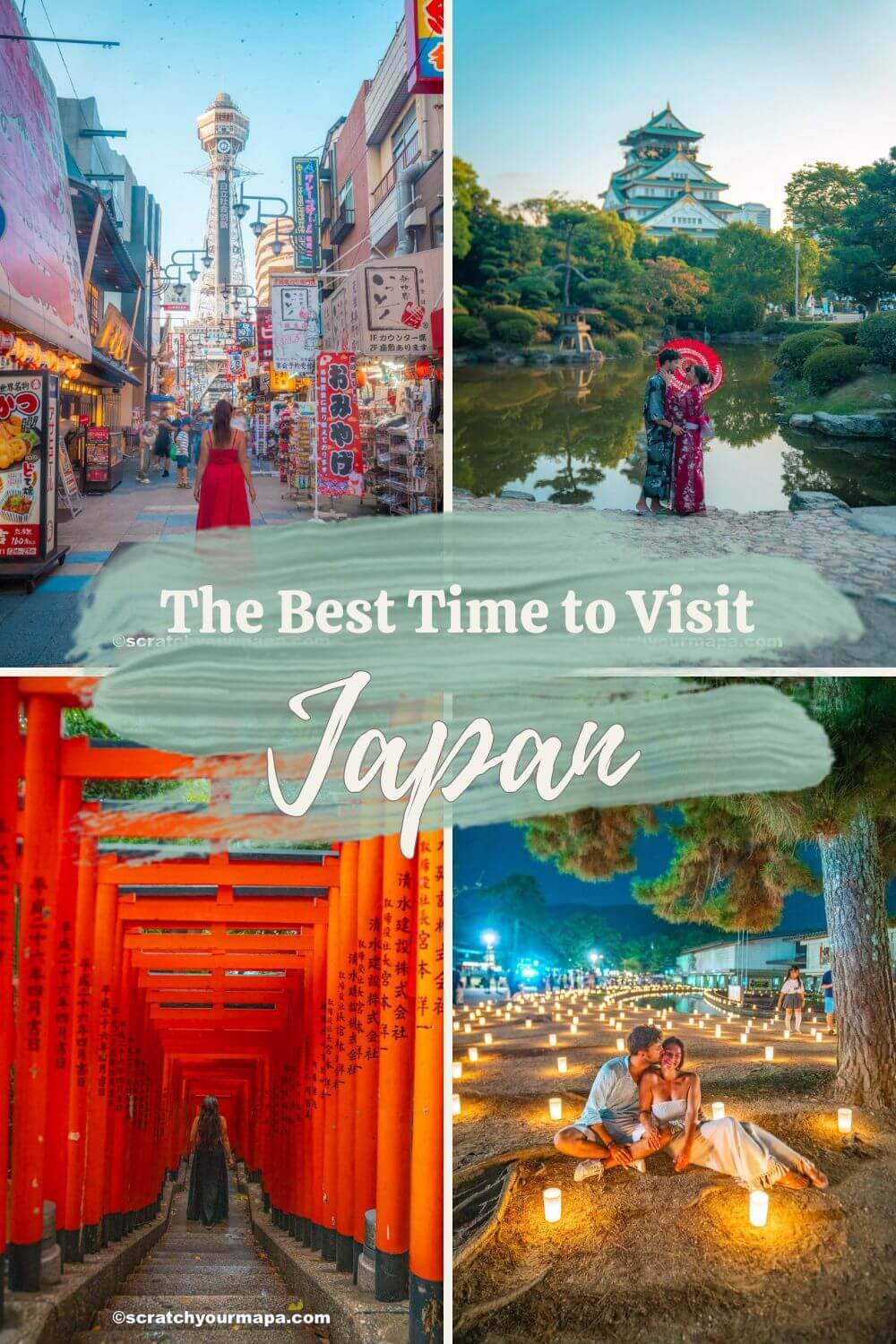
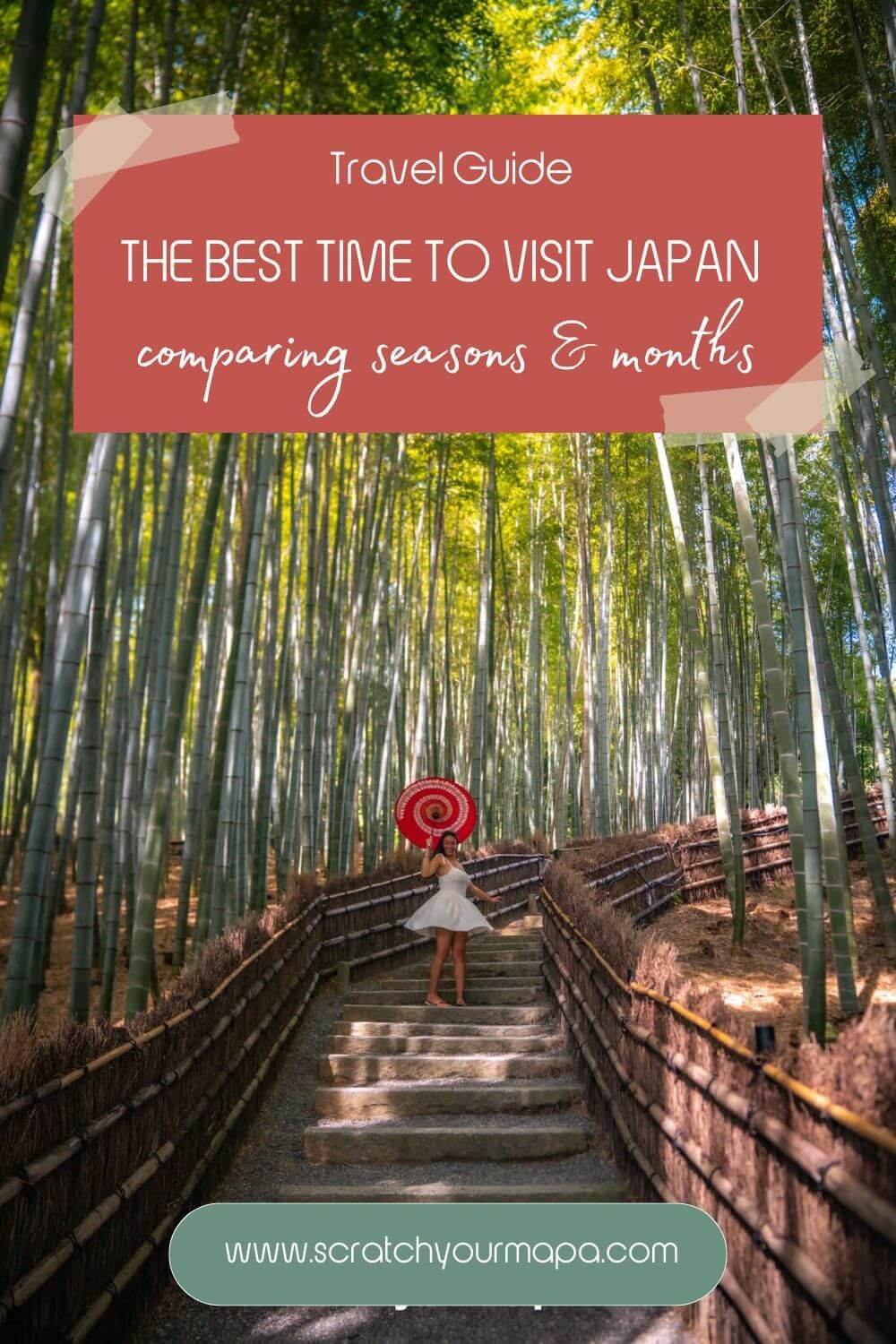
Want to save the article for later? Pin it!
*Please note that this blog post may contain some affiliate links, which we make a small profit on, at zero cost to you. Links are only used on products & services that we’ve used and believe in, to give you the best buying experience. Purchasing from these links helps us to continue providing free travel guides for you- so thank you for your support!
Our Travel Planning Recommendations
The Best Time to Visit Japan: A Brief Intro
Before breaking down the best time to visit Japan by season and month, let’s first look at the country’s weather patterns and how long you should plan to stay.
🌦 Weather in Japan
Japan has four very distinct seasons, each offering a completely different travel experience. Unlike tropical destinations, the weather here changes dramatically throughout the year, affecting landscapes, activities, and even food culture.
❄️ Winter (December to February) is cold and snowy, especially in the north, with dramatic snow-covered landscapes and top-rated ski resorts in Hokkaido and the Japanese Alps.
🌸 Spring (March to May) is mild in temperature and absolutely magical, famous worldwide for cherry blossoms and ush greenery.
☀️ Summer (June to August) is hot and humid. It’s pretty brutal, and the congested cities and walking culture certainly make it even more intense
🍁 Autumn (September to November) is crisp, dry, and incredibly beautiful, with vibrant red and orange maple leaves transforming every temple, mountain, and garden into a piece of art.

We visited Japan in summer, and nothing could have prepared us with surviving Japan’s heat. The high temperatures and humidity were genuinely brutal. No, seriously – if you’re planning a trip to Japan for the first-time, it’s just too much (in our opinion).
For visiting the islands like Okinawa it would have been a different story, but we visited Tokyo, Osaka, & Kyoto (the top destinations in the country), and they were really hard to enjoy during the daytime.
If we were to do it again, spring or autumn would be our first choice without a doubt.
⏳ How Many Days Do You Need in Japan?
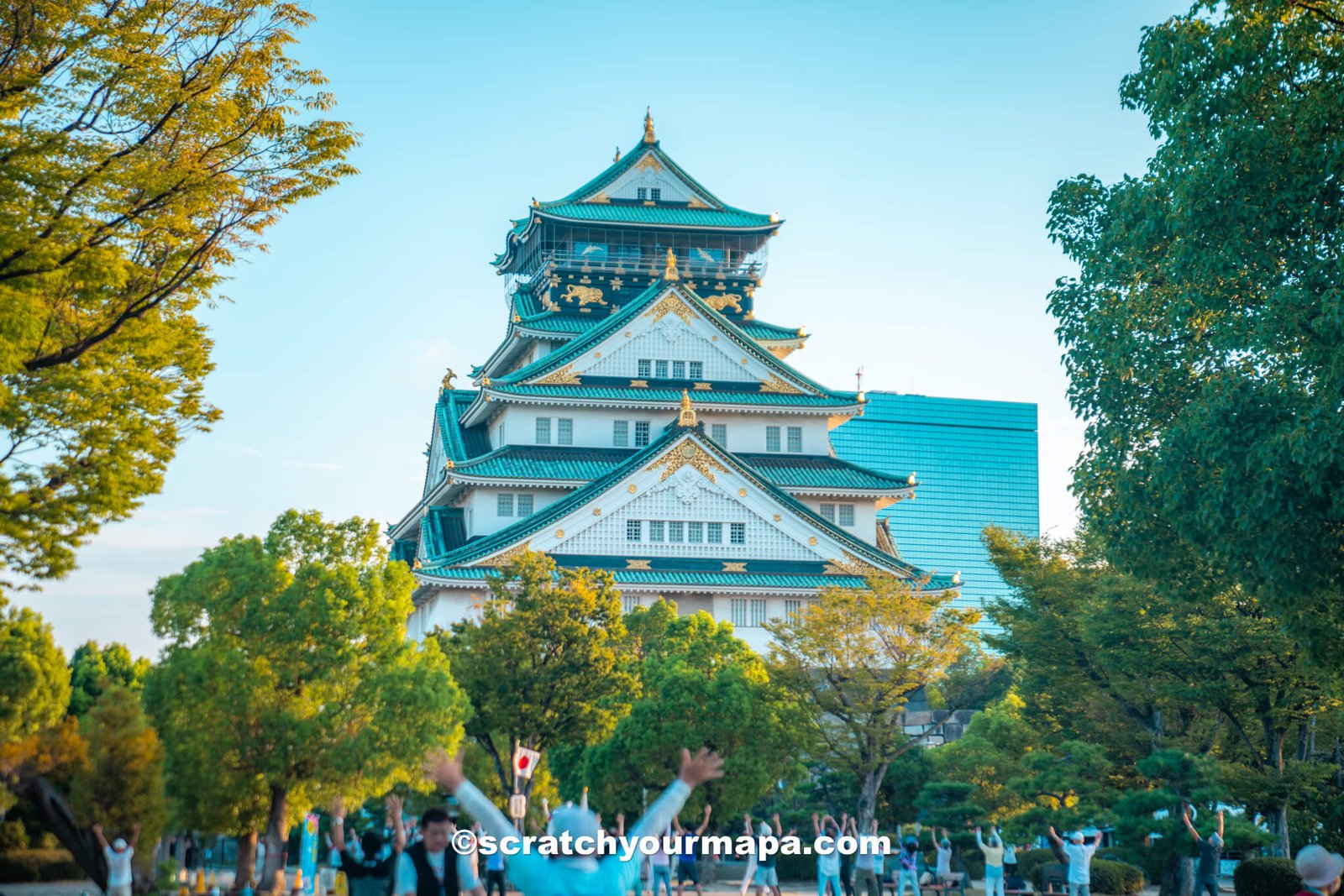
Japan is a large and incredibly diverse country, and it’s honestly a country we highly underestimated. A 10 to 14 day trip is ideal for first-time visitors covering Tokyo, Kyoto, Osaka, and one or two additional destinations, but that is hardly scratching the surface!
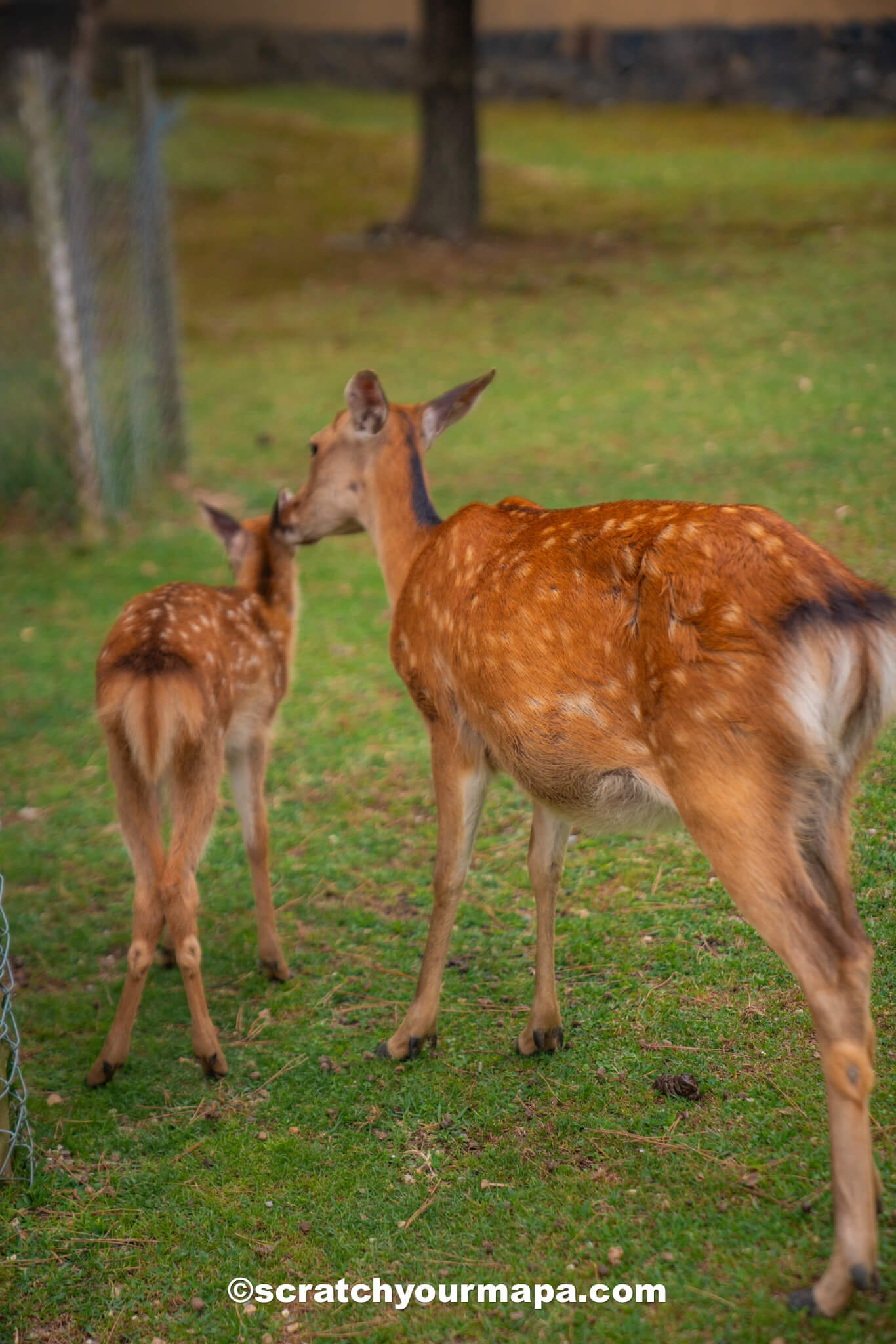
If you want to explore more deeply, including Hokkaido, Hiroshima, or the Japanese Alps, two to three weeks is more realistic. We could have easily spent a few months with all there is to do and see across the country.
📆 When is the Best Time to Visit Japan?
There is no single bad time to visit Japan, but the best time to visit Japan depends on what you want to experience. Whether that is cherry blossoms, summer festivals, fall colors, snow monkeys, or fewer crowds and lower prices, every season has something special to offer.
Below we will break down each season so you can decide which time fits your travel style best.
Upgrade Your Inspo
Get the best travel tips, tricks, and hidden gems sent directly to your inbox. You’ll become a better traveler, week after week.
Upgrade Your Inspo
Get the best travel tips, tricks, and hidden gems sent directly to your inbox. You’ll become a better traveler, week after week.
The Best Time to Visit Japan: Seasonal & Monthly Breakdown
Now that you know what to expect weather-wise and how long to stay, let’s explore what each season looks like in Japan.
💐 Spring in Japan (March to May)
Spring is often considered the best time to visit Japan for first-timers, and it’s pretty obvious why. Cherry blossom season is one of the most iconic and photographed natural events in the world, transforming cities, parks, riversides, and temple grounds into breathtaking pink and white landscapes from late March through mid-April.
Temperatures range from around 10 to 20°C (50 to 68°F), making it perfect for sightseeing, hiking, and exploring on foot. The combination of comfortable weather, stunning scenery, and how photogenic places become makes spring an absolutely magical time to be in Japan.
🌸 Cherry Blossoms in Japan
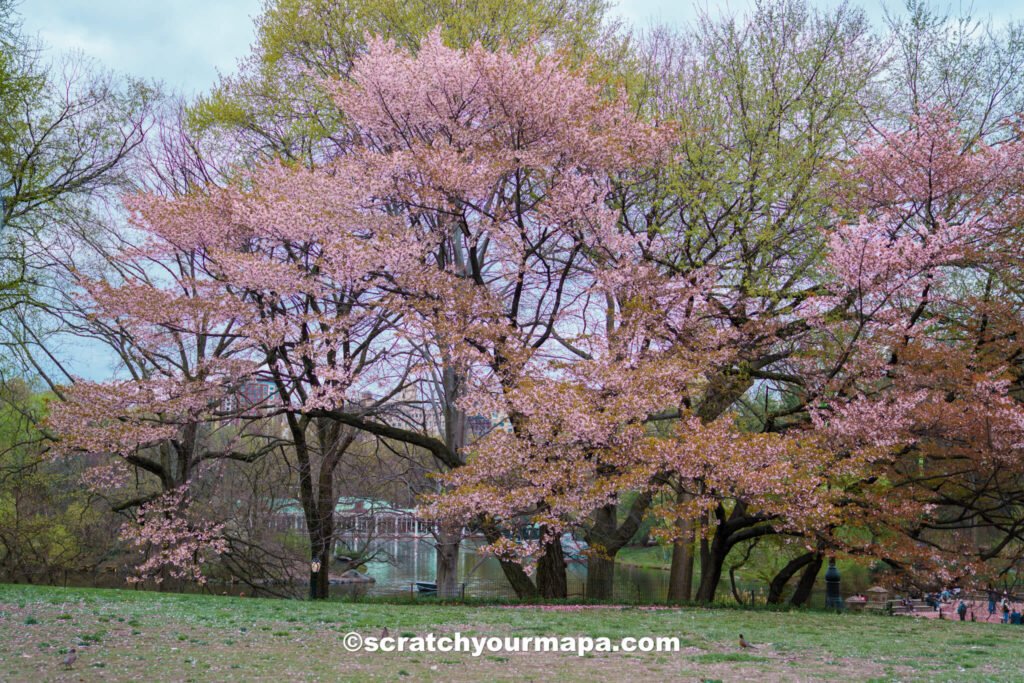
Cherry blossom season in NYC is my favorite, and we’ve also experienced Branch Brook Park, the biggest collections of cherry blossoms in the US. We’re sure that still doesn’t remotely compare to Japan’s spring.
The only big problem with visiting Japan in Spring is the crowds and the cost. Cherry blossom season is peak travel season, and accommodation prices in cities like Tokyo and Kyoto spike significantly.
Book everything as far in advance as possible, especially for the last week of March and the first two weeks of April. The exact bloom dates shift slightly, so we’d recommend giving yourself as much time as possible, and to keep an eye on the forecasts.
🌷 Top Spring Experiences:
☀️ Summer in Japan (June to August)
Summer in Japan is hot, humid, and absolutely buzzing. Temperatures regularly reach 30 to 35°C (86 to 95°F) in major cities, and the humidity makes it feel MUCH hotter. June and early July bring the rainy season (tsuyu), with heavy and frequent rainfall across most of the country. We visited in August, and although it didn’t rain much, the weather was that awful feeling of a storm finishing and the temperature rising back up.
Despite the heat and rain, summer is one of the most culturally rich times to visit Japan. This is the season of matsuri, the traditional Japanese festivals that fill cities and towns with taiko drumming, yukata-clad locals, street food stalls, and spectacular fireworks. The Obon festival in August is one of the most important cultural celebrations of the year, honoring ancestors with dances, lanterns, and ceremonies that are very moving to witness.
🏮 Lantern Festivals in Japan
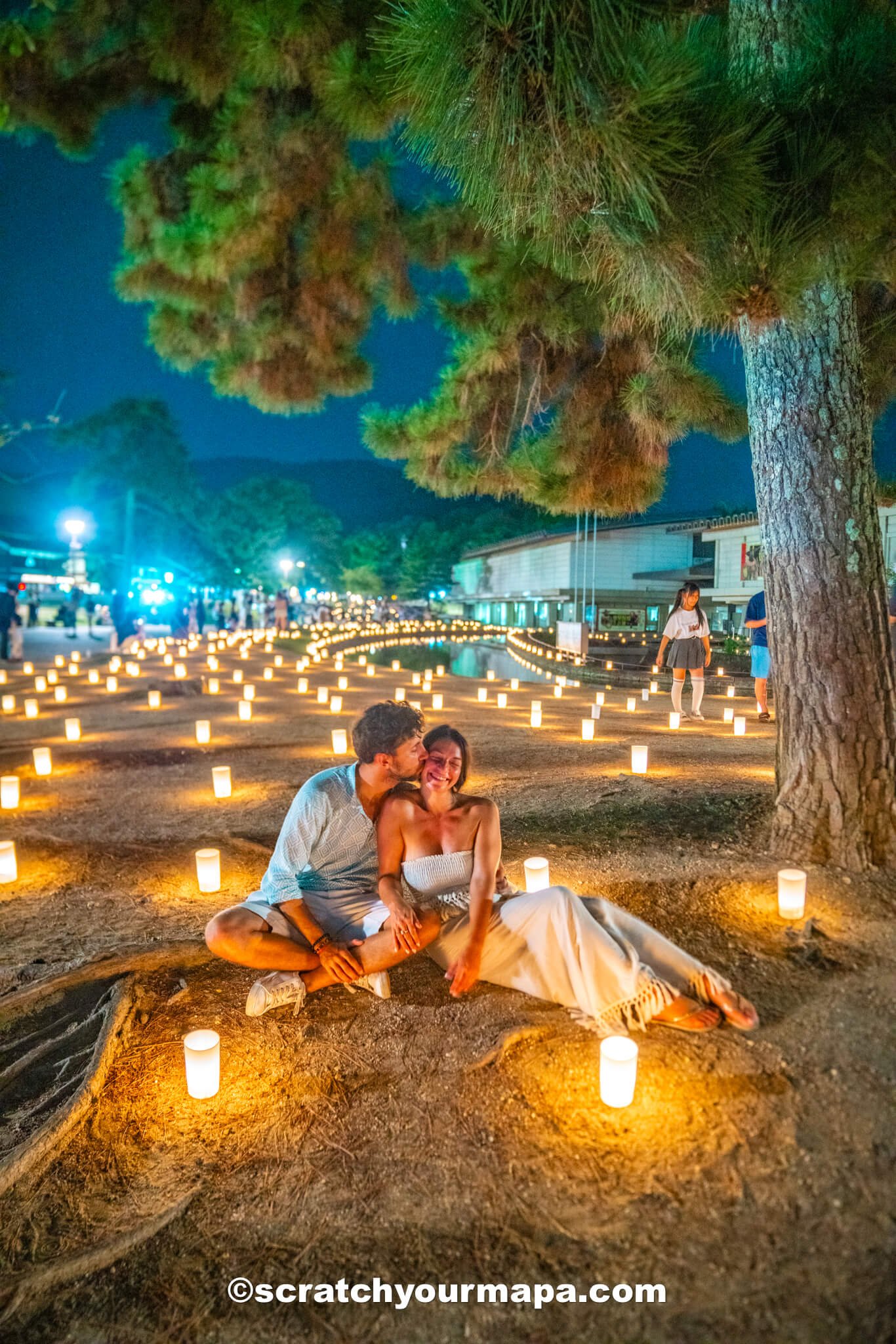
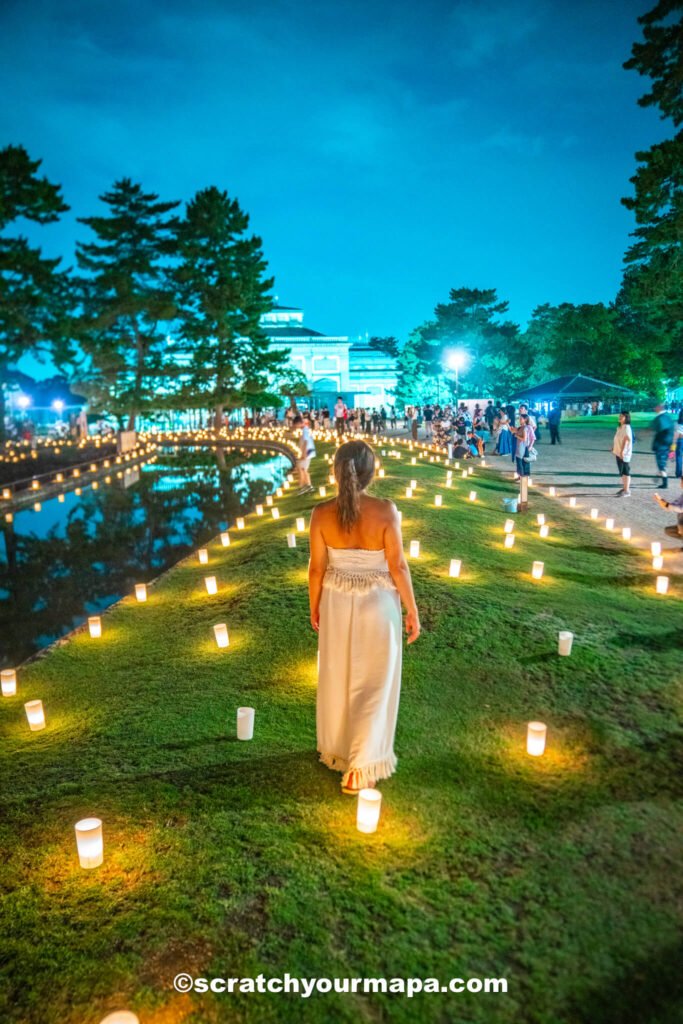
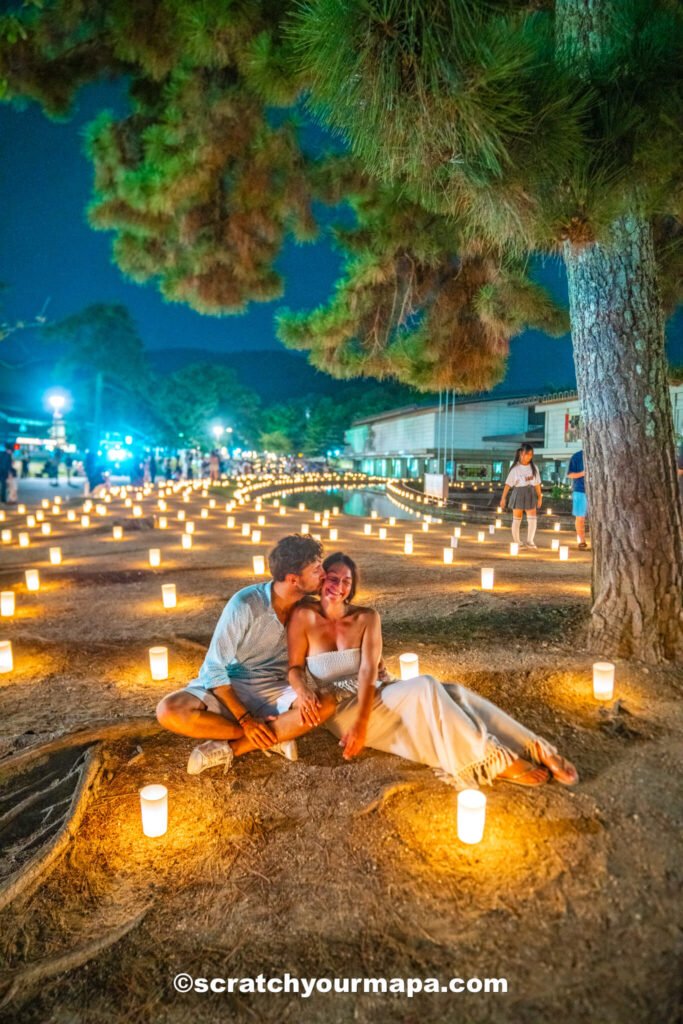
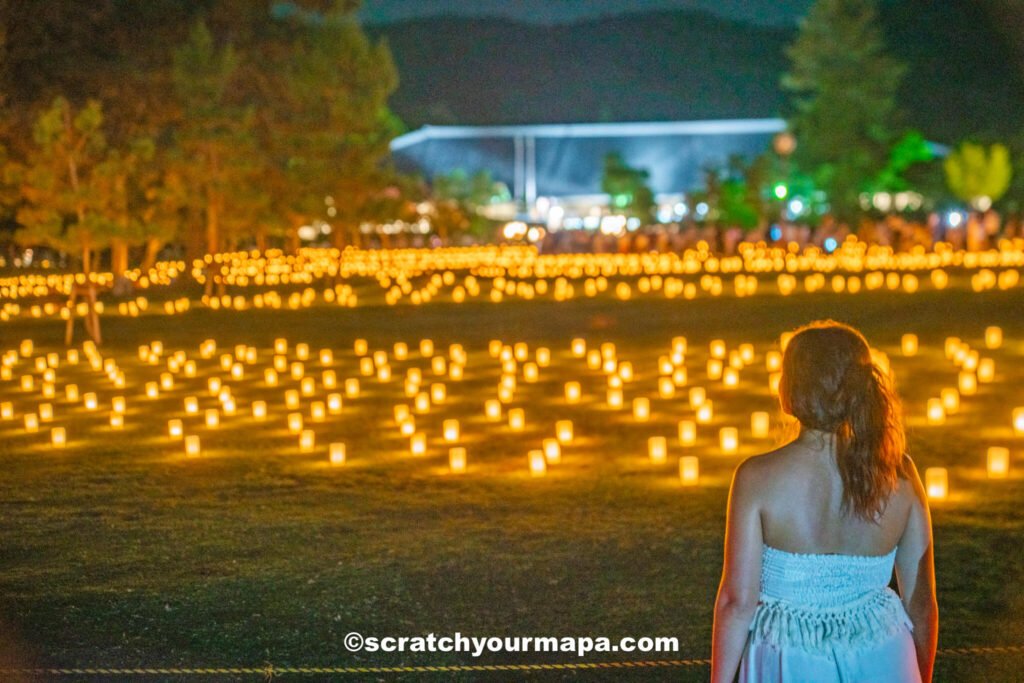
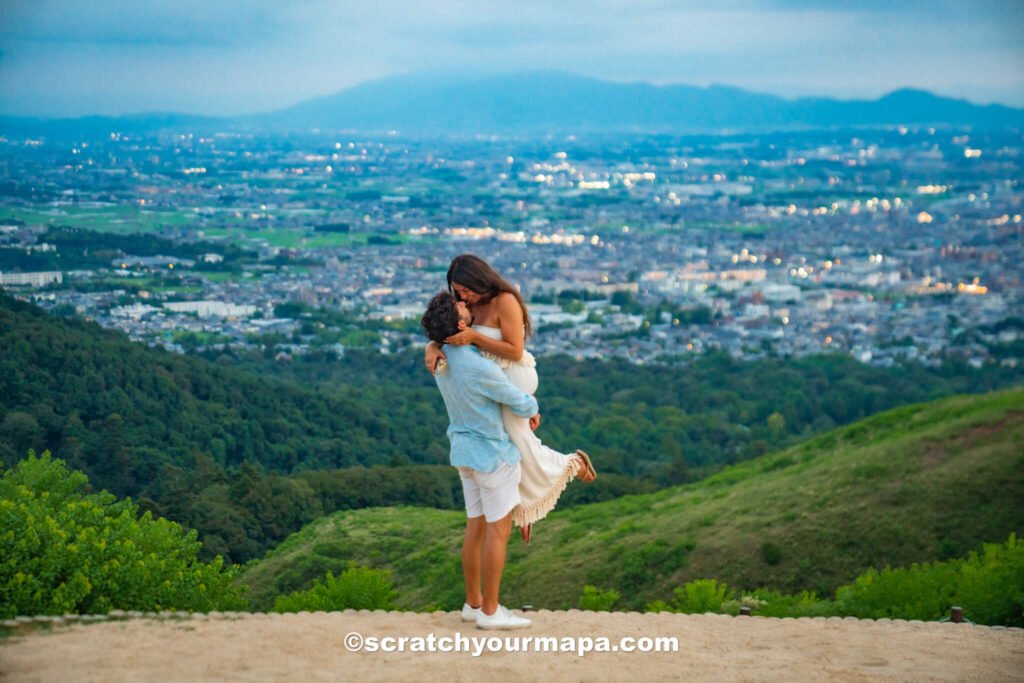
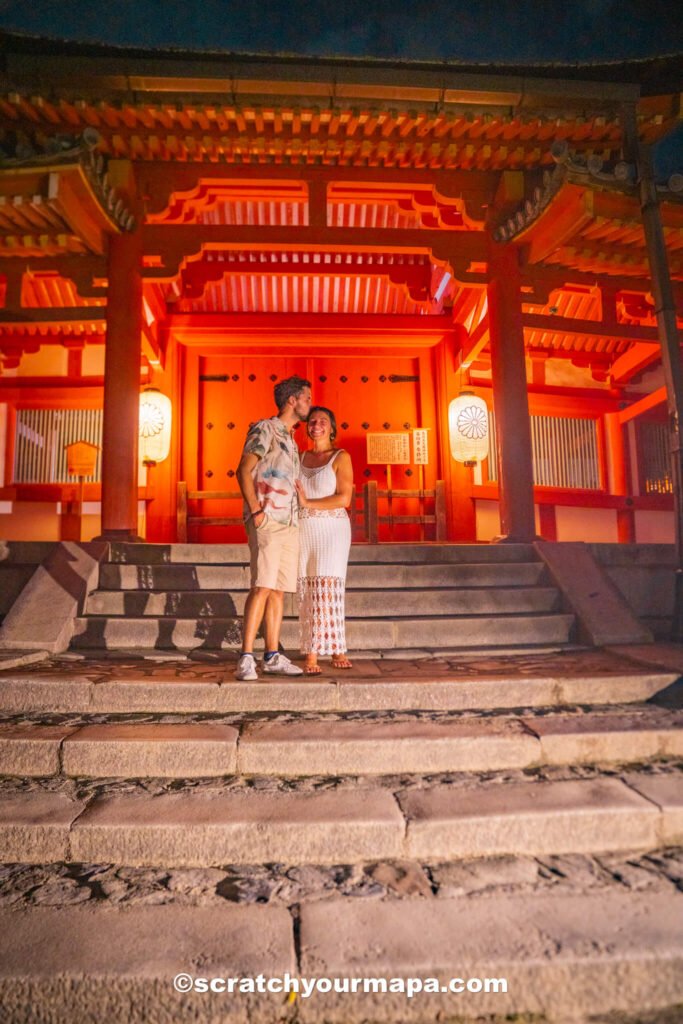
The Nara Lantern Festival in August is one of the most magical events in all of Japan, and one of the main reasons we are glad we visited in summer despite the heat. It’s a few days long, and has thousands of lanterns, food trucks, and lantern boat rides that will make you feel as if you were in. themovei Tangled.
We also attempted to visit the lantern festival in Kyoto, but didn’t do proper research and missed it. We did however make it to the one in Kanazawa, which was also nice.
If you are visiting Japan in August, the lantern festivals are an absolute must.
🌊 Other Perks of Visiting Japan in Summer
While summer on the mainland has the lantern festivals, one of the best reasons to visit Japan in summer is for the islands and beaches.
Destinations like Okinawa are at their best in summer, and Hokkaido offers welcome relief from the heat of the mainland with its cooler temperatures and famous lavender fields.
The weather in these places is ironically not nearly as hot as the cities, and are really great for a mix of relaxation and adventure.
🏖️ Top Summer Experiences:

🍂 Autumn in Japan (September to November)
Autumn is probably the best time to visit Japan overall, and after visiting in summer we completely understand why. After the intense heat, September-November brings temperatures ranging from 10 to 25°C (50 to 77°F), making it ideal for long days of sightseeing, hiking, and photography.
Fall foliage in Japan is breathtaking, and our jaws drop every time we see other people’s pictures during Fall in Japan. From mid-October through November, maple trees explode into vibrant shades of red, orange, and gold, and the contrast against Japan’s ancient temples, wooden shrines, and traditional gardens is truly outstanding.
Crowds are still present during peak foliage weeks, but they are generally more spread out geographically than during cherry blossom season, and prices are often slightly more reasonable than peak spring travel. If you love photography but are overwhelmed by crowds, then this may be the best time to visit Japan for you.
🍂 Top Autumn Experiences:

❄️ Winter in Japan (December to February)
While many people try to do tropical escapes in the winter, Japan will give you plenty of reasons to embrace the season. The north of Japan is one of the most magical winter destinations, and it is one of the most underrated times to visit.
Temperatures vary dramatically by region, from mild winters in Tokyo and Kyoto (around 3 to 10°C) to very cold and deeply snowy conditions in Hokkaido and the Japanese Alps (often well below freezing).
⛷️ Why Japan is Special in Winter
Hokkaido is one of the best places to travel in February, and it’s due to the Sapporo Snow Festival. This is one of the most impressive winter events in Asia, featuring enormous and incredibly detailed snow and ice sculptures that draw visitors from across the globe. Also, the ski resorts of Niseko and Furano offer some of the best skiing anywhere in the world.
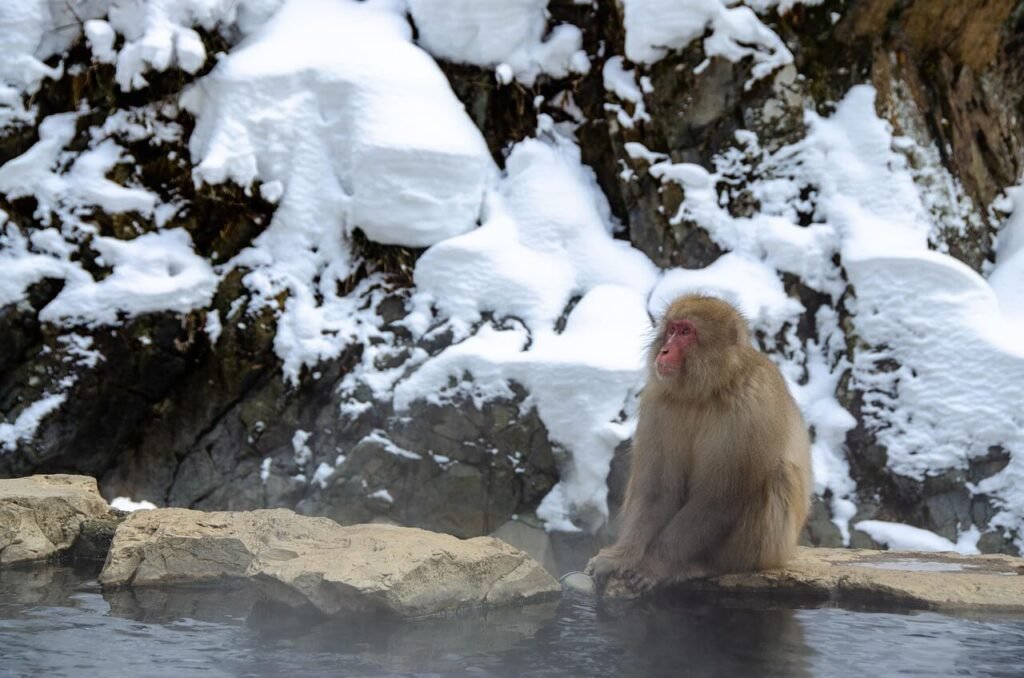
One of the most adorable and unique winter experiences in Japan is watching the snow monkeys (Japanese macaques) soak in natural hot springs at Jigokudani Monkey Park in Nagano. Seeing these incredible animals relaxing in steaming outdoor pools surrounded by deep snow is one of the coolest wildlife moments to add to your bucket list.
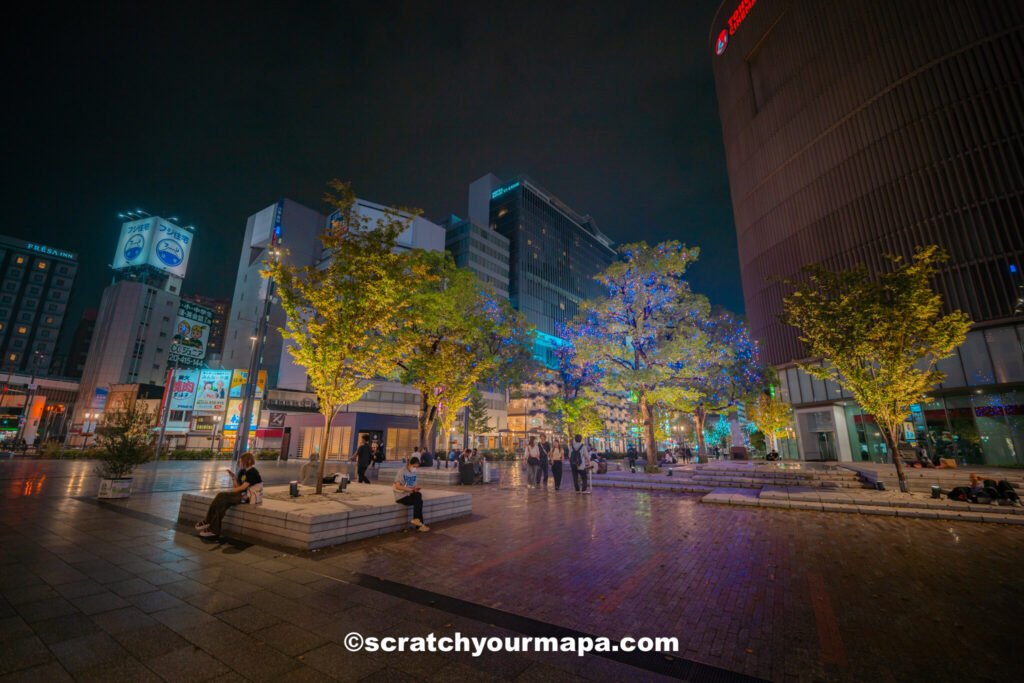
Want more inspiration? There are also Japanese winter illumination displays that light up cities and parks from December through February.
Finally, another plus is that cities are less crowded in winter, and accommodation prices drop outside of the holiday periods.
🏂 Top Winter Experiences:
📆 Comparing Japan by Month
✈️ The Best Time to Visit Japan for Different Travelers
🌸 Cherry blossoms & spring scenery: Late March to mid-April
🏖 Beaches & island hopping: June to August (Okinawa)
🏔 Skiing & winter sports: January to February (Hokkaido & Japanese Alps)
🐒 Snow monkeys: December to March (Nagano)
🎆 Festivals & lanterns: August
🍂 Fall foliage & photography: October to November
🤑 Budget-friendly travel: January to February or June (excluding holidays)
👥 Avoiding crowds: June (rainy season) or January
FAQ About the Best Time to Visit Japan
Now you should have a pretty good idea about the best time to visit Japan! But in case you have any other questions, here are some answers to other questions people have asked us, or that we found across the web.
What is the best time to visit Japan?
Spring and autumn are generally considered the best times to visit Japan. Spring brings the world famous cherry blossoms from late March to mid-April, while autumn delivers stunning fall foliage from October through November. Both seasons offer comfortable temperatures and incredible scenery, though they are also the busiest and most expensive times to travel.
What month is cherry blossom season in Japan?
Cherry blossom season in Japan typically peaks from late March to mid-April, though the exact timing shifts slightly each year depending on weather patterns. Southern regions like Kyushu bloom first, followed by Tokyo and Kyoto, with northern regions and Hokkaido blooming later into May. Always check bloom forecasts closer to your travel date for the most accurate timing.
When is the best time to see fall foliage in Japan?
Fall foliage in Japan peaks from mid-October through November, starting in the north and moving south as the season progresses. Kyoto, Nikko, and the Japanese Alps are among the most stunning destinations for autumn colors. October is one of the best overall months to visit Japan for a combination of great weather and incredible scenery.
When can you see the snow monkeys in Japan?
The snow monkeys at Jigokudani Monkey Park in Nagano are best seen from December through March, when the park is covered in snow and the macaques soak in the natural hot springs to keep warm. This is one of the most extraordinary wildlife experiences Japan has to offer and well worth timing your visit around.
When is the Nara Lantern Festival?
The Nara Lantern Festival takes place in August and is one of the most magical events in all of Japan. Thousands of lanterns are lit around the ancient temples and grounds of Nara, creating a dreamlike atmosphere that is unlike anything else in the country. If you are visiting Japan in summer, it is absolutely not to be missed.
Is summer a good time to visit Japan?
Summer in Japan is hot, humid, and full of incredible cultural events including matsuri festivals, fireworks, and the Obon celebrations. We visited in summer and while the festivals were unforgettable, the heat and humidity were genuinely brutal. We would recommend summer only to those who are comfortable with high temperatures or who specifically want to experience the festival season. Hokkaido is a great summer option for those wanting cooler temperatures.
Is winter a good time to visit Japan?
Winter is one of the most underrated times to visit Japan. Cities are less crowded, prices drop outside of the holiday periods, and the experiences on offer are truly extraordinary. From snow monkeys in Nagano and world class skiing in Hokkaido to the Sapporo Snow Festival and stunning winter illumination displays, Japan in winter has a magic all of its own.
What is the cheapest time to visit Japan?
January and February are generally the most affordable months to visit Japan, with lower accommodation prices and fewer international tourists outside of the New Year holiday period. June is also a good budget option as it falls during the rainy season, which keeps crowds and prices lower despite the weather being manageable with the right preparation.
When should you avoid visiting Japan?
Golden Week in late April to early May is one of Japan’s busiest domestic holiday periods, with significant crowds and higher prices across the country. Cherry blossom season and peak autumn foliage weeks are also very busy. If you are sensitive to heat and humidity, July and August are best avoided in most of mainland Japan outside of Hokkaido.
When is the best time to visit Hokkaido?
Hokkaido is great year round but shines brightest in two seasons. Summer brings the famous lavender fields of Furano and comfortable temperatures that offer a welcome escape from the heat of the mainland. Winter transforms Hokkaido into a world class ski and snow destination, with the Sapporo Snow Festival in February being one of the most spectacular events in all of Asia.
How many days do you need in Japan?
We recommend at least 10 to 14 days for a first visit to Japan, covering Tokyo, Kyoto, Osaka, and one or two additional destinations. If you want to explore more deeply including Hokkaido, Hiroshima, or rural areas, two to three weeks is ideal. We spent three weeks in Japan and still felt like there was so much more to see.
Upgrade Your Inspo
Get the best travel tips, tricks, and hidden gems sent directly to your inbox. You’ll become a better traveler, week after week.
Upgrade Your Inspo
Get the best travel tips, tricks, and hidden gems sent directly to your inbox. You’ll become a better traveler, week after week.
The Best Time to Visit Japan: Final Thoughts & What’s Next
There genuinely is no bad time to visit Japan, and every season has something special to offer. We visited in summer and while the lantern festivals and Obon celebrations were unforgettable, we would not recommend the heat and humidity to most travelers. For our next trip we are definitely choosing Autumn without hesitation, with Spring as a very close second.
Here is a quick roundup to help you choose the best time to visit Japan:
For first-time visitors, spring and autumn are the best times to visit Japan. For festivals and cultural experiences, summer is pretty unique – if you can handle the heat. For winter sports enthusiasts and wildlife lovers, there is honestly nowhere better to be in January and February.
Want to save the article for later? Pin it!
👀 What’s Next?
Now that you the best time to visit Japan, you might want to know more about visiting the country!
Check out our other Japan guides:
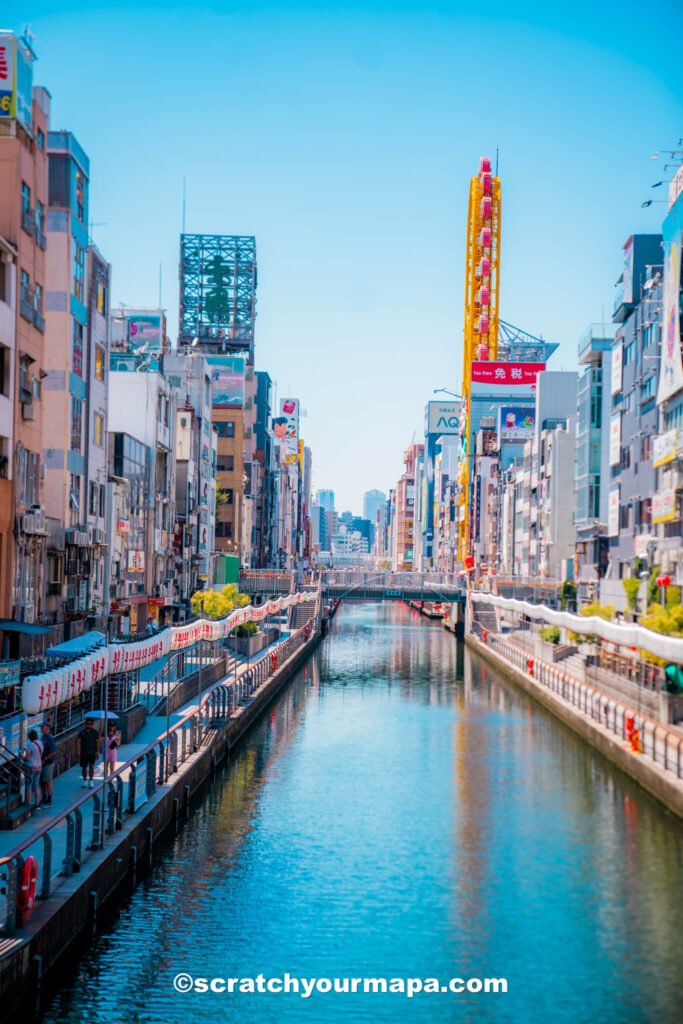
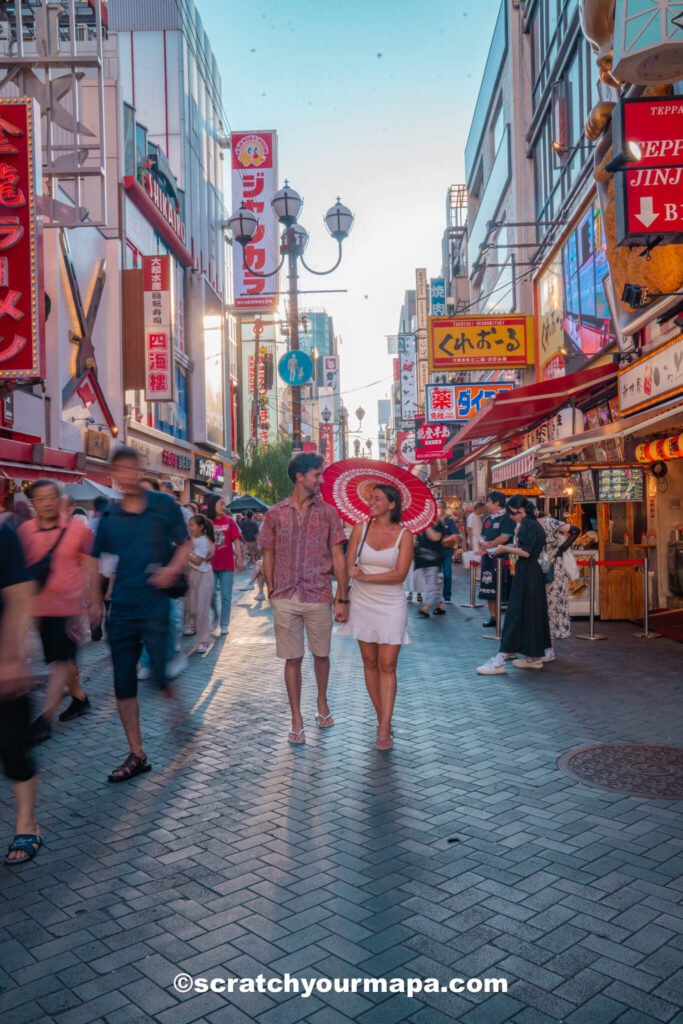
🗼 30 things to do in Osaka, Japan
✈️ How to get to Osaka, Japan
🚌 How to get to Nara, Japan
🏮 Nara Lantern Festival
🦌 What to do in Nara in one day
📖 Nara travel guide
🇯🇵 The ultimate guide to planning a trip to Japan
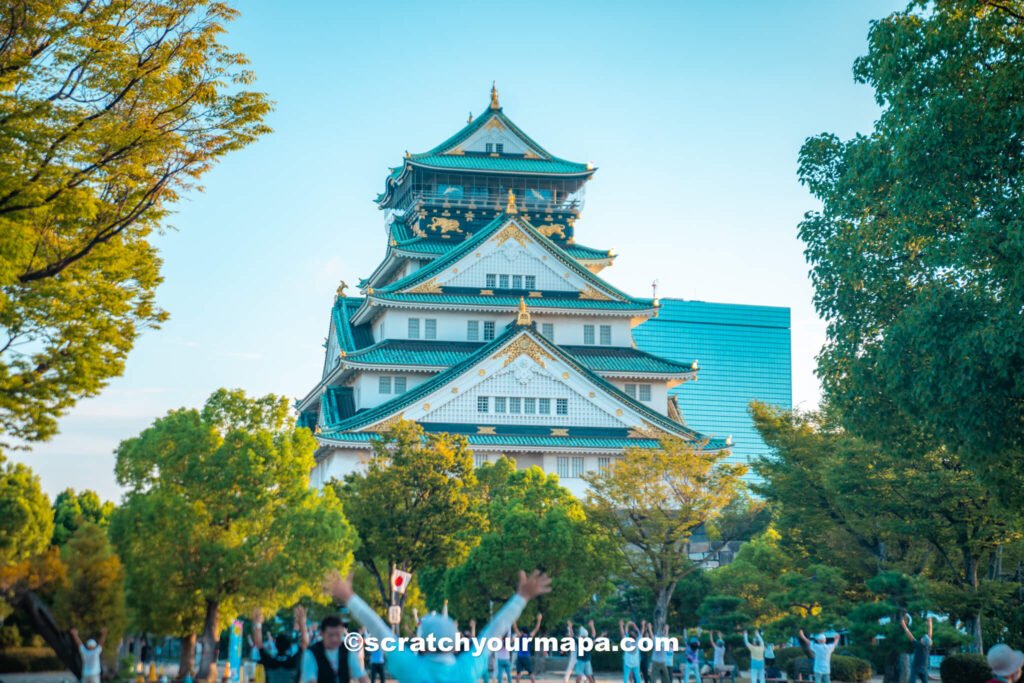
So are excited to start planning your trip to Japan? We hope this guide helped you understand more about what it’s like to visit.
Want to learn more? We have a few other Japan Travel Guides for you to explore, and a ton of other coming up. Make sure to subscribe to our newsletter to stay up to date with our most recent articles, and for special discounts on our shop.
Ready to book your trip to Japan, but don’t want the hassle of doing all of the work? Well, we’re here to help! Scratch Your Mapa offers travel planning packages including customized itineraries, hand-picked hotels, and personalized activities.

Here are some other guides you’ll love: