
The Ultimate Travel Guide for Kyoto: Everything You Need to Know for an Iconic Trip
Kyoto was one of the places we were most excited to visit in Japan, and after exploring the city, returning to it, and discovering just how much there is to do, we definitely understand why it’s such a popular destination. If you’re looking for a travel guide for Kyoto that covers the practical details as well as the experiences that make the city special, we’ve put together everything we think you should know before your trip.
Kyoto has a completely different atmosphere from Tokyo and Osaka. Instead of huge entertainment districts and endless city lights, you’ll find traditional neighborhoods, centuries-old temples, peaceful gardens, colorful markets, and some of the most beautiful streets in Japan. Of course, it’s also incredibly popular, so knowing when to visit certain attractions, where to stay, and how to get around can make a pretty big difference!
We visited Kyoto as part of a larger Japan itinerary, traveling from Nara before continuing to Osaka. We ended up visiting Kyoto twice and still felt like we had only scratched the surface! In this guide, we’re sharing the basics of planning a trip to Kyoto, from fun transportation to food, accommodation, safety, weather, and our favorite things to do.
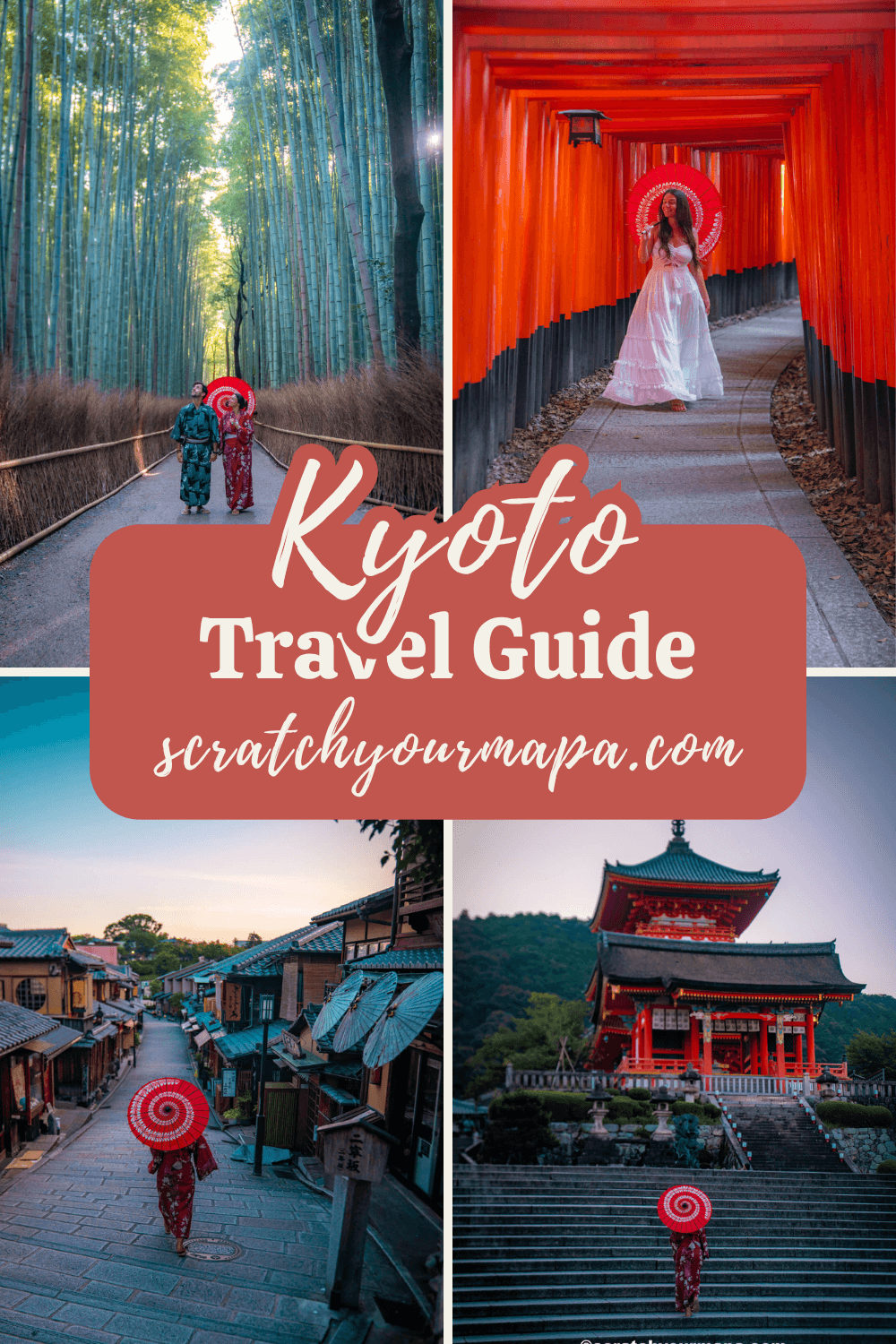
Want to save this article to read later? Pin in!
*Please note that this blog post may contain some affiliate links, which we make a small profit on, at zero cost to you. Links are only used on products & services that we’ve used and believe in, to give you the best buying experience. Purchasing from these links helps us to continue providing free travel guides for you- so thank you for your support!
Our Travel Planning Recommendations
Travel Guide for Kyoto: The Basics of Traveling There
Before getting into the details of this travel guide for Kyoto, let’s start with a little background on the city and what makes it such a special part of Japan.
⭐ What Is Kyoto Best Known For?
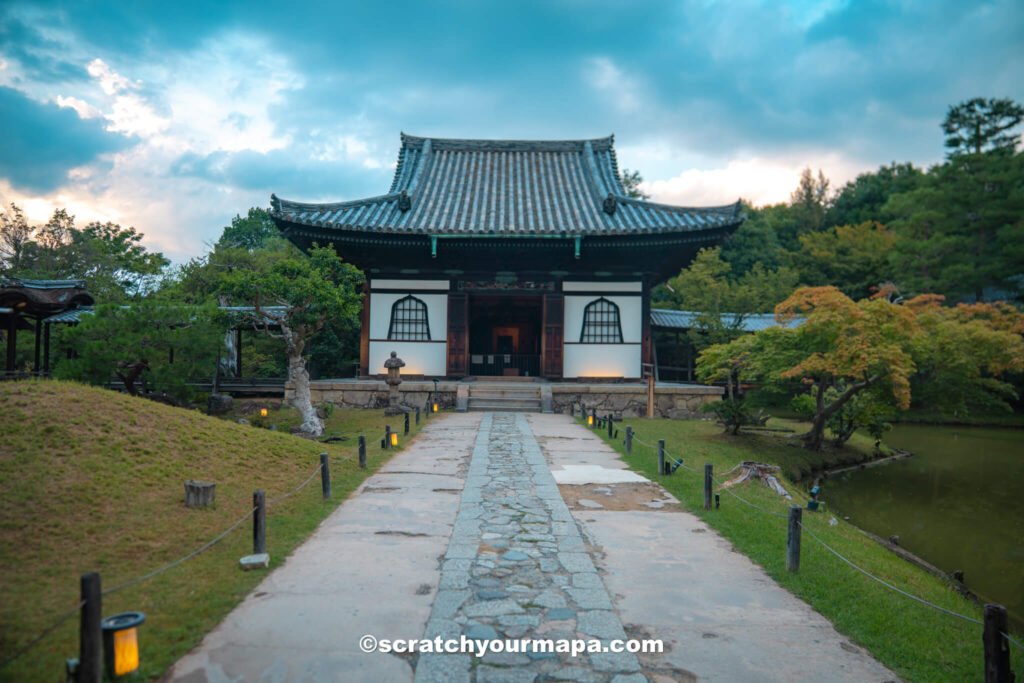
Kyoto is best known for its historic temples and shrines, traditional architecture, Japanese gardens, tea culture, and preserved historic neighborhoods. It served as Japan’s capital for more than 1,000 years, and many of its most recognizable landmarks share a look at the country’s history and traditions.
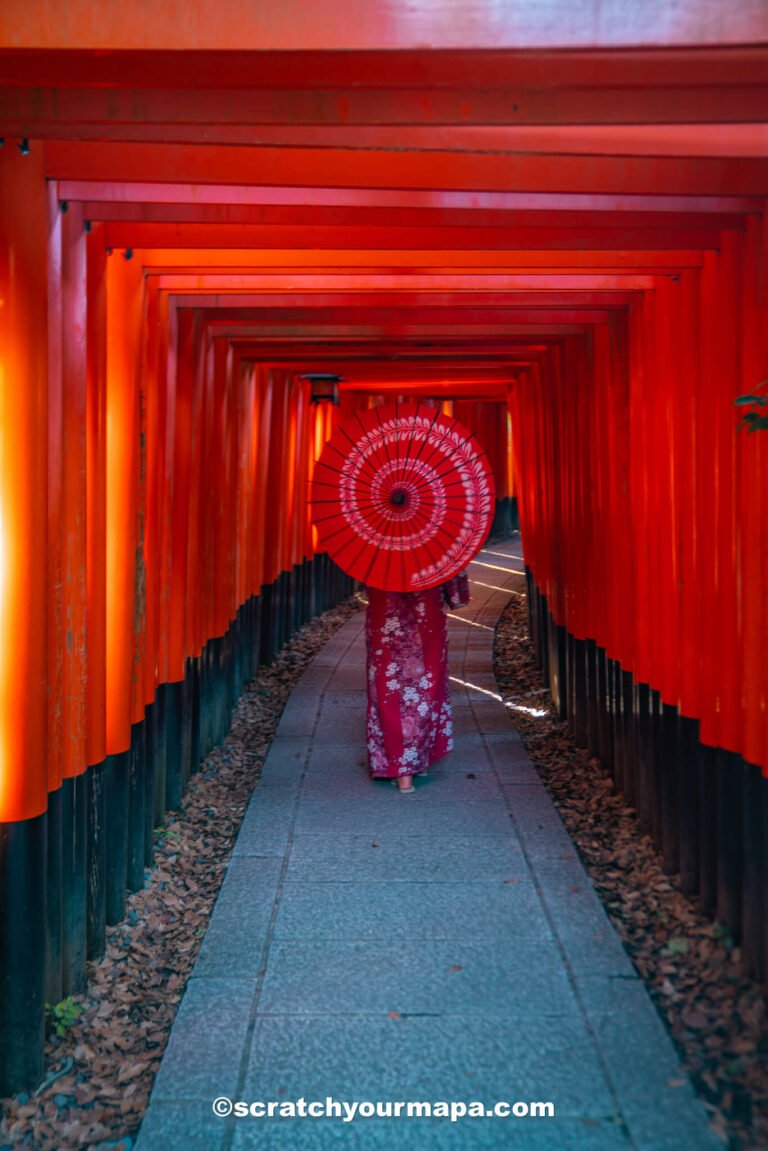
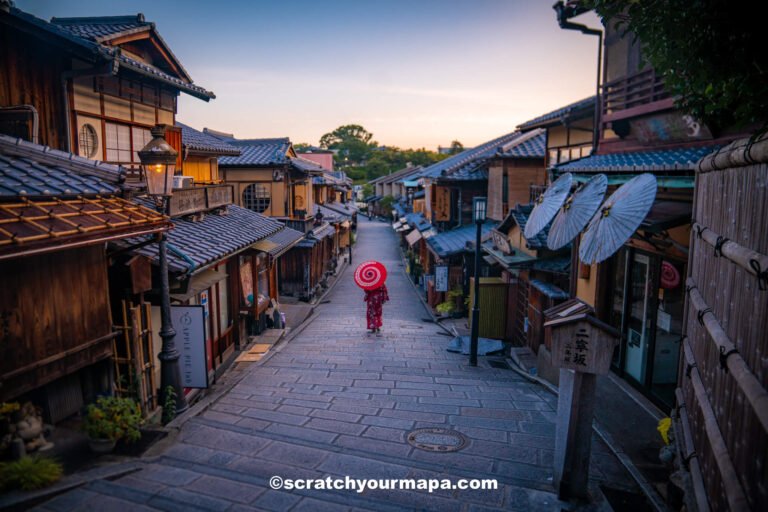
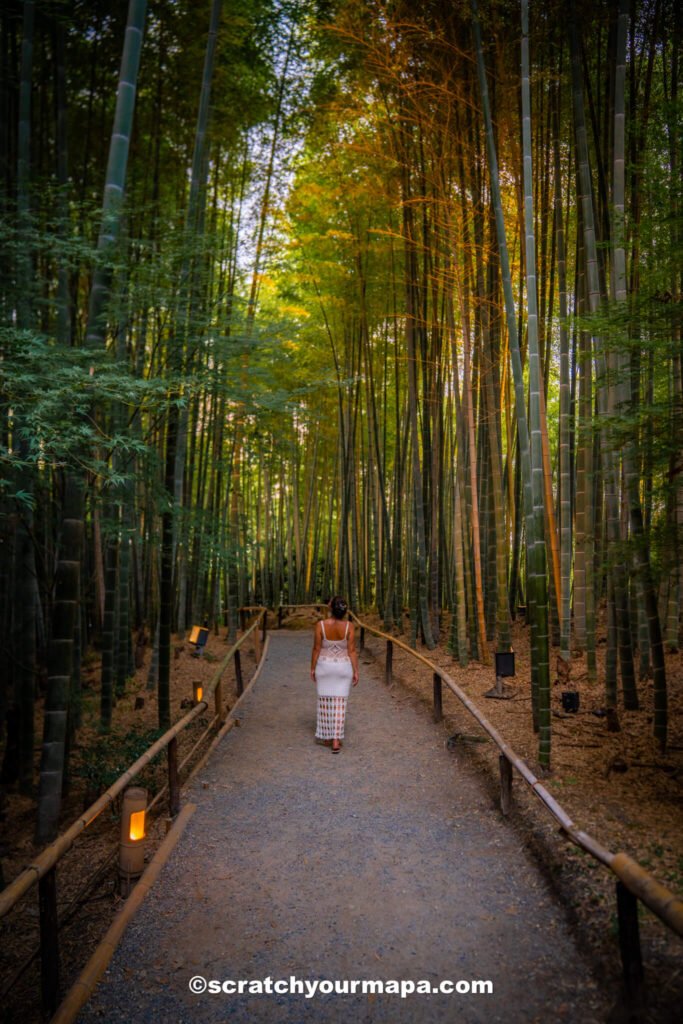
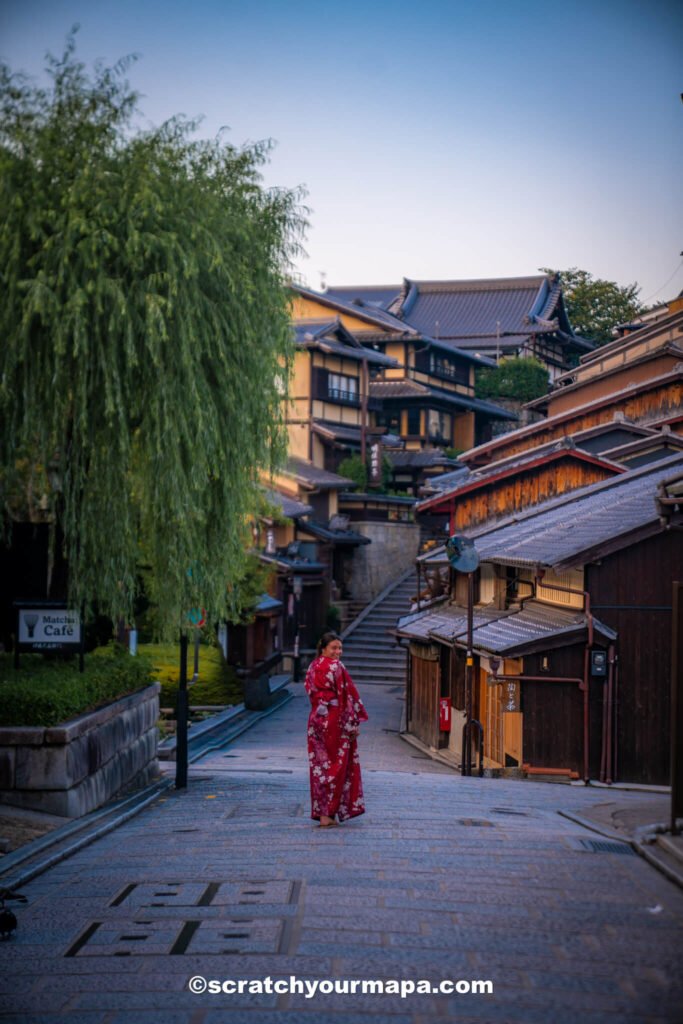
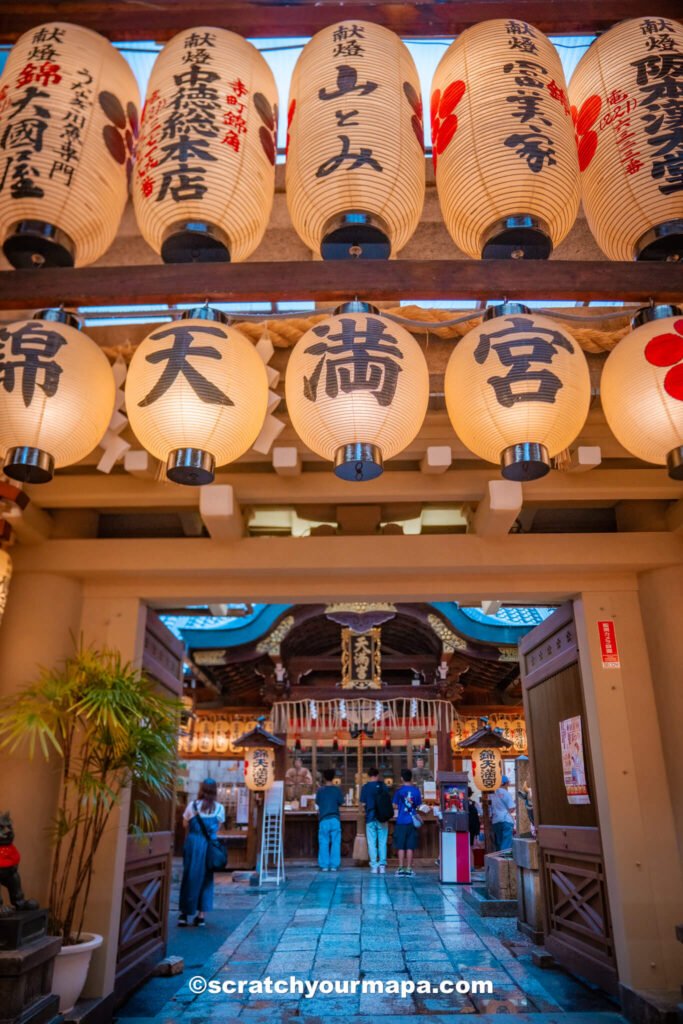
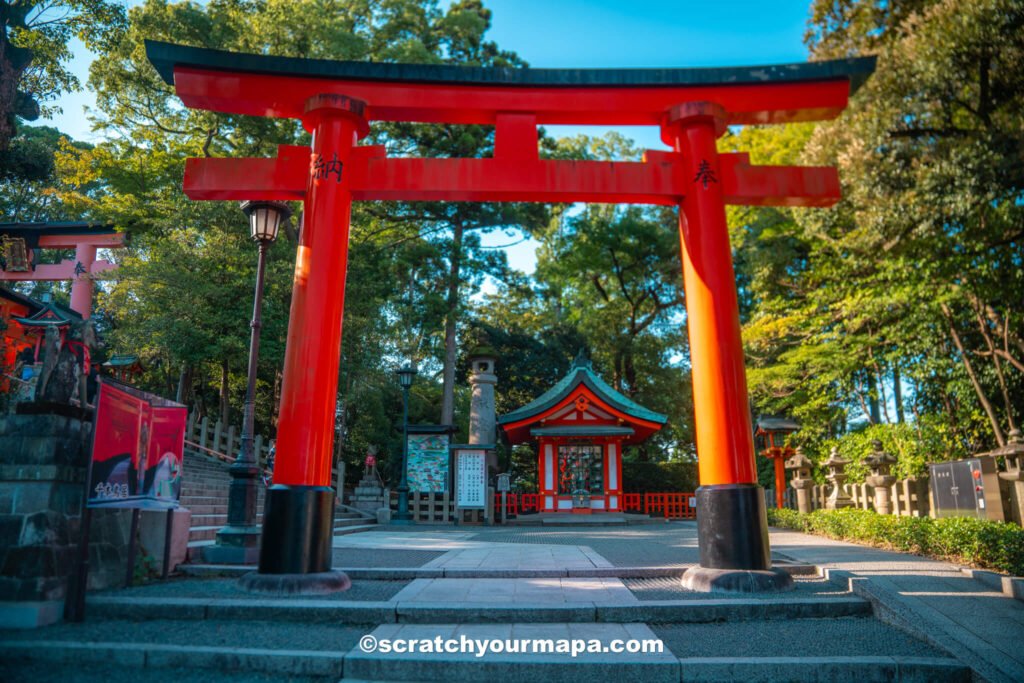
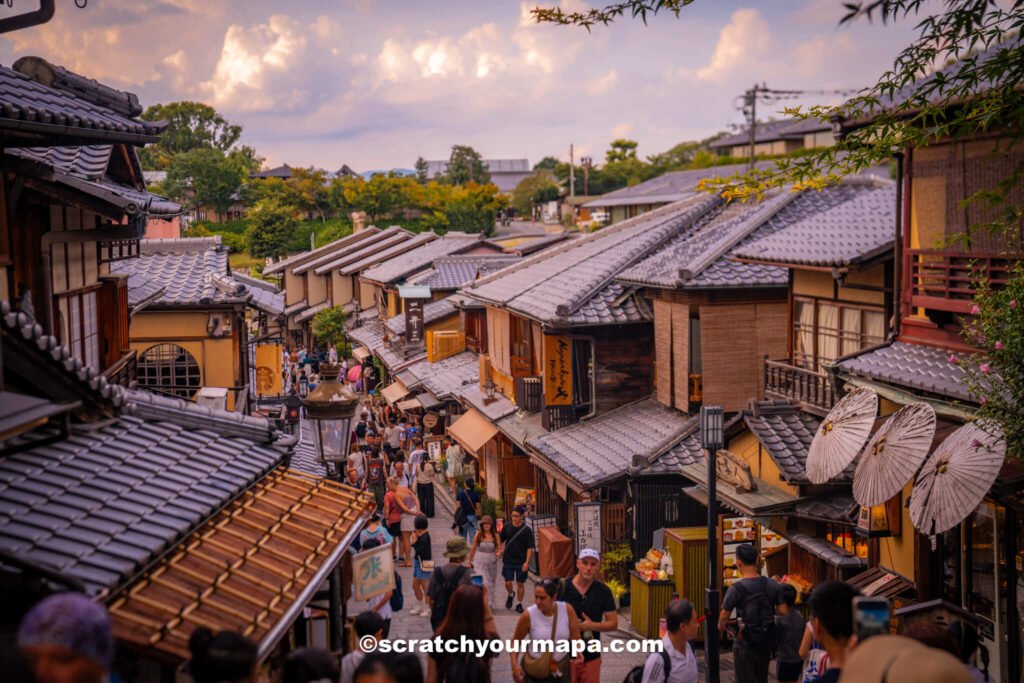
The city is also famous for its seasonal scenery. Visiting Kyoto in spring is especially stunning due to the Cherry blossoms in bloom, while autumn brings colorful foliage to gardens and mountain areas. Add in the Arashiyama Bamboo Grove, the red torii gates of Fushimi Inari, the Golden Pavilion, and the traditional streets of Gion and Higashiyama, and you’ll quickly understand why Kyoto is one of Japan’s most photographed destinations.
There’s more to the city than just pretty photos though (although it was one of our favorite aspects!). We loved how many different experiences were available, from tea ceremonies and Japanese craft workshops to sake tastings, food tours, and even samurai experiences. If you enjoy learning about local culture while traveling, Kyoto has plenty to keep you busy.
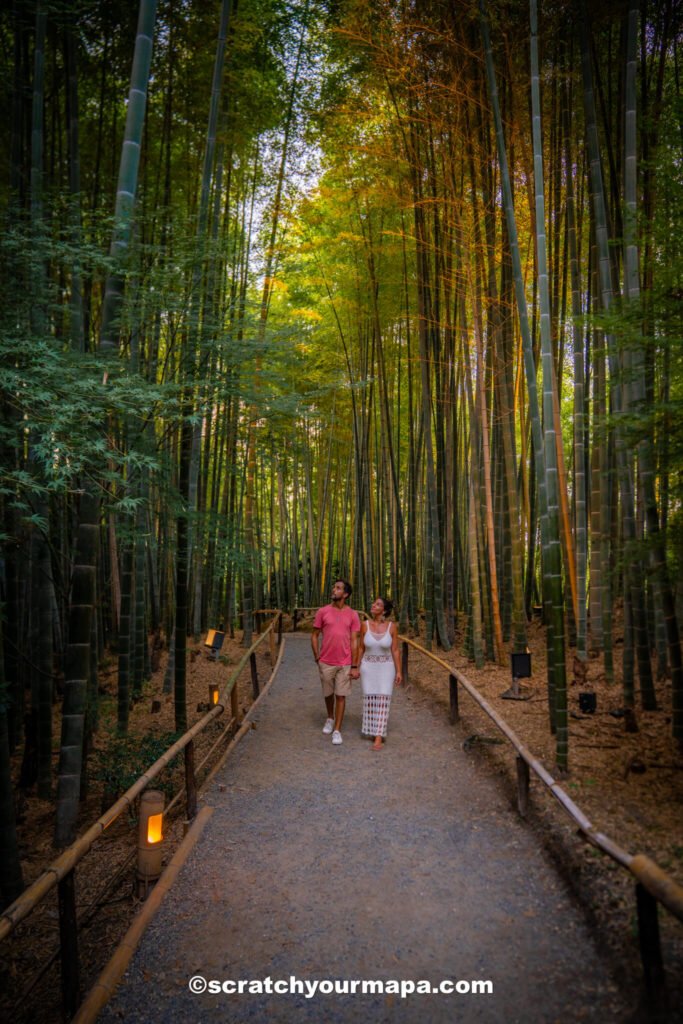
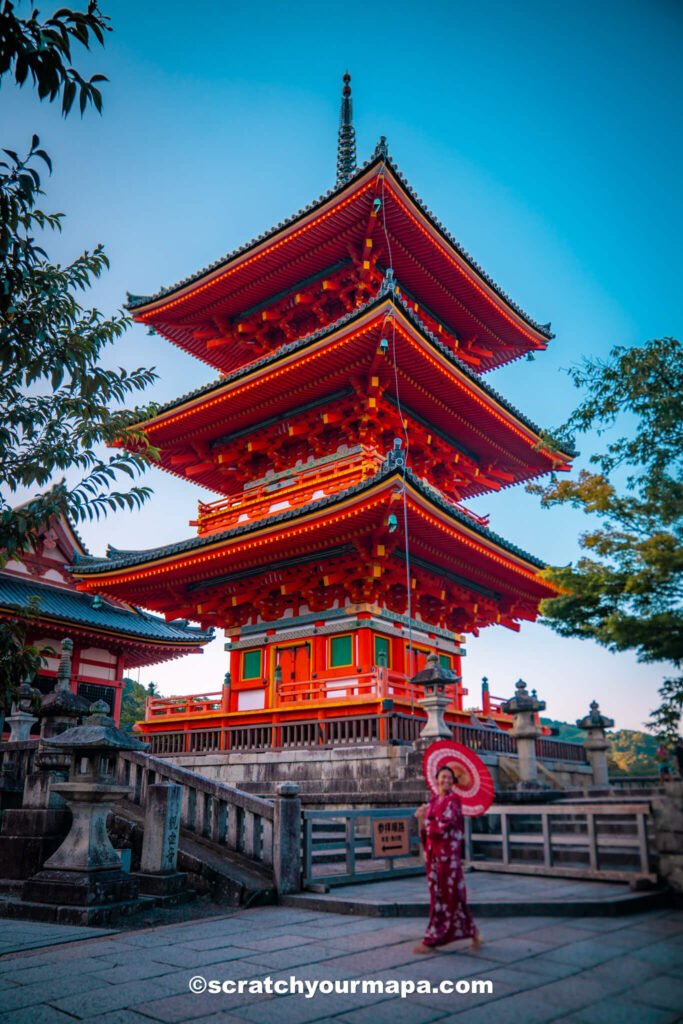
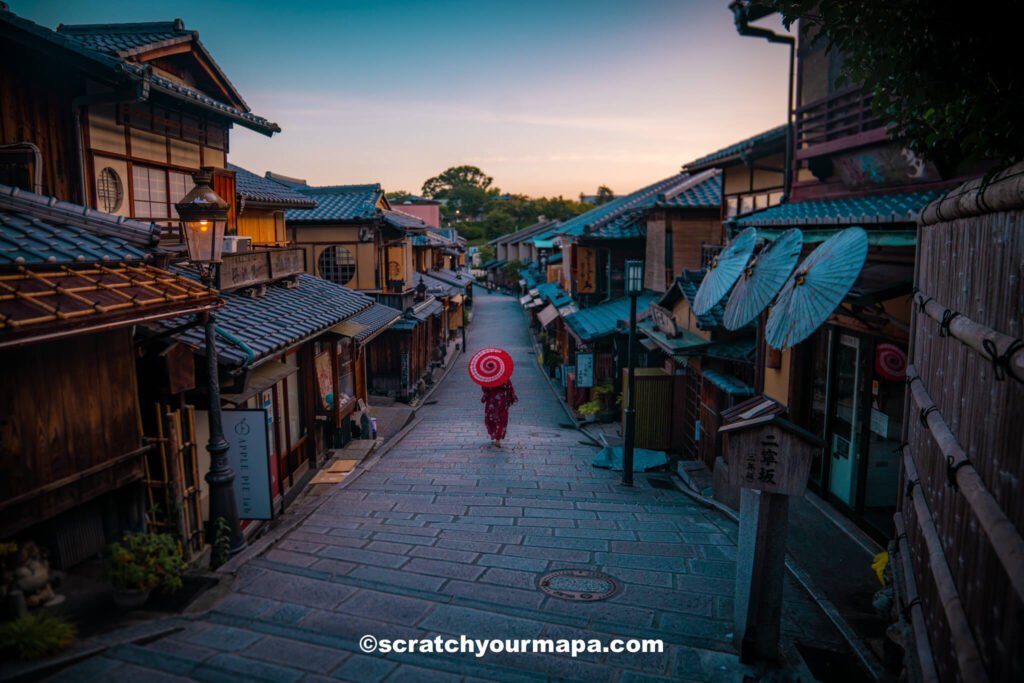
📍 Where Is Kyoto Located?
Kyoto is located in the Kansai region of Japan, on the island of Honshu. It sits northeast of Osaka and is well connected to other destinations in the region, including Nara, Uji, and Kobe.
Its location makes it super easy to include in a larger Japan itinerary, and it’s a core part of most tourist trails for first-time visitors to the country. We traveled from Nara to Kyoto and then continued to Osaka, but you can also visit Kyoto from Tokyo by Shinkansen or use Osaka as your base for a day trip.
👀 What Should You Know Before Visiting Kyoto?
Kyoto is relatively easy to visit once you know some of the basics about the city. Here are the main topics we’ll cover in this travel guide for Kyoto:
✈️ How to get to Kyoto
🛂 Japanese entry requirements
💴 Local adjustments (currency, language, electrical outlets, water potability, & tipping
🤩 Things to do and see
🍴 What and where to eat in Kyoto
🚗 How to move around Kyoto
🛌 Where to stay in Kyoto
👮🏻♀️ Safety in Kyoto
☀️ Weather and the best time to visit
🧳 How to pack for your trip
🤔 Whether Kyoto is worth visiting
⏳ How much time to visit Kyoto

Travel Guide for Kyoto, Japan: Getting There
Visiting Kyoto, Japan is easy! While Kyoto doesn’t have its own airport, it’s located close to Osaka’s two airports, making it easy to reach from abroad. Kyoto is also well-connected to other major cities in Japan by Shinkansen, regular trains, and buses, so getting here has plenty of options whether you’re coming from Tokyo, Osaka, or elsewhere in the country.
Check out our full guide on How to Get to Kyoto, Japan for all the transportation options, routes, and details you need to plan your trip.
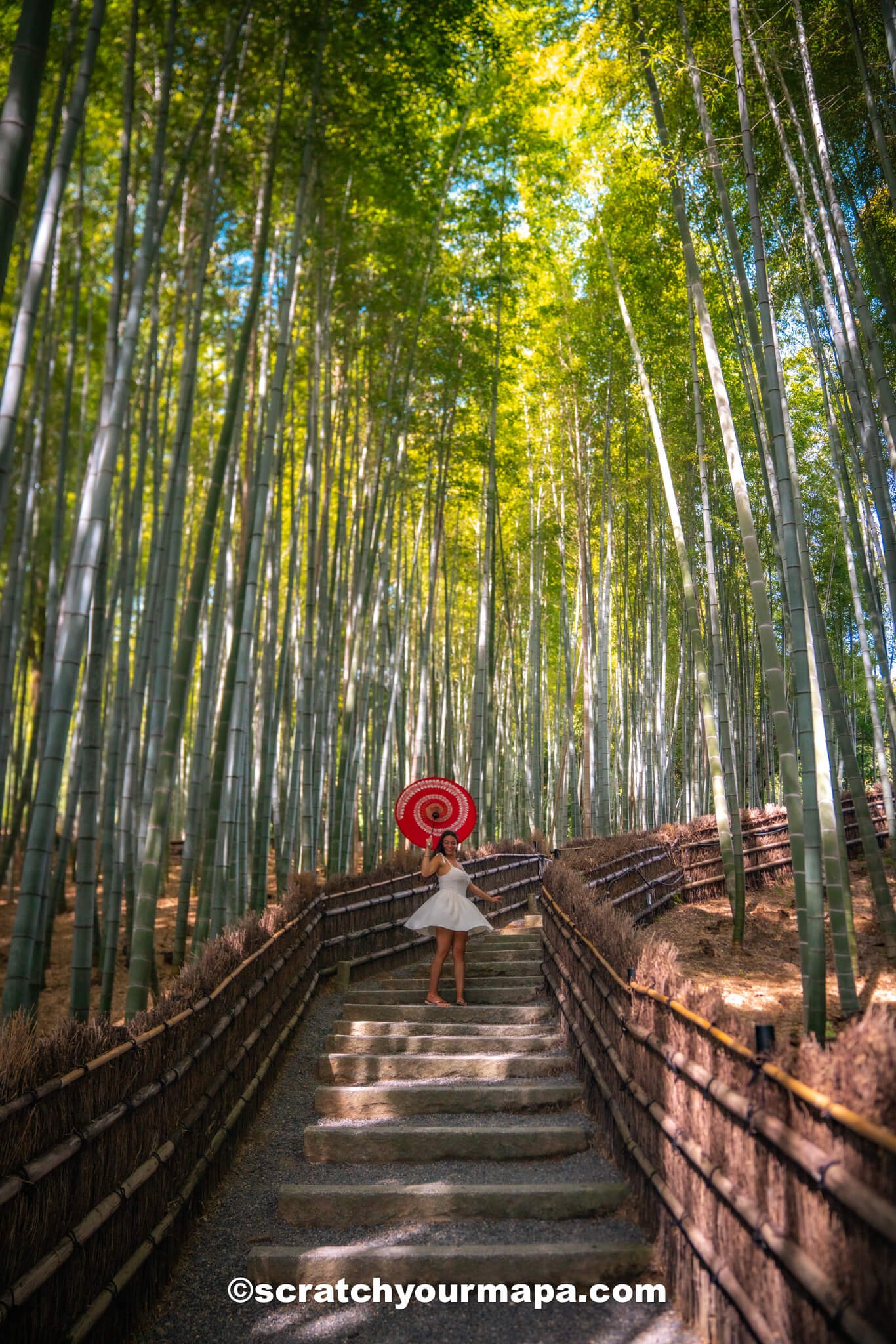
How to Get to Kyoto from Osaka, Tokyo, and Abroad
A full guide for helping you get to Kyoto and to make sure you have the proper travel documents to visit.
Visiting Kyoto, Japan: Entry Requirements
Before booking your trip, make sure you know Japan’s entry requirements. These depend on your nationality, the purpose of your visit, and how long you plan to stay.
🛂 Do You Need a Visa for Japan?
Many travelers can visit Japan for a short tourist stay without applying for a visa in advance. However, visa exemptions and permitted lengths of stay vary by nationality, so you’ll need to check the rules that apply to your passport specifically.
Make sure your passport is valid for the length of your trip and check whether you need a visa or any additional documentation before departing. Requirements can change, so use Japan’s official Ministry of Foreign Affairs website and the Japanese embassy or consulate responsible for your country when you’re planning your trip.
📝 Should You Complete Visit Japan Web?
Visit Japan Web is Japan’s online service for completing the appropriate arrival procedures, including immigration and customs information.
Check the current official instructions before traveling so you know which procedures apply to you. Keep your passport, accommodation details, and onward travel information accessible in case you need them during your journey.
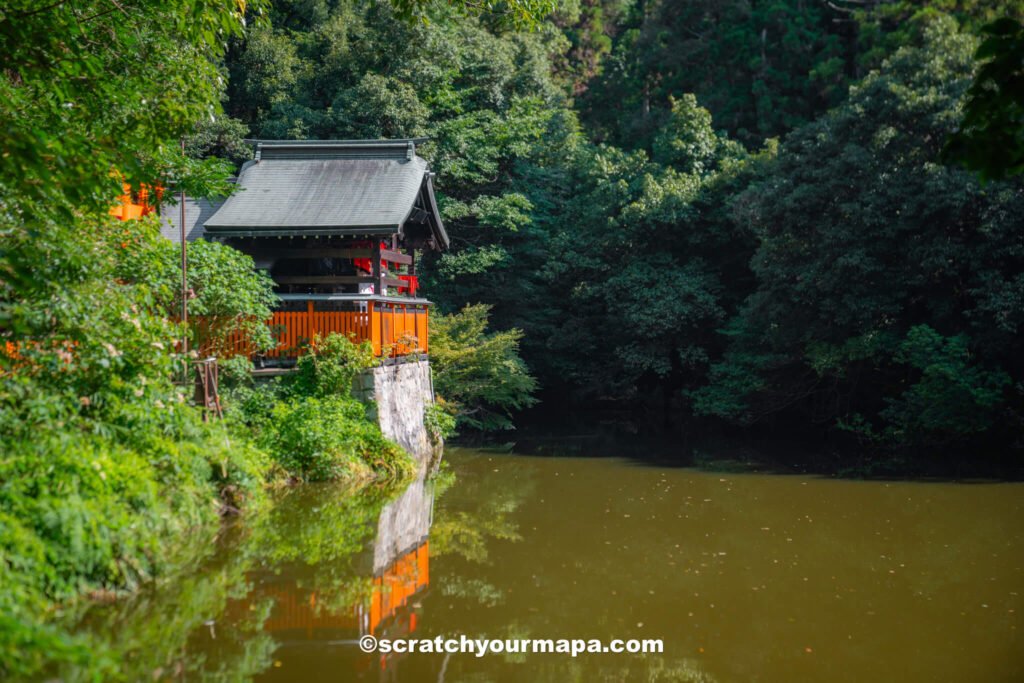
Travel Guide for Kyoto: Local Adjustments
Traveling somewhere new always comes with a few differences, and Japan is no exception. These are some of the practical details we recommend understanding before arriving in Kyoto.
🗣️ What Language Do They Speak in Kyoto?
Japanese is the main language spoken in Kyoto. You’ll find English signage at major train stations and popular attractions, and many tourist-facing businesses are accustomed to welcoming international visitors.
That being said, English isn’t spoken everywhere, particularly in smaller restaurants and neighborhood businesses.
We recommend downloading a translation app and saving important information, such as your hotel address, in Japanese. Google Maps is also incredibly helpful for navigating the city without needing to ask for directions constantly.
🇬🇧 Do People Speak English in Kyoto?
You can generally get around Kyoto’s major tourist areas with basic English, but don’t expect everyone to speak it fluently. Menus, ticket machines, and signs often have English options, although smaller establishments often do not.
We found that having our phones ready for translations made things much easier. Learning a few basic Japanese phrases is also appreciated, especially when greeting people or thanking them for their help.
💴 What Is the Currency in Kyoto?
Japan uses the Japanese yen (JPY). Credit cards are accepted at many hotels, larger restaurants, department stores, and tourist attractions, but cash we were honestly surprised by how much of a cash-heavy destination it is.
We recommend carrying a good amount of yen rather than relying entirely on cards, because you’ll need it more than you think! ATMs are available at convenience stores and other locations, and many accept international bank cards.
💵 Can You Use US Dollars in Kyoto?
Nooooooo! US dollars are NOT accepted as payment in Kyoto, so you’ll need Japanese yen for everyday purchases. You can exchange currency or withdraw yen from an ATM after arriving in Japan.

Upgrade Your Inspo
Get the best travel tips, tricks, and hidden gems sent directly to your inbox. You’ll become a better traveler, week after week.
Upgrade Your Inspo
Get the best travel tips, tricks, and hidden gems sent directly to your inbox. You’ll become a better traveler, week after week.
🔌 What Plugs Do They Use in Kyoto?
Japan primarily uses Type A electrical outlets, with two flat parallel pins. The standard voltage is 100V, and the electrical frequency varies by region.
Travelers from the United States can generally use Type A plugs without an adapter, but it’s important to check whether your devices support Japan’s voltage. Visitors from countries using different plug types will need a suitable adapter.
🚰 Is Tap Water Safe to Drink in Kyoto?
Yes, tap water in Kyoto is generally safe to drink. We recommend carrying a reusable water bottle so you can refill it throughout the day instead of buying bottled water every time you’re thirsty.
You’ll likely do plenty of walking while exploring temples, neighborhoods, and markets, so having water with you is essential during the hotter months.
💸 Is Tipping Customary in Kyoto?
Tipping is not customary in Japan, and should NOT be tipping, despite your automatic reaction to do so. Some establishments may have specific service charges, but these are different from tipping.
📱 Should You Get a SIM Card or eSIM for Kyoto?
We strongly recommend having mobile data during your trip. It makes using Google Maps, checking train routes, translating menus, and finding restaurants much easier.
You can purchase a physical SIM card or arrange an eSIM before arriving, depending on your phone and travel needs. We use T-mobile, which gives us free international roaming, but if you have a phone company that doesn’t offer this, then we recommend opting for the local Japanese SIM or an e-SIM if your phone isn’t unlocked.
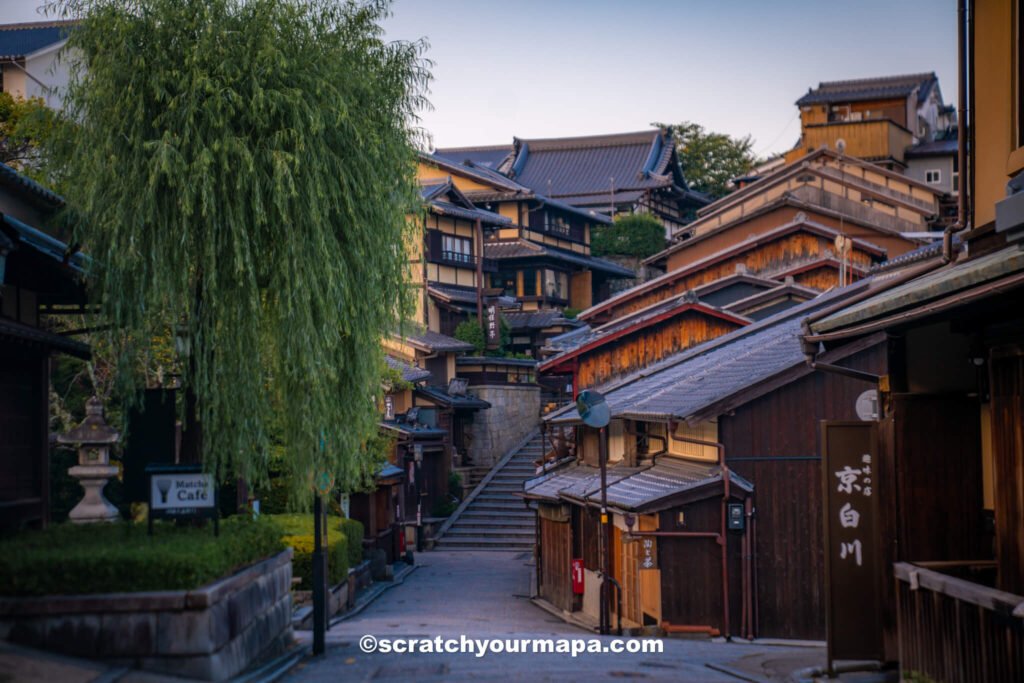
Travel Guide for Kyoto: The Best Things to Do & See
Now that you know all of the basics of visiting Kyoto, it’s time for our favorite part of our Kyoto travel guide: sharing all the highlights and unique experiences the city has to offer. We visited Kyoto twice during our Japan trip and still feel like there’s so much more to explore!
Here are the highlights for visiting Kyoto, Japan:
⛩️ Visit Fushimi Inari Taisha
🏯 Explore Kyoto’s beautiful temples and shrines
🎋 Walk through Arashiyama Bamboo Grove
🏰 Visit Nijo Castle
🏮 Wander through Gion and Higashiyama
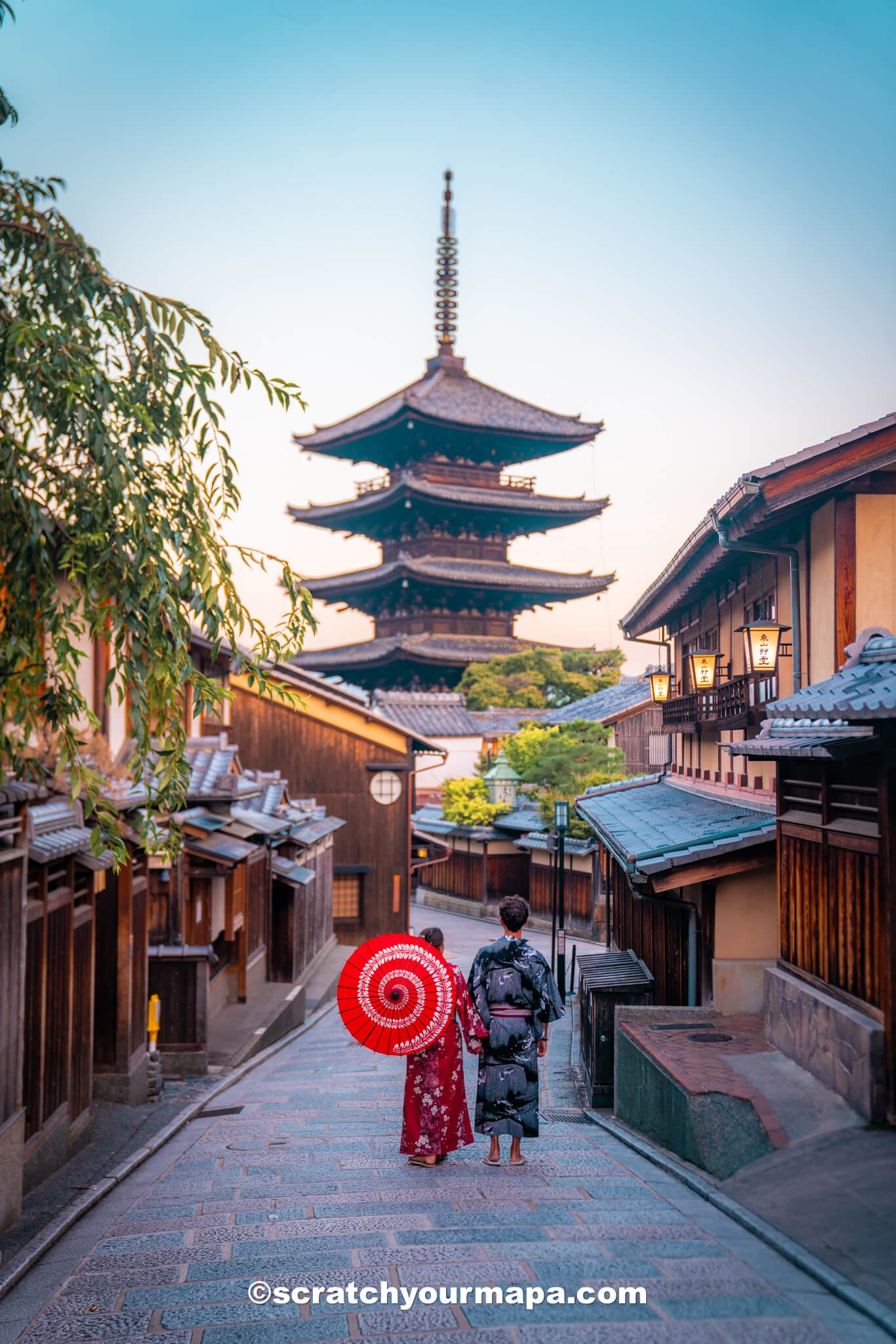
✨ See the famous Yasaka Pagoda
🌟 Visit the Golden Pavilion (Kinkaku-ji)
🍵 Experience a traditional Japanese tea ceremony
👘 Rent a kimono or yukata
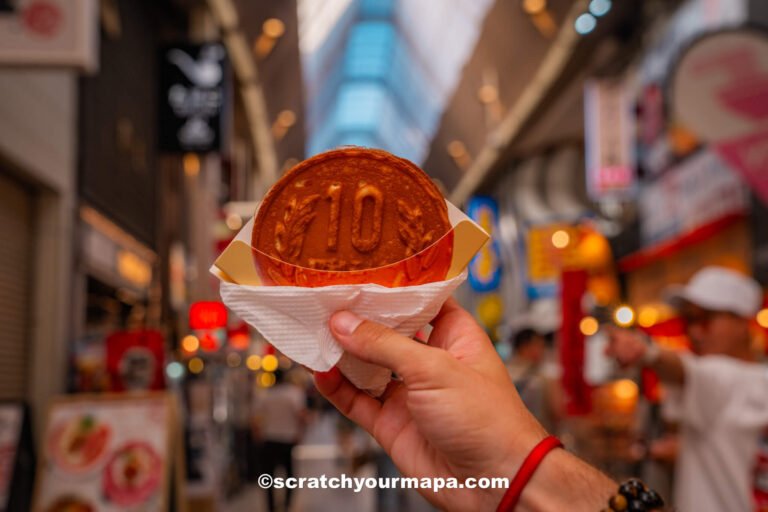
🥢 Explore Nishiki Market and Kyoto’s food scene
🍶 Visit the sake breweries in Fushimi
🎨 Take part in a traditional Japanese craft workshop
⚔️ Try a samurai experience
🎭 Watch a traditional show
✨ Experience Teamlab Biovortex
🚣 Take a scenic boat ride
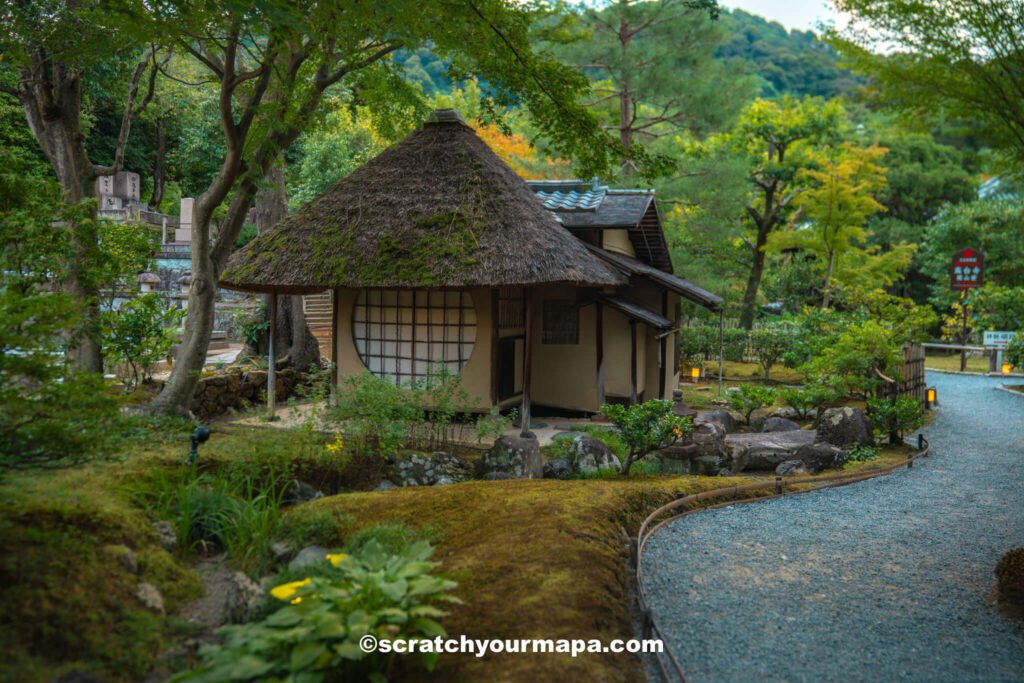
🌿 Explore Kyoto’s gardens and seasonal scenery
🚆 Take a day trip to Nara, Uji, or Osaka
👉🏻 Want to see all of the cool things to do and see in Kyoto? Don’t miss out on our Kyoto activities guide!
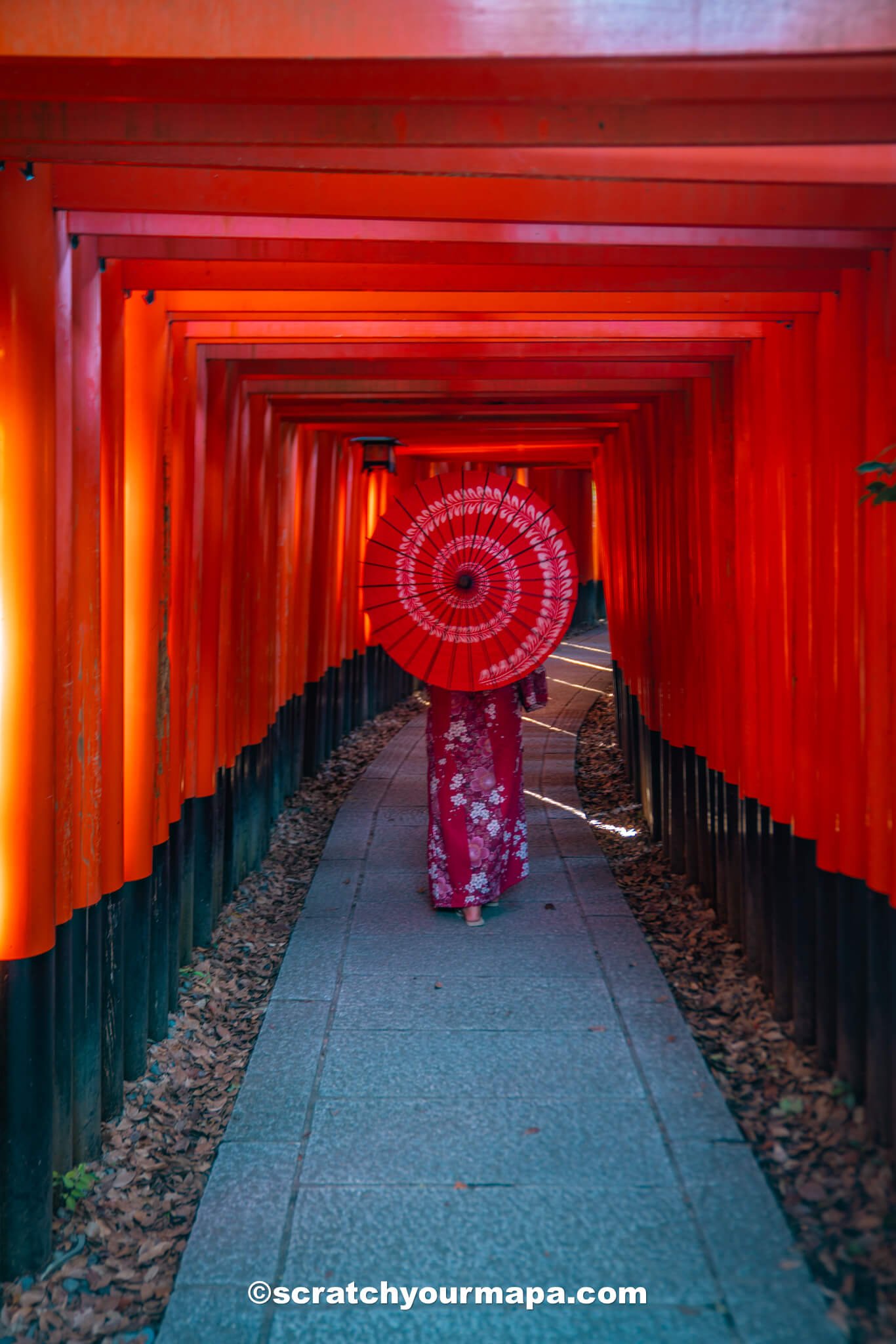
27 Things to Do in Kyoto, Japan for an Unbelievable Visit
From tourist highlights to unique workshops and exciting day trips, here are the things to do and see in Kyoto that you won’t want to miss.
Visiting Kyoto, Japan: What and Where to Eat
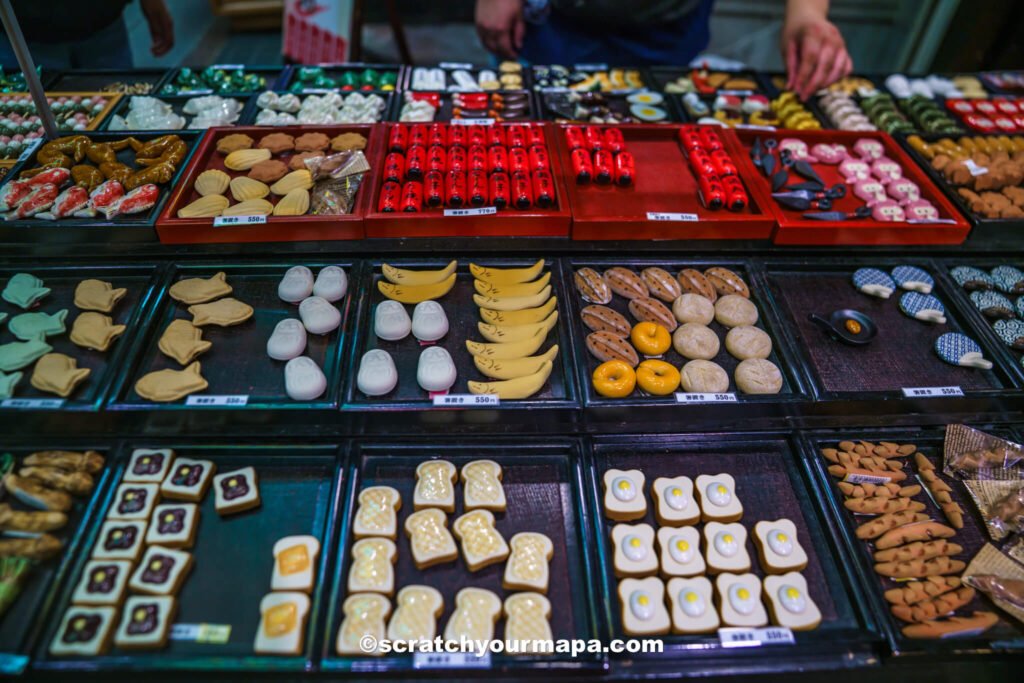
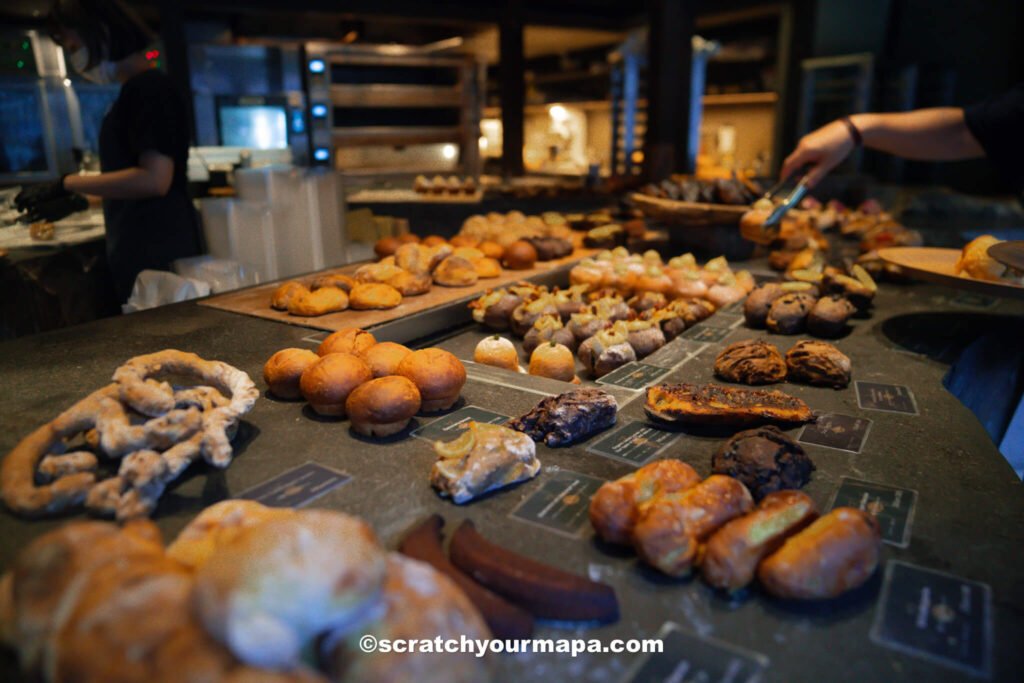
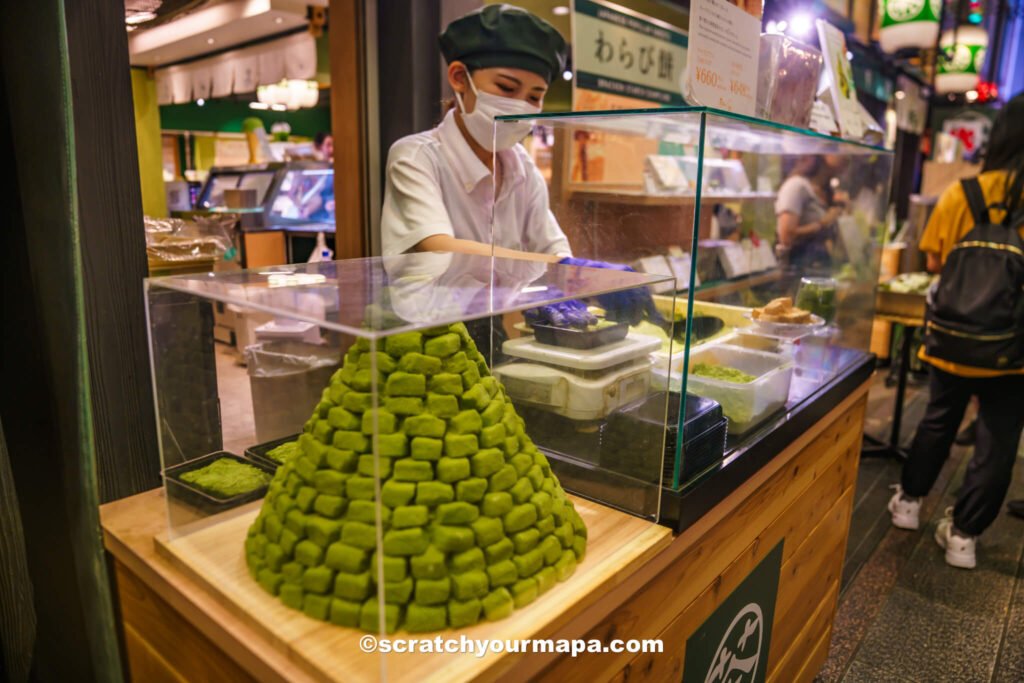
Kyoto’s food scene deserves its own place in your itinerary. Between traditional dishes, market snacks, matcha desserts, and small restaurants tucked into side streets, there are plenty of ways to make eating part of the experience.
🍜 What Food Is Kyoto Known For?
Kyoto has an impressive culinary scene, with an emphasis on seasonal ingredients, Japanese tea, tofu, noodles, and carefully prepared dishes. Here are some foods and drinks we’d look out for:
You don’t need to try everything, but we’d definitely make time for matcha and a few Kyoto specialties. Nishiki Market is a great place to sample different snacks, while a tea ceremony or food tour can give you more info about what you’re eating and the different local traditions.
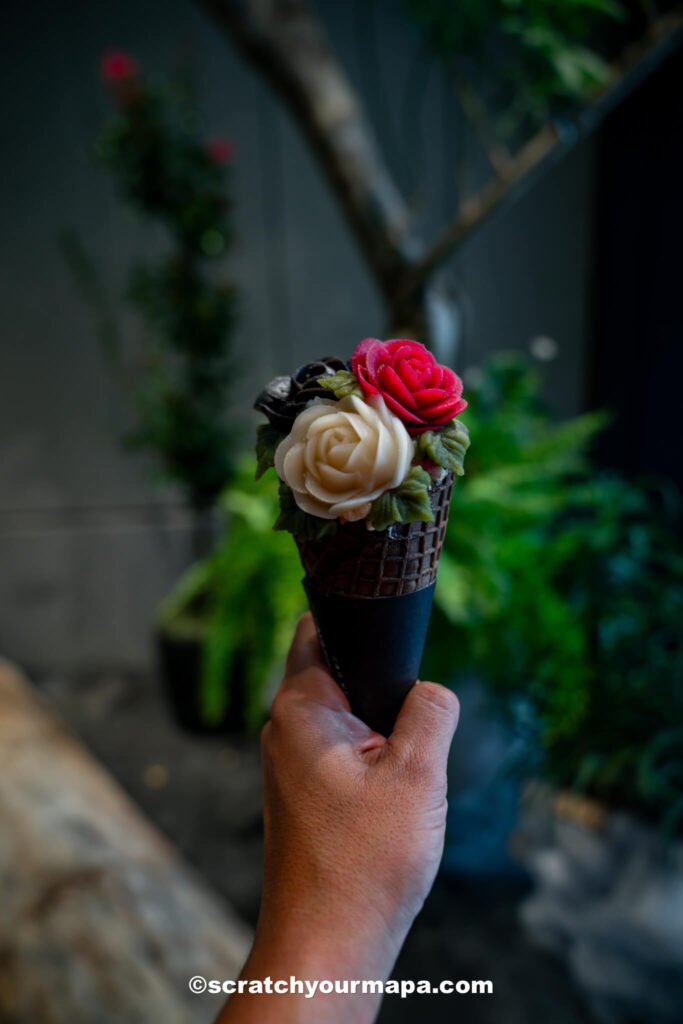
🍴 Where Should You Eat in Kyoto?
There are excellent places to eat throughout Kyoto, from casual noodle shops to specialty cafés and traditional restaurants. Here are a few places we enjoyed or recommend looking into:
💡 Some popular restaurants have long lines, limited seating, or reservation requirements, so make sure to plan accordingly!
How to Get Around While Visiting Kyoto, Japan
Kyoto is a spread-out city, and you won’t be able to explore everything on foot. While many neighborhoods are great for walking, getting between Kyoto’s top attractions often requires a combination of trains, buses, and walking.
Unlike Osaka, where the subway is really useful for getting around, Kyoto relies more heavily on buses to reach attractions that aren’t close to train stations. We’d recommend using public transportation and planning your routes ahead of time to avoid unnecessary detours, especially during busy seasons.

Want to learn about all of the logistics for getting around Kyoto? Don’t miss our Kyoto transportation guide!
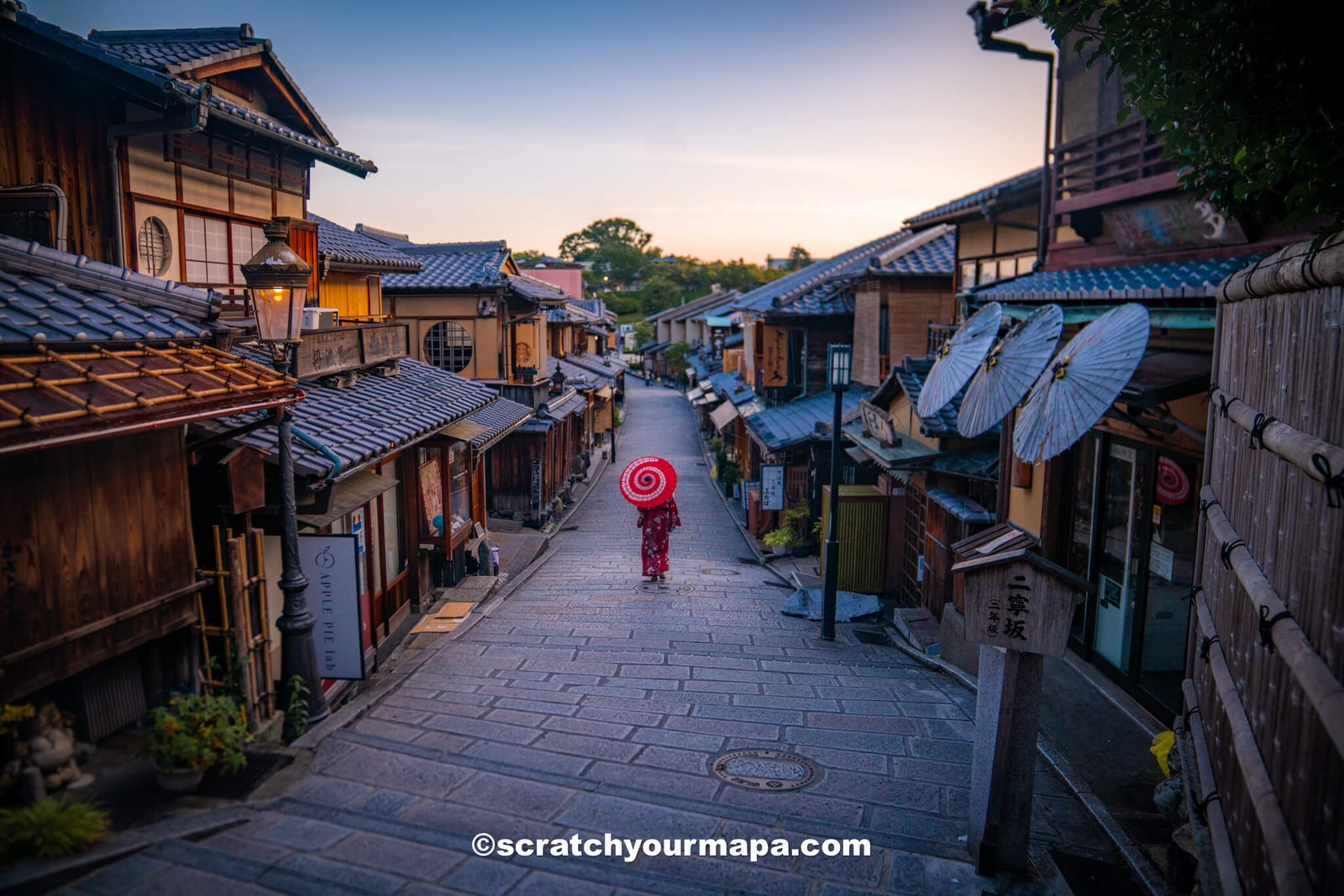
The Best Way to Get Around Kyoto for an Easy & enjoyable Visit
Come explore the different ways to get around Kyoto, from public transportation to local rideshare apps.
Where to Stay While Visiting Kyoto, Japan
Kyoto has several good neighborhoods for visitors, but choosing the right one can make your trip much easier. Think about which attractions you want to visit, how often you’ll be using public transportation, and whether you prefer being close to restaurants and nightlife or staying somewhere quieter.
❣️ Which Area Should You Stay in Kyoto?
Here are some of the areas we’d consider when planning a first trip.
For a first visit, we think Kyoto Station and the Kawaramachi/Gion area are two of the easiest places to stay. Kyoto Station is especially practical if you’re taking day trips or arriving with luggage, while Kawaramachi and Gion put you closer to restaurants, shopping, and many of the city’s most recognizable streets.
Arashiyama can be lovely if you want a quieter base, but keep in mind that you’ll need to travel farther to reach many attractions in central and eastern Kyoto.
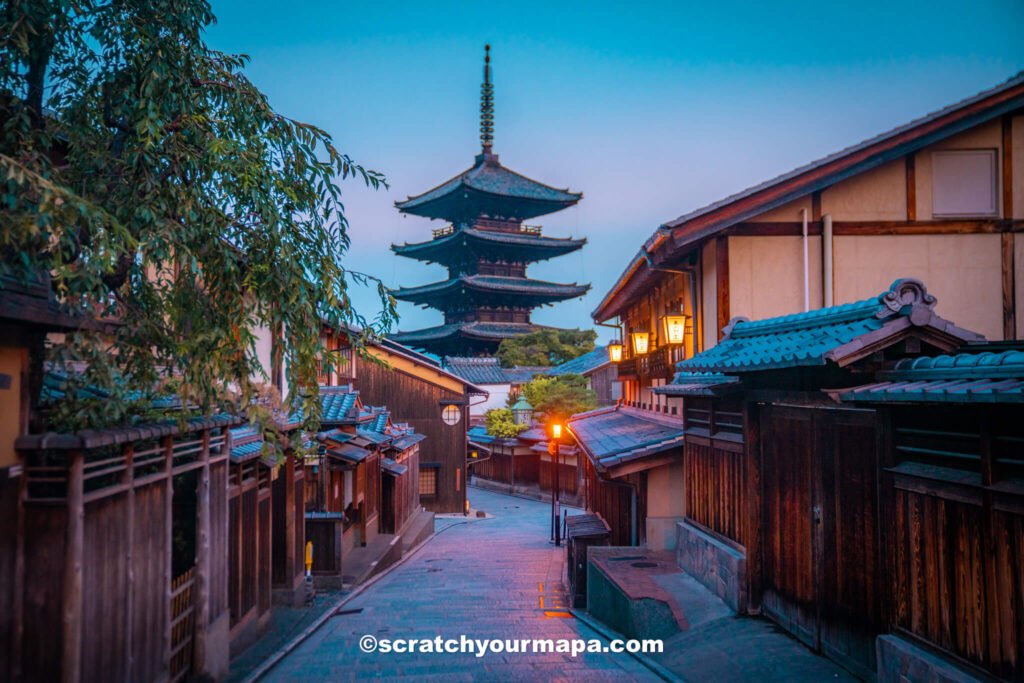
🏨 Recommended Hotels in Kyoto
Here are three hotels to consider when comparing accommodation options in Kyoto. Check the latest rates and location details to see which best suits your budget and itinerary.
$ Good Budget-Friendly Stays in Kyoto
$$ Great Mid-Range Stays in Kyoto
$$$ The Best Luxury Hotels in Kyoto

Safety in Kyoto, Japan
One thing we loved about Japan was just how safe it was! Kyoto is super safe, and you can confidently walk around day or night, solo, and when it’s dark out without having to worry.
One thing we particularly recommend though is being mindful of local etiquette. Kyoto has residential neighborhoods, working businesses, and cultural sites alongside its tourist attractions, and something really important to locals is respect. Follow signs, respect photography restrictions, avoid blocking narrow streets, and don’t enter private property for photos. Also please stay quiet on public transportation, and keep noise levels minimal in public.
Travel insurance is something we recommend, even if a destination is super safe. Things like unexpected illness, injury, cancellations, or travel disruptions can happen anywhere. We personally recommend Safety Wing insurance, as it’s our go-to insurance that’s reliable and affordable.
Other Things to Know About Visiting Kyoto, Japan
Now that we’ve covered the main logistics, here are a few final things in our travel guide for Kyoto to consider when planning your trip.
☀️ What Is the Weather Like in Kyoto?
Kyoto experiences four distinct seasons. Spring and autumn are especially popular for sightseeing because of the pleasant temperatures and seasonal scenery. Summers are HOT! This is when we went and we totally underestimated the heat in Japan. Winters are colder, and temperatures can occasionally fall low enough for snow, although significant snowfall is not something you see regularly.
The weather can affect your itinerary, particularly if you’re planning to walk between temples, spend time in gardens, or visit the Bamboo Grove. Check the forecast close to your departure so you can properly prepare for the weather conditions.
📆 What Is the Best Month to Visit Kyoto?
Spring and autumn are often the most popular times to visit Kyoto. Spring turns the city pink with its Cherry blossoms, while autumn foliage brings colorful scenery to temples and gardens later in the year. Exact timing changes from year to year, so don’t plan around a specific bloom or foliage date without checking the latest forecasts.
Summer was when we went, and it was pretty brutal weather-wise. That being said, it was a fun time to experience local festivals. Winter can be a quieter and more affordable time to visit, although you’ll want warm layers and should check for seasonal closures.
There’s no single perfect month for everyone. The best time to visit Kyoto depends on your priorities, budget, tolerance for crowds, and the experiences you want to include.
Suggested Read: The Best Time to Visit Japan for Stunning Colors, Great Weather, & Incredible Festivals
🧳 What Should You Pack for Kyoto?
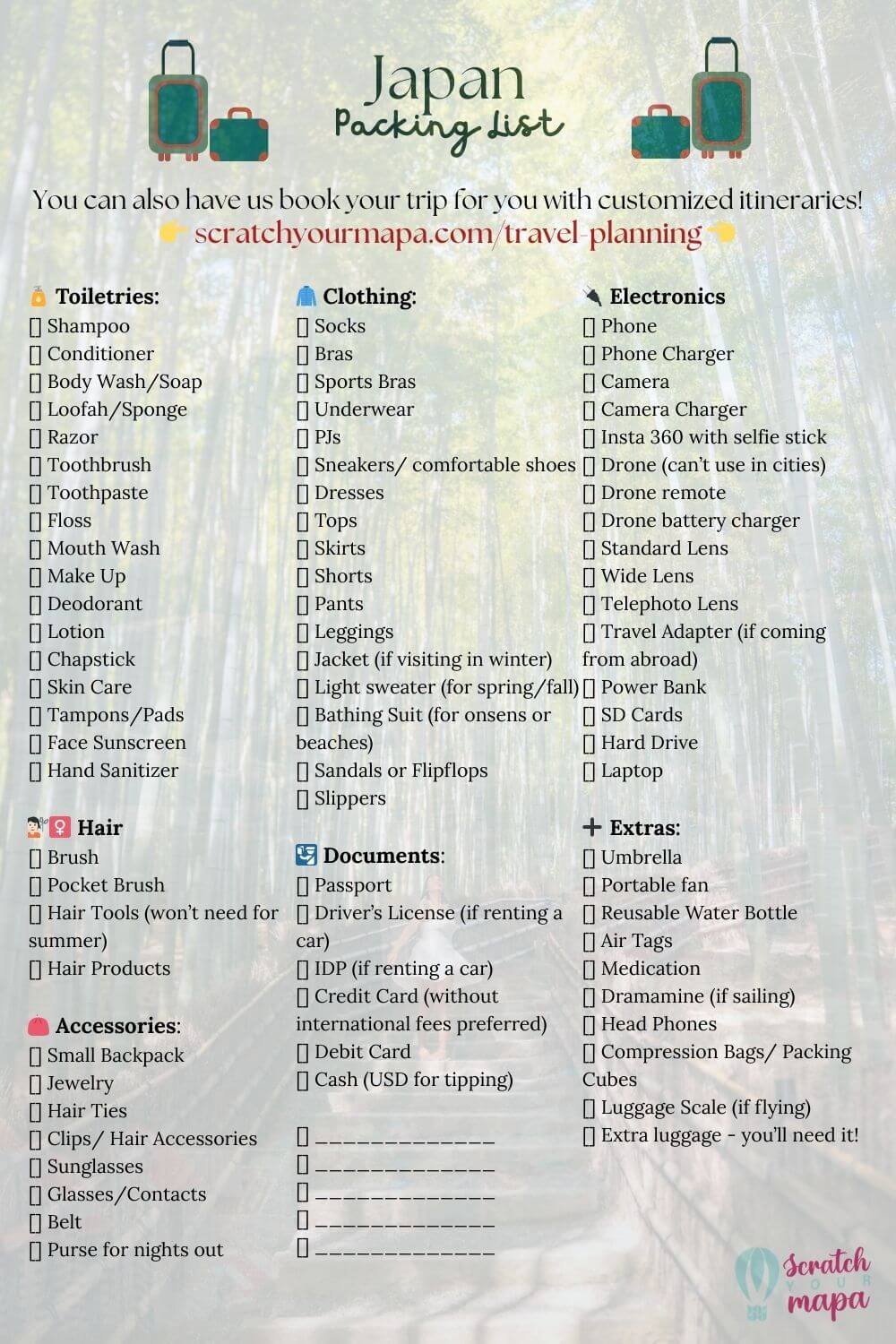
What you pack will depend on the season, but comfortable walking shoes are essential. Many Kyoto itineraries involve long walks through temple grounds, traditional neighborhoods, markets, and parks
We’d also bring a reusable water bottle, a portable phone charger, and a small day bag for sightseeing. In summer, pack breathable clothing, sun protection, and rain protection. In winter, bring warm layers.
If you’re planning to cycle, hike, or take part in outdoor activities, make sure your footwear and clothing are suitable for exercise.
🤔 Is Kyoto Worth Visiting?
Kyoto is one of the best places in Japan to experience traditional architecture, temples, gardens, tea culture, and historic neighborhoods. It also has plenty of modern attractions and unique activities, so there’s more variety than you might expect.
We visited Kyoto twice during our Japan trip and still felt like we could have spent much longer there. The city is popular for a reason, but we recommend going beyond the most famous photo spots and leaving time for the food, workshops, markets, and smaller discoveries along the way.
If your itinerary is very short, you’ll need to be selective because Kyoto is spread out and travel between some attractions takes time. But if you’re interested in Japanese history and culture, we’d definitely consider it a worthwhile addition to your trip.
⏳ How Many Days Do You Need in Kyoto?
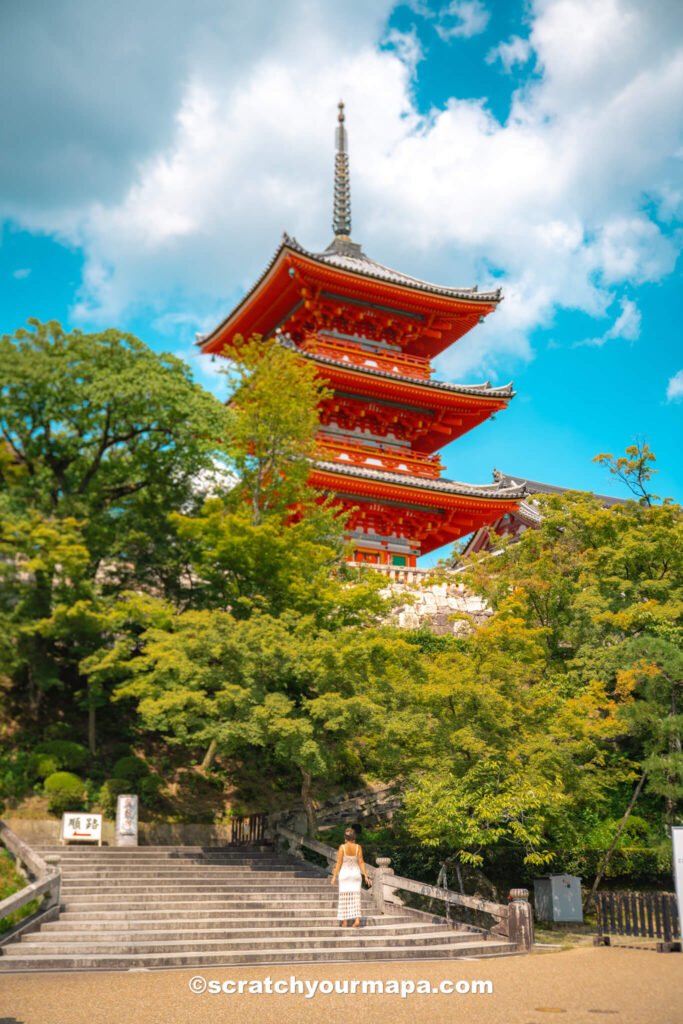
We recommend spending at least three full days in Kyoto if you want to see the main highlights without rushing through everything. This gives you time to explore the historic neighborhoods, visit several temples and shrines, spend time in Arashiyama, and try some of the city’s food and cultural experiences.
Four or five days would be even better if you want to visit more attractions, take a cooking or craft class, or explore areas outside the main tourist center. If you also want to take day trips to places like Uji or Nara, plan additional time or decide which destinations deserve a full day.
You can visit Kyoto on a day trip from Osaka, but you’ll have to prioritize just a few highlights. We personally recommend staying in Kyoto if you have several days to explore, especially if you want to visit popular places early in the morning before the crowds arrive.
Travel Guide to Kyoto FAQ
Now you know the main things to consider when planning a trip to Kyoto, Japan! If you still have questions, here is a quick recap of our travel guide for Kyoto, with quick answers to common questions travelers have when organizing their visit.
Is Kyoto worth visiting?
Yes! Kyoto is one of the best places in Japan to experience historic temples, traditional neighborhoods, Japanese gardens, tea culture, and unique cultural activities. We visited twice and still felt like there was plenty more to explore.
How many days should I spend in Kyoto?
We recommend at least three full days to explore Kyoto’s main attractions without rushing. Four or five days gives you more time for workshops, food experiences, quieter neighborhoods, and nearby destinations.
What is the best month to visit Kyoto?
Spring and autumn are especially popular for cherry blossoms and fall foliage. Summer is hot and humid, while winter is colder and can be quieter. The best time depends on your priorities, budget, and how you feel about crowds.
Is Kyoto or Osaka better to visit?
They offer very different experiences. Kyoto is known for temples, traditional architecture, gardens, and historic neighborhoods, while Osaka is famous for food, shopping, nightlife, and its energetic atmosphere. If your schedule allows, we’d visit both.
Can you visit Kyoto as a day trip from Osaka?
Yes. Trains connect Osaka and Kyoto frequently, making a day trip possible. However, Kyoto’s attractions are spread out, so you’ll need to choose a few areas rather than trying to see everything in one day.
Is Kyoto easy to get around?
Yes, once you understand the transportation options. Kyoto has subway lines, JR trains, private railways, and an extensive bus network. We recommend combining public transportation with walking and using Google Maps to plan routes.
Do I need cash in Kyoto?
It’s a good idea to carry some Japanese yen. Many hotels, restaurants, and larger businesses accept cards, but smaller shops, market stalls, and some ticket machines may require cash.
Is Kyoto safe for tourists?
Kyoto is generally considered a safe destination, but you should still take normal precautions with your belongings and when exploring at night. Be respectful of residents, follow photography restrictions, and pay attention to signs around temples and historic neighborhoods.
What food should I try in Kyoto?
Look for Kyoto specialties such as yudofu, kaiseki, obanzai, yatsuhashi, matcha desserts, and Japanese pickles. We also recommend exploring Nishiki Market and making time for a few local cafés and restaurants.
Is Kyoto expensive to visit?
Your budget depends on your accommodation, dining choices, transportation, and activities. You can save money by using public transportation, eating at casual restaurants, and choosing free sights, but some special experiences and popular attractions have additional fees.
Do I need to book Kyoto attractions in advance?
Some experiences, restaurants, and attractions have limited availability or reservation requirements, particularly popular workshops, tea ceremonies, and certain temples. Check the official information for the places you want to visit and book ahead when required or when you have a specific time in mind.
Can I visit Kyoto without speaking Japanese?
Yes. English signage is common at major stations and tourist attractions, and translation apps can help with menus and conversations. We recommend having mobile data and saving your accommodation address in Japanese to make navigation easier.
Travel Guide for Kyoto, Japan: Final Tips & What’s Next
We visited Kyoto twice during our trip to Japan, and it was one of the places we had left us wanting more time. Between the temples, traditional streets, food, gardens, and cultural experiences, there’s a lot to discover beyond the most famous attractions.
If you’re planning your own trip, don’t try to fit every temple and activity into a single itinerary. Choose the places you’re most excited about, group attractions by area, and leave room for the experiences that make Kyoto interesting to you. We also recommend staying overnight if you have several days to explore, rather than trying to see everything on a rushed day trip.
Once you’re ready to plan the details, check out our other Kyoto guides for more specific recommendations and practical information.
✅ Some Final Tips for Visiting Kyoto
Like this post and want to revisit? Pin it for later!
👀 What’s Next?
Now you know everything you need for visiting Kyoto, Japan! Want more info though? We have more articles to share with you.
Here are a few other travel guides we have about Kyoto:
🚊 How to get to Kyoto
🚌 How to get around Kyoto
⛩️ Things to do in Kyoto
🎋 Arashiyama Bamboo Forest
Here are other travel guides we have about Japan:
⭐️ Is Osaka worth visiting?
🗼 30 things to do in Osaka, Japan
✈️ How to get to Osaka, Japan
🚗 How to get around Osaka, Japan
🍴 Osaka food guide
🚌 How to get to Nara, Japan
🏮 Nara Lantern Festival
🦌 What to do in Nara in one day
📖 Nara travel guide
📆 The best time to visit Japan
🇯🇵 The ultimate guide to planning a trip to Japan
Now you know everything you need for visiting one of Japan’s most popular cities! We hope you enjoyed our travel guide for Kyoto – and if you have any other questions, feel free to drop your questions in the comments below!
Want to learn more about visiting other areas of the country? We have tons of other Japan Travel Guides for you, as well as new ones coming up every week! Make sure to subscribe to our newsletter so that you’re able to stay up to date with our most recent articles, and get special discounts on our shop.
Ready to start planning an incredible trip to Japan? Well, we’re here to help! Scratch Your Mapa offers customized travel planning, so you can skip all the tedious work, and simply enjoy your trip. Take a look at our travel planning packages we have, or simply email us to get started today!

Here are some other guides you’ll love: