

How to Capture the Most Stunning Pictures of Socotra Island
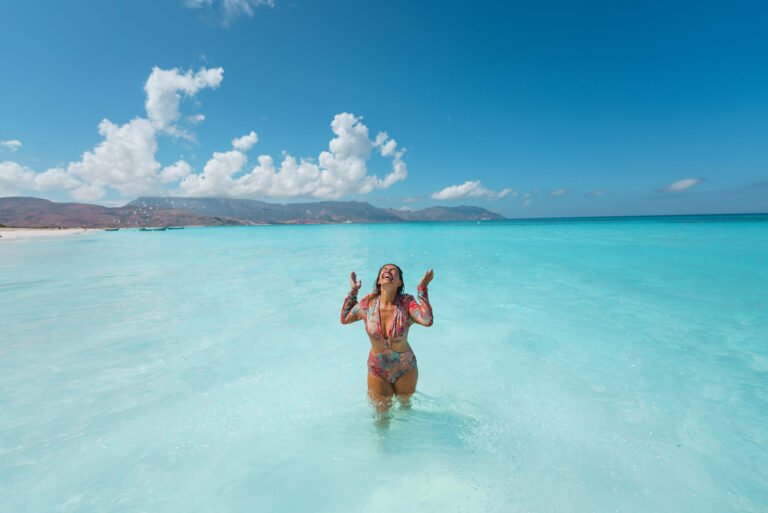
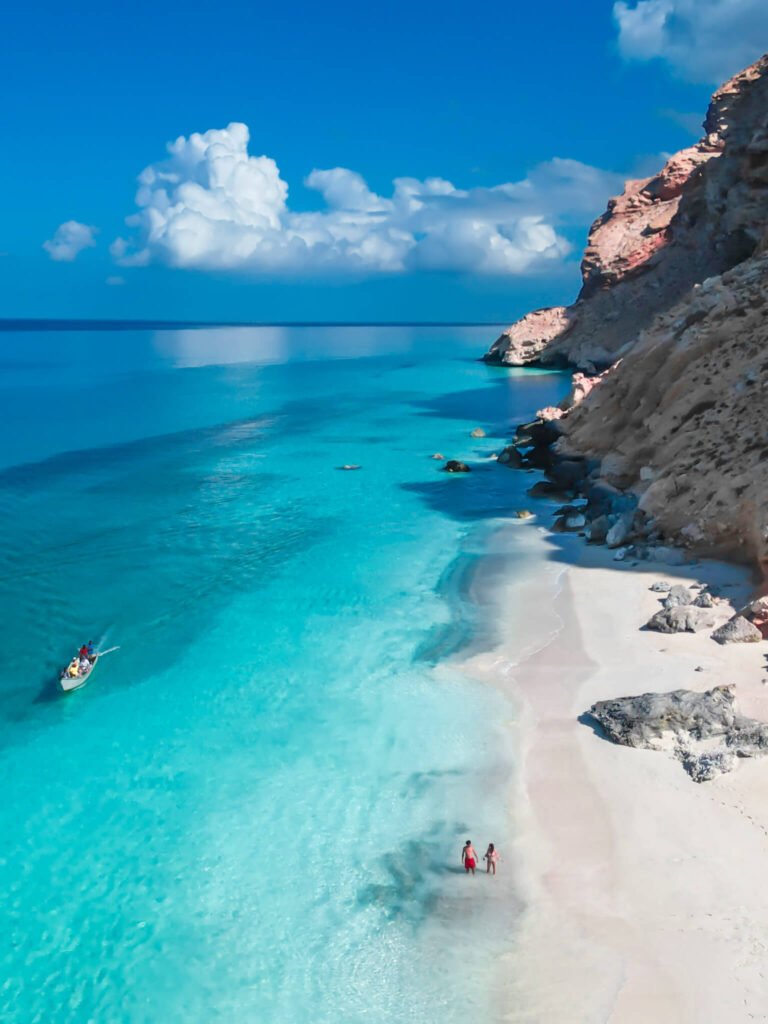
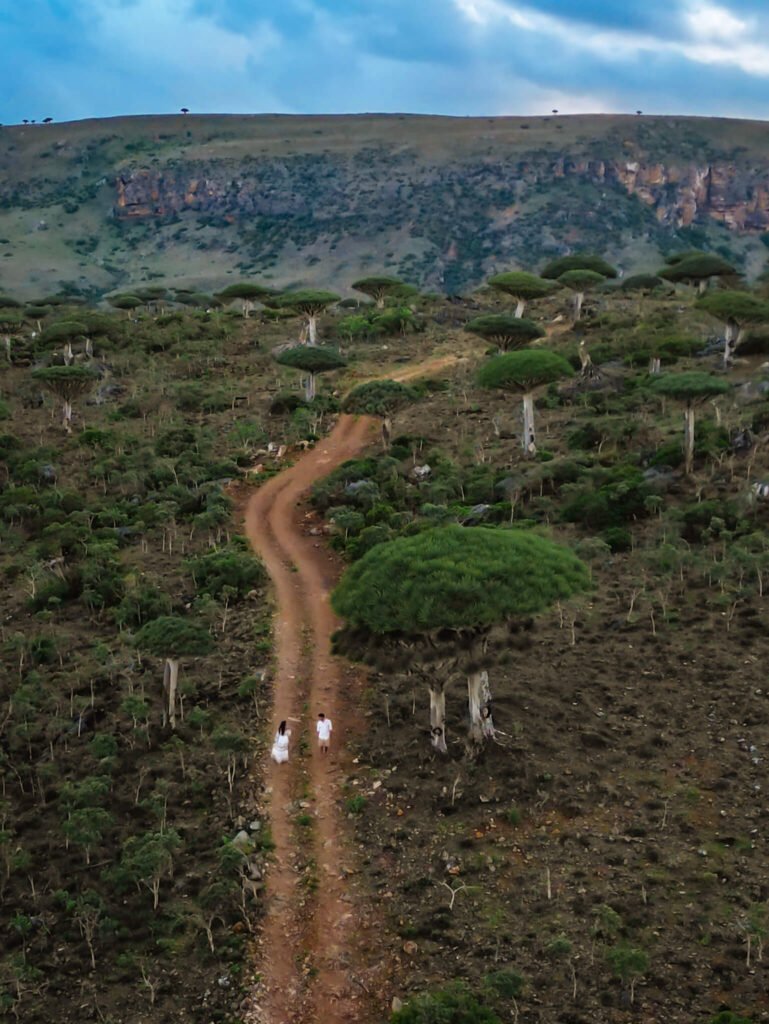
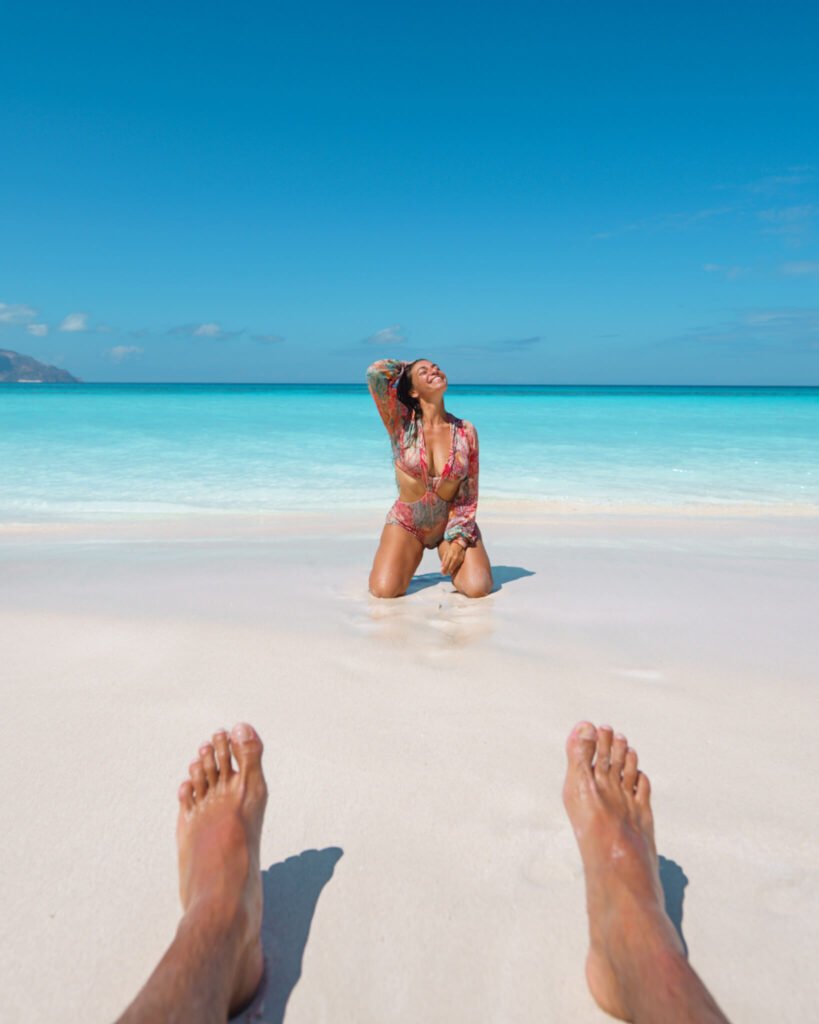
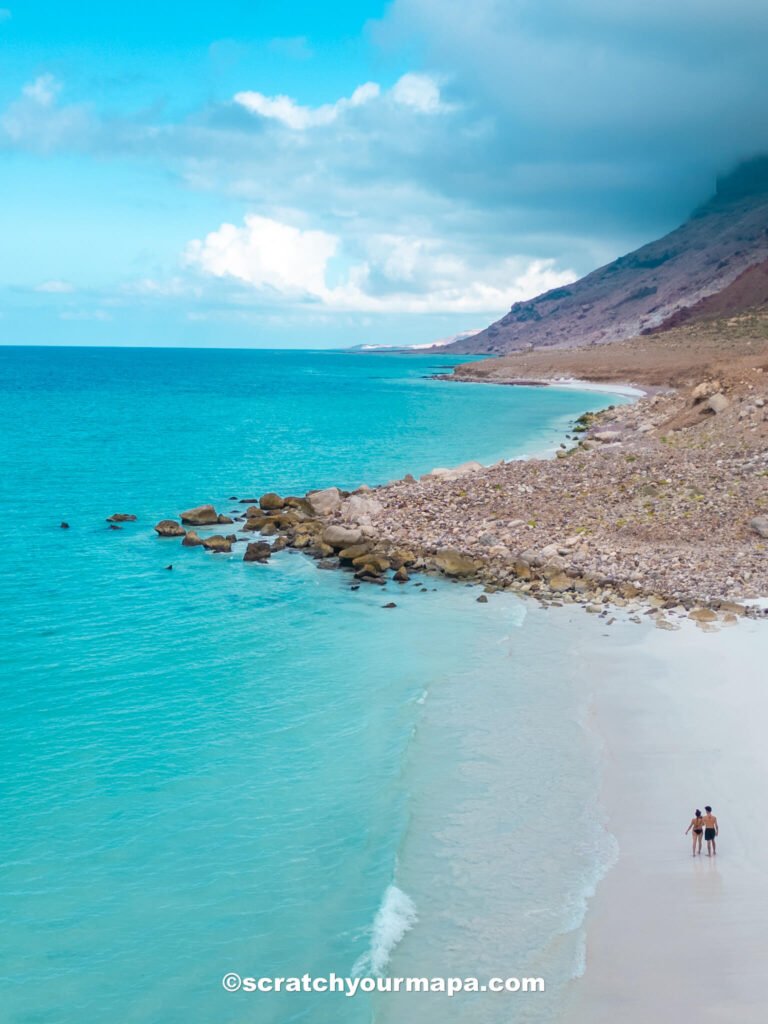
Socotra is one of the most photogenic places we’ve ever visited, with its otherworldly dragon blood trees, enormous sand dunes, turquoise lagoons, and rugged coastlines. If you’re looking for pictures of Socotra before planning your trip, you’ll quickly see just how unique this island is. But capturing those landscapes in person is an entirely different experience, and a little planning can make a huge difference in the photos you bring home.
During our trip, we learned that great Socotra photography isn’t just about having the right camera. Knowing when to shoot, finding the best viewpoints, and making the most of the island’s incredible night skies are just as important. We also had to adapt when our 24–70mm lens broke before the trip, which taught us a lot about working with the equipment we had.
In this guide, we’re sharing our best photography tips for Socotra, including the locations we loved photographing, the camera gear we’d recommend bringing, and the practical things you need to know about shooting in a remote destination with limited electricity and plenty of dust and sand.
Want to save the article for later? Pin it!
*Please note that this blog post may contain some affiliate links, which we make a small profit on, at zero cost to you. Links are only used on products & services that we’ve used and believe in, to give you the best buying experience. Purchasing from these links helps us to continue providing free travel guides for you- so thank you for your support!
Our Travel Planning Recommendations
Basic Info for Socotra Photography
Socotra offers a huge variety of photography opportunities, but the remote setting means you’ll want to prepare before arriving. Whether you’re bringing a professional camera setup or planning to take most of your photos on your phone, here are two things to consider before getting started.
📸 Is Socotra Good for Photography?
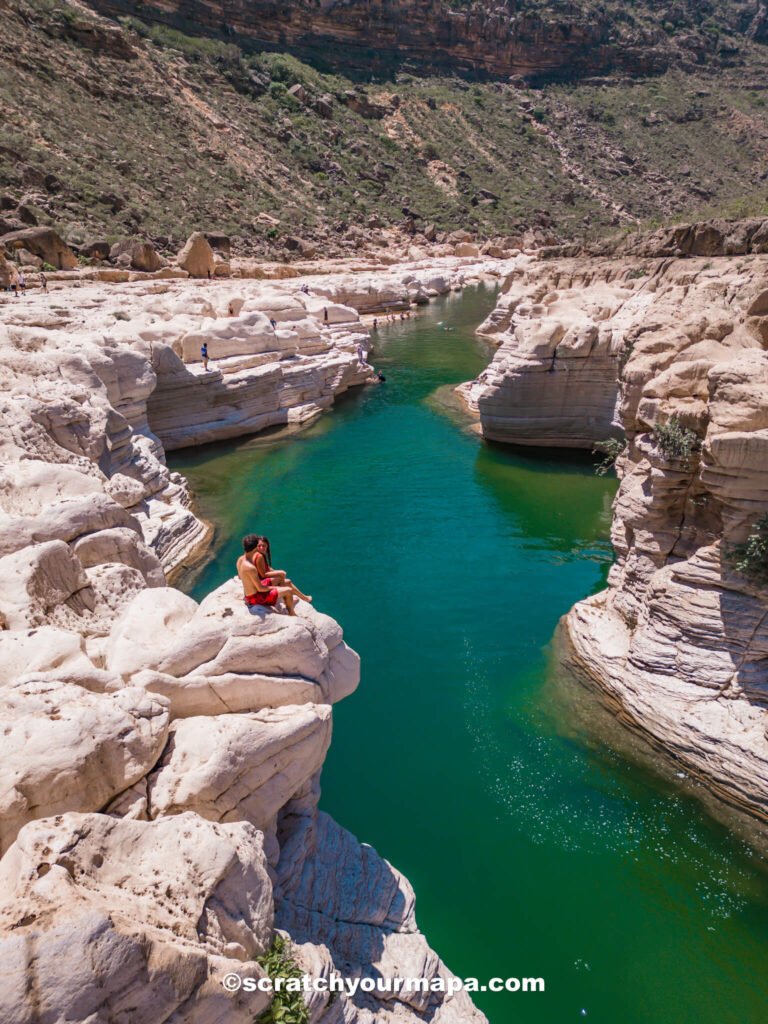
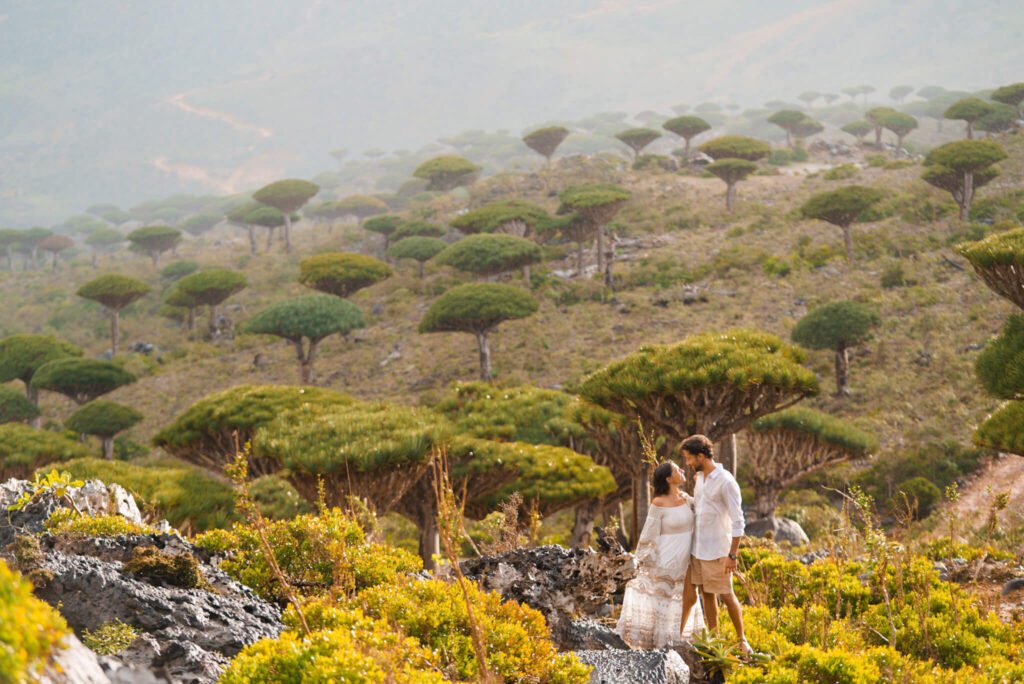
Socotra is a phenomenal destination for photography because its landscapes are so different from what you’ll find in most other places. From the distinctive shapes of the dragon blood trees to towering dunes, dramatic caves, and bright turquoise water, there are opportunities for landscape, wildlife, and adventure photography throughout the island.
It’s also an excellent destination for astrophotography thanks to its remote location and dark skies. The main challenge isn’t finding things to photograph, but making enough time to capture them properly while following your tour itinerary.
Suggested Read: Is Socotra Worth Visiting? Here’s What No One Tells You
🎒 What Photography Equipment Should You Bring to Socotra?
While the island of Socotra can be captured stunningly with any equipment, the gear you choose can definitely make a big difference in the pictures of Socotra you end up with
You’ll want versatile lenses for the island’s different landscapes, a tripod for night photography, and a way to keep your equipment charged and your files backed up.
Dust, sand, limited electricity, and long drives also make practical accessories particularly important. Even if you don’t have a professional camera, bringing a power bank, a protective bag, and a reliable way to back up your photos can make your trip much easier.

30 Items for Creative Photography and Better Content Creation on Social Media
Explore our top gear picks so that you can get incredible photos!
How to Capture the Best Pictures of Socotra
Having the right equipment helps, but knowing how to use your time and work with the landscapes makes an even bigger difference with Socotra photography. These are the techniques and locations we’d prioritize if we were planning another trip to Socotra.
🌅 Plan for Both Sunrise and Sunset
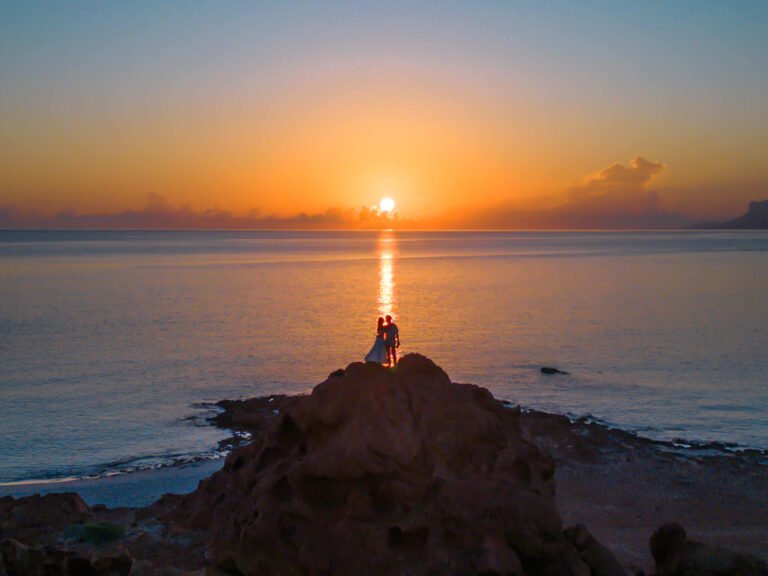
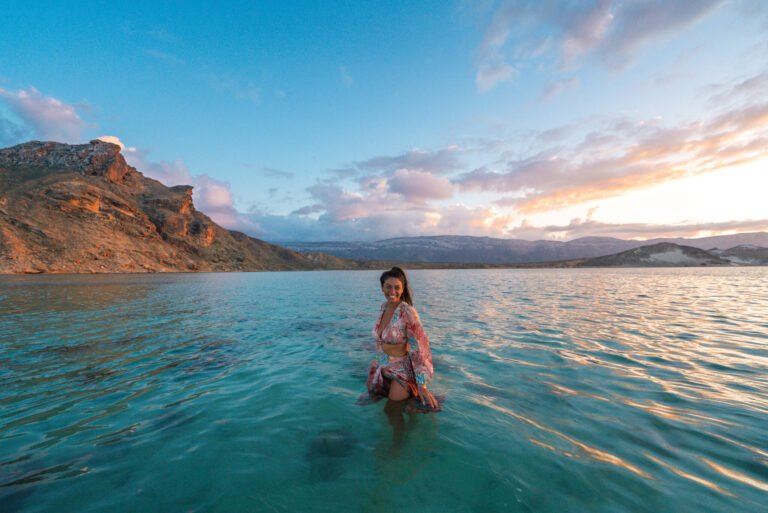
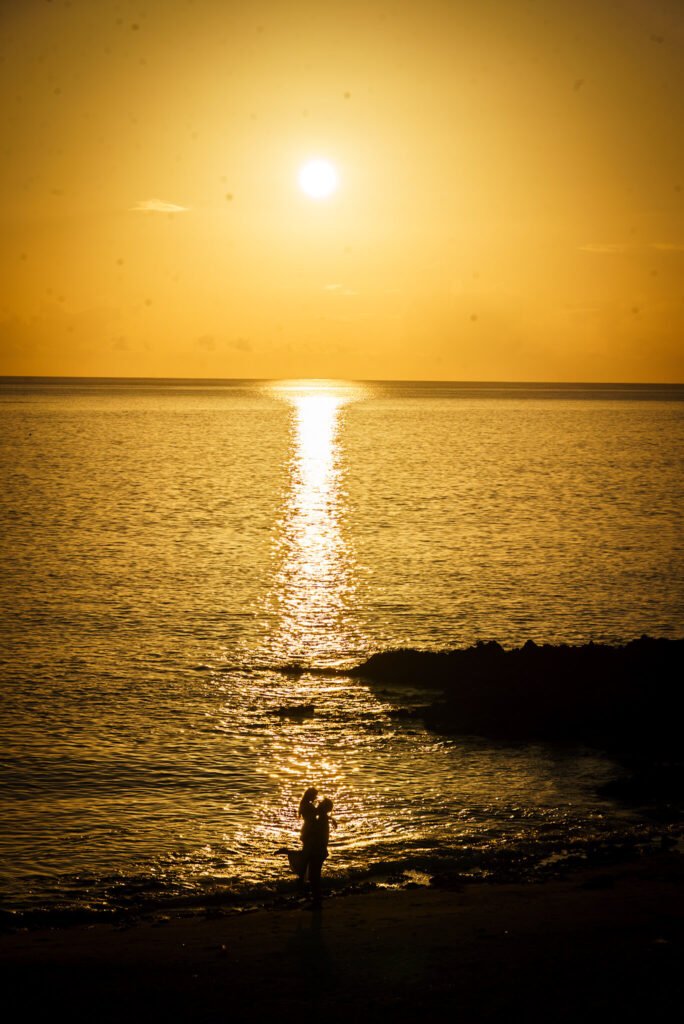
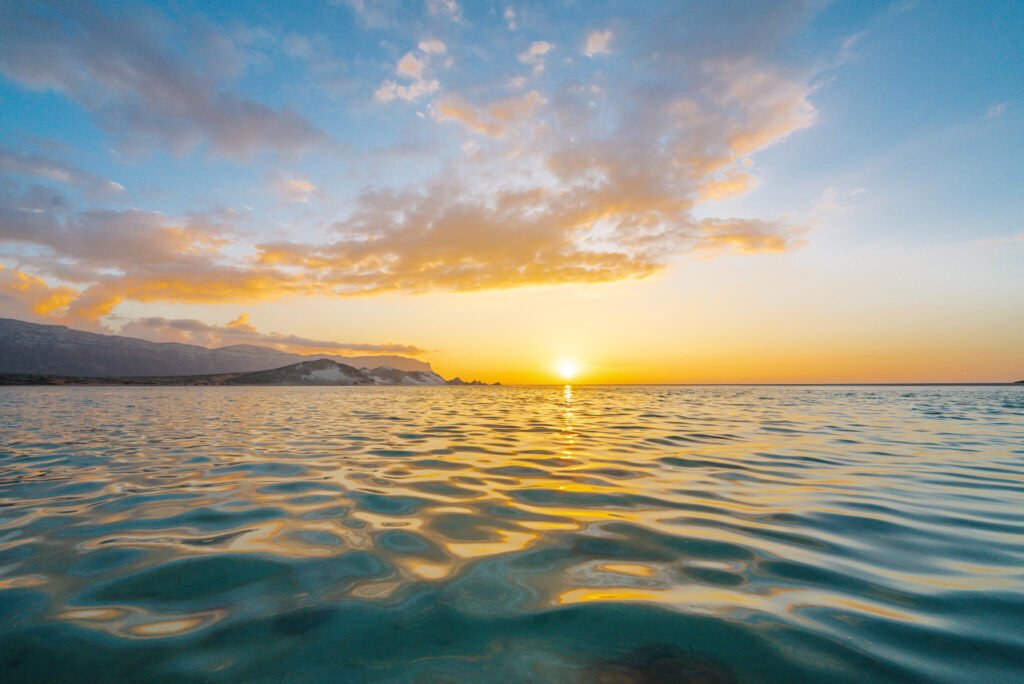
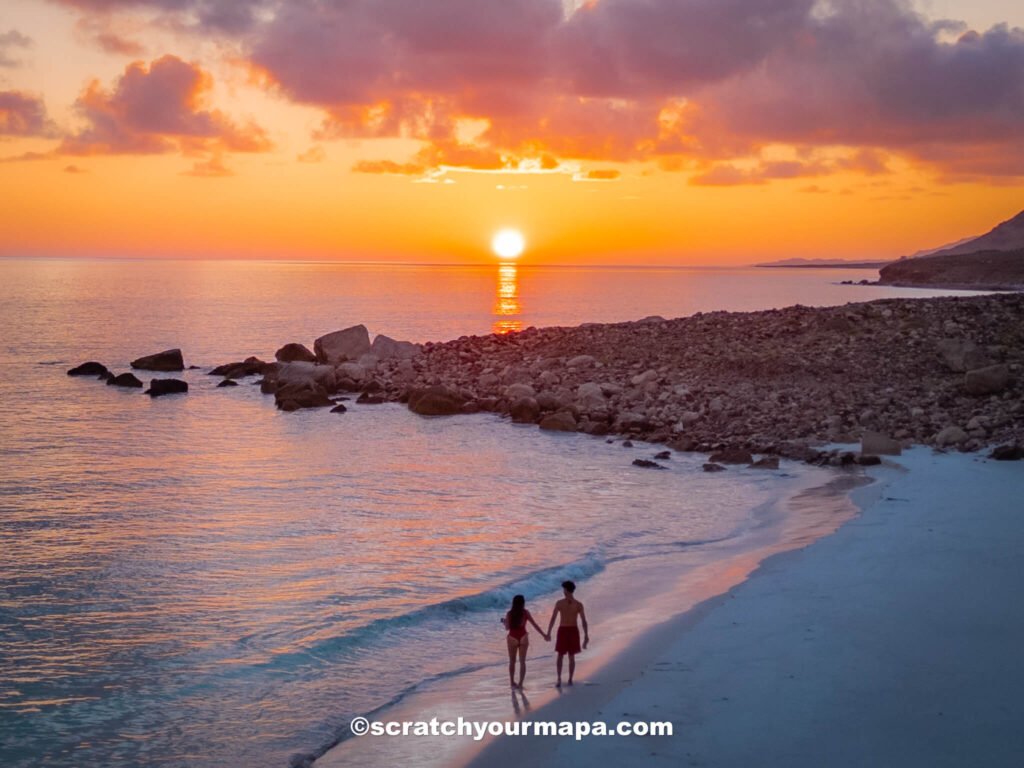
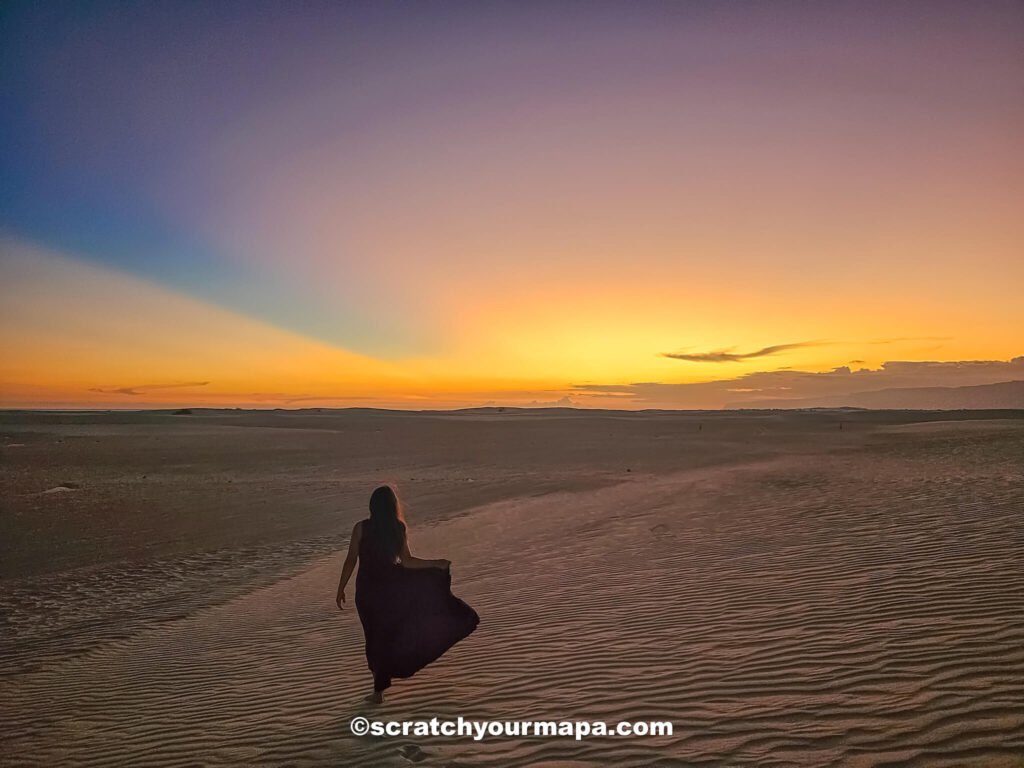
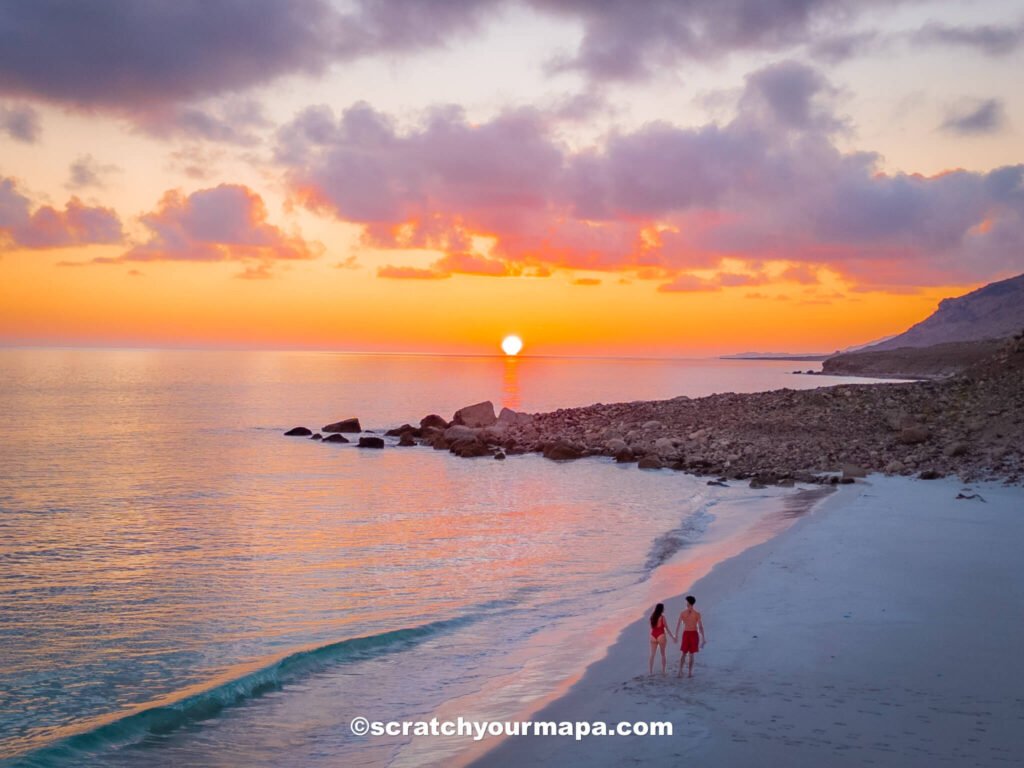
Sunrise and sunset are some of the best times to capture pictures of Socotra, thanks to the softer light and beautiful colors across the island’s landscapes. Most tours plan sunset at the campsite, but that doesn’t always mean you’ll have the best view.
When we stayed near Arher, we noticed that we’d have great sunrise views, but wanted to find a different place that would show off the sunset more. Our guides arranged a hike toward the tip of the island because the sunset was visible from there, and wasn’t too far away. Paying attention to these details lets you have more control over your photos, and your itinerary.
We also recommend planning for sunrise, even if it’s not included in your tour itinerary. The island is especially peaceful early in the morning, and the light can be magical. Many campsites alone will have spectacular sunrise opportunities. But if you’re in a place that doesn’t face east, you can also ask your guide if you can arrange an early start or hike to a better viewpoint.
💡 With our private tours to Socotra, you can actually make adjustments to your itinerary, so that you can spend time in the places that interest you the most!
Upgrade Your Inspo
Get the best travel tips, tricks, and hidden gems sent directly to your inbox. You’ll become a better traveler, week after week.
Upgrade Your Inspo
Get the best travel tips, tricks, and hidden gems sent directly to your inbox. You’ll become a better traveler, week after week.
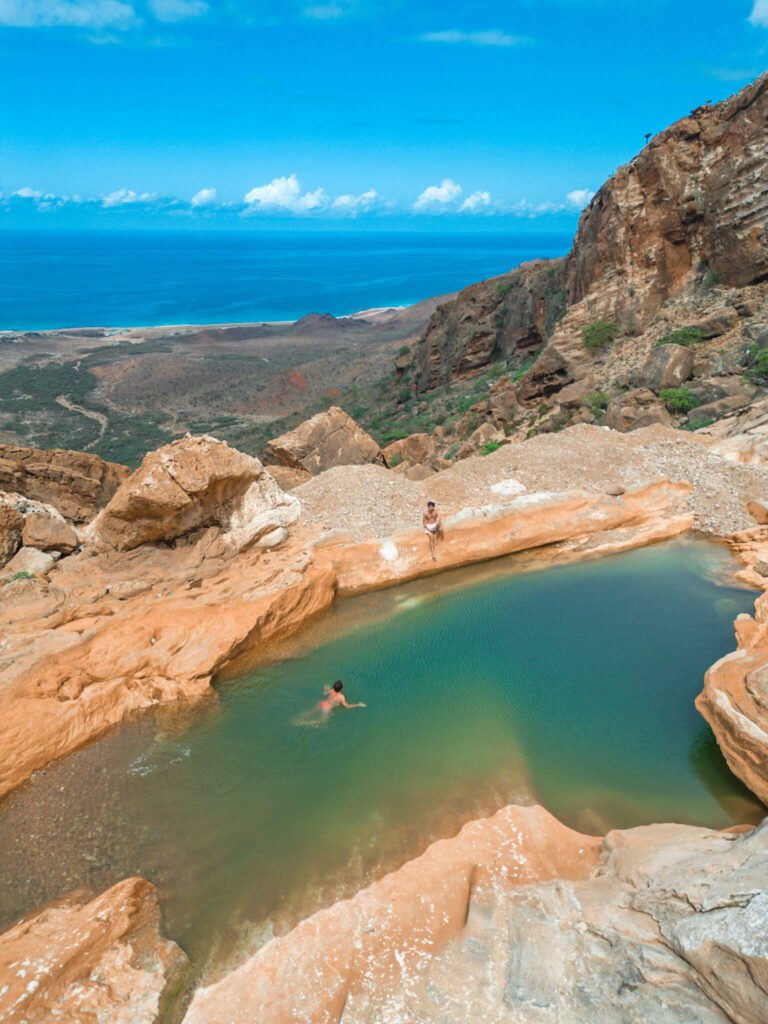
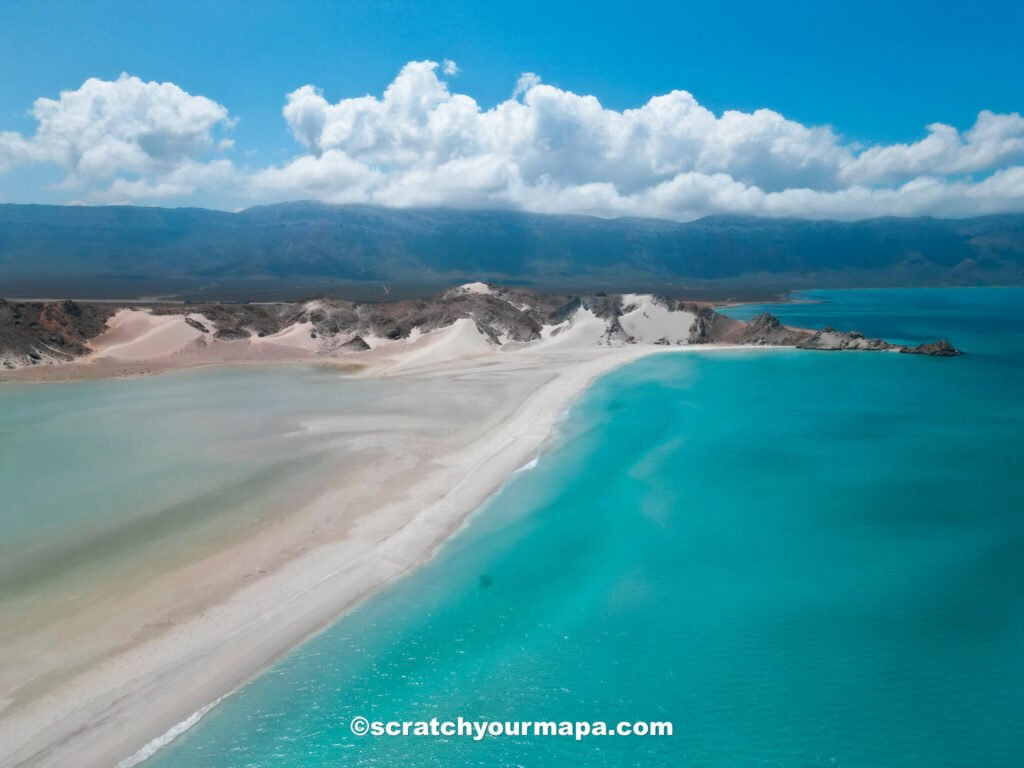
🏝️ Focus on Socotra’s Most Photogenic Places
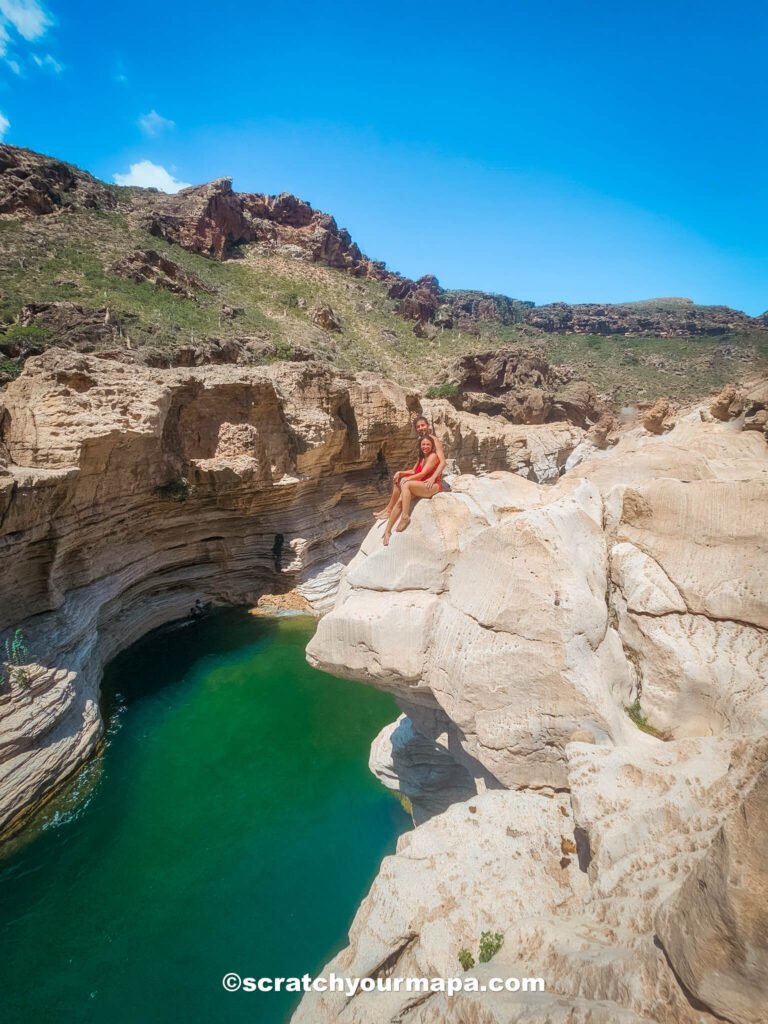
There are incredible photo opportunities all over Socotra, but some locations offer particularly impressive landscapes you’ll want to make extra efforts for. If you want to capture a variety of images, think about how each place differs and what kind of photography it lends itself to.
We recommend checking out our guide to the best places to visit in Socotra for more information about these locations and how to include them in your itinerary.
Suggested Read: 23 Fascinating Things to Do in Socotra, Yemen
🌌 Make Time for Astrophotography
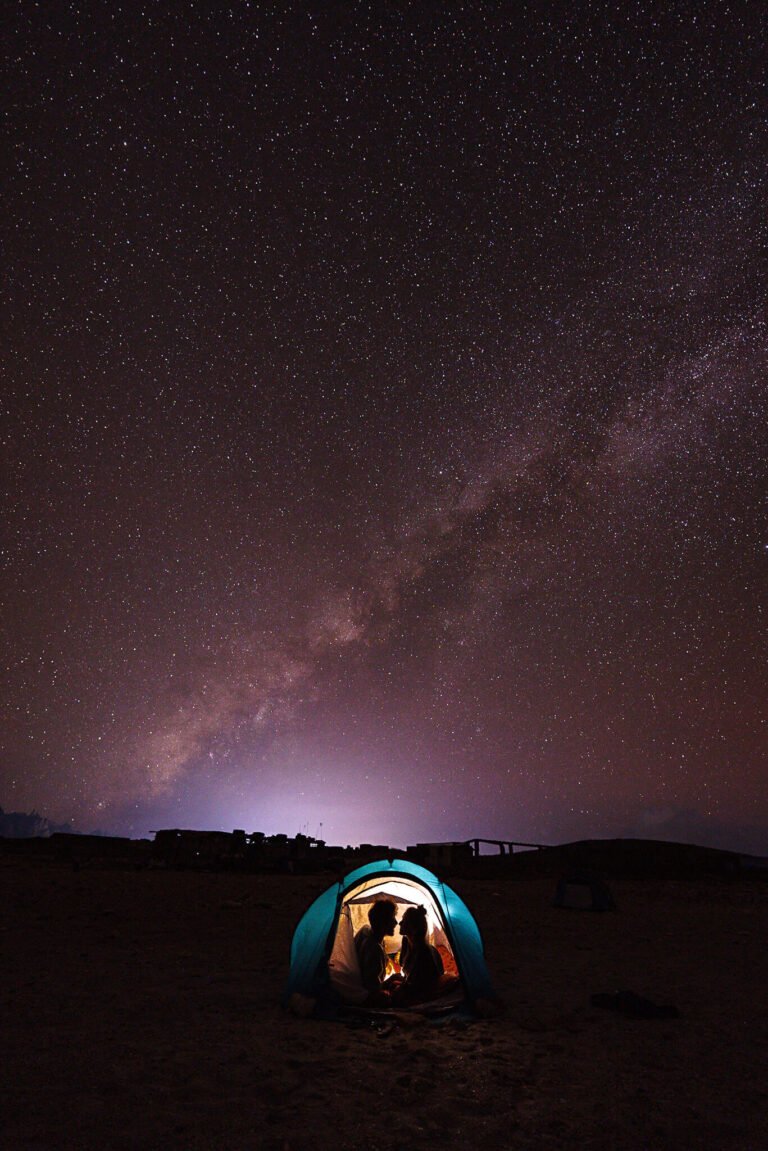
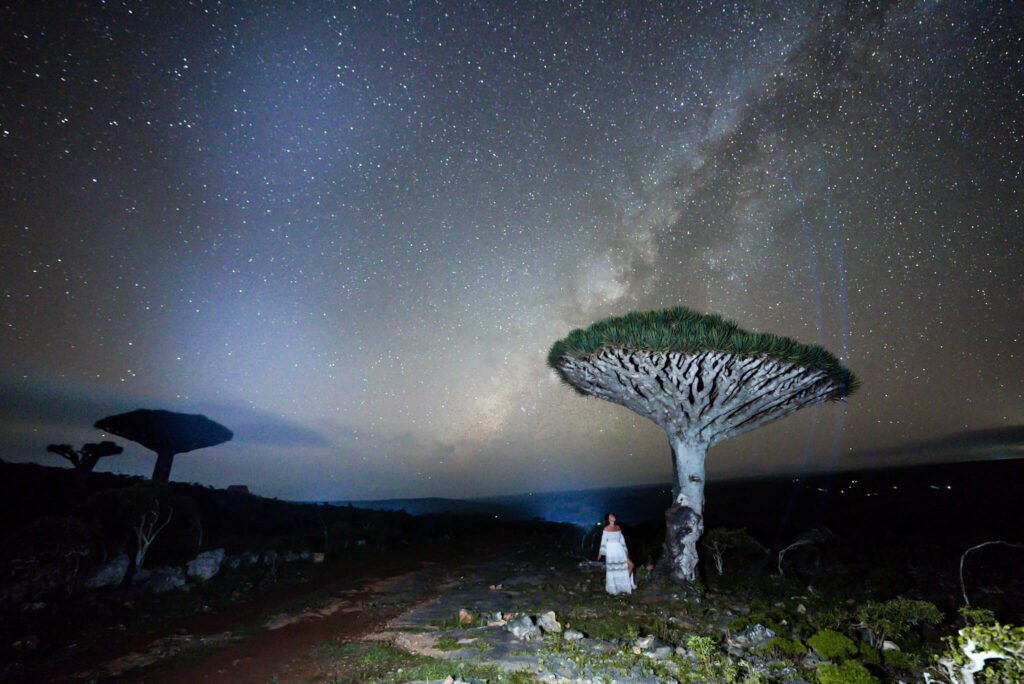
Astrophotography is one of the things we’d most recommend prioritizing on Socotra. The island’s remote setting offers opportunities to enjoy incredibly dark skies away from the bright lights of major cities, making it an amazing place to photograph stars and, when conditions align, the Milky Way.
We’d typically do our astrophotography after dinner before bed, but if you truly want the best shots, you’ll want to keep an eye out for timing for the Milky Way, as well as when the moon sets. We’d also recommend choosing which spots you want to shoot ahead of time, and see if you can arrange shooting with your guide.
Here are a few things to keep in mind:
Even if you’re not an experienced astrophotographer, it’s worth trying! Just remember that clear skies aren’t guaranteed, so treat it as an opportunity rather than something to build your entire trip around.

📐 Experiment With Composition and Scale
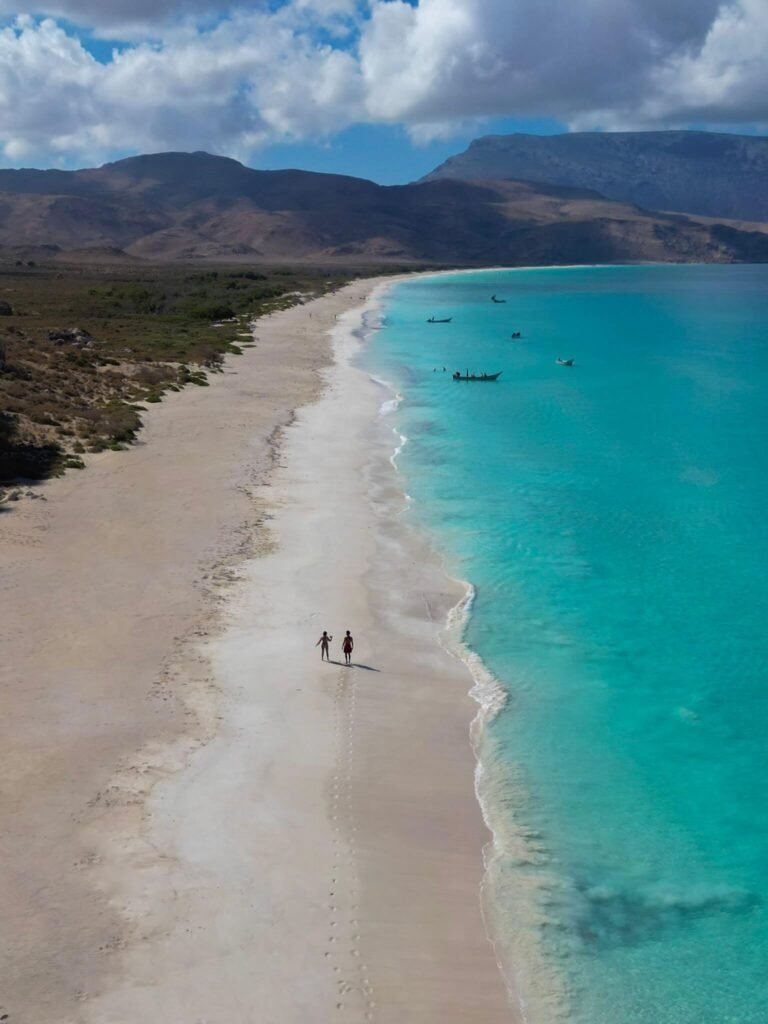
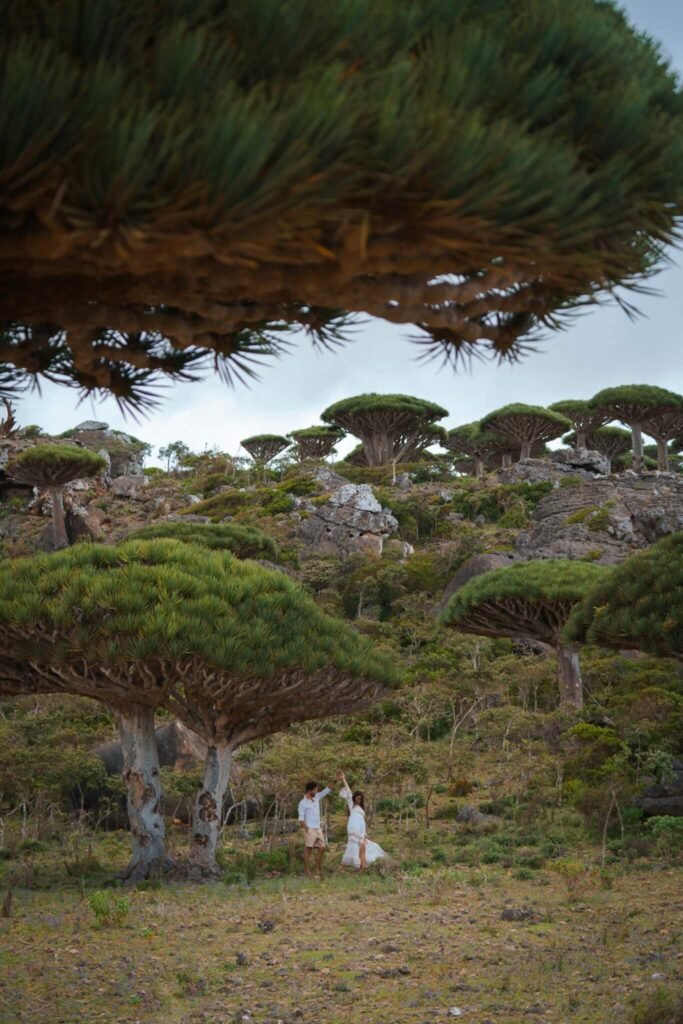
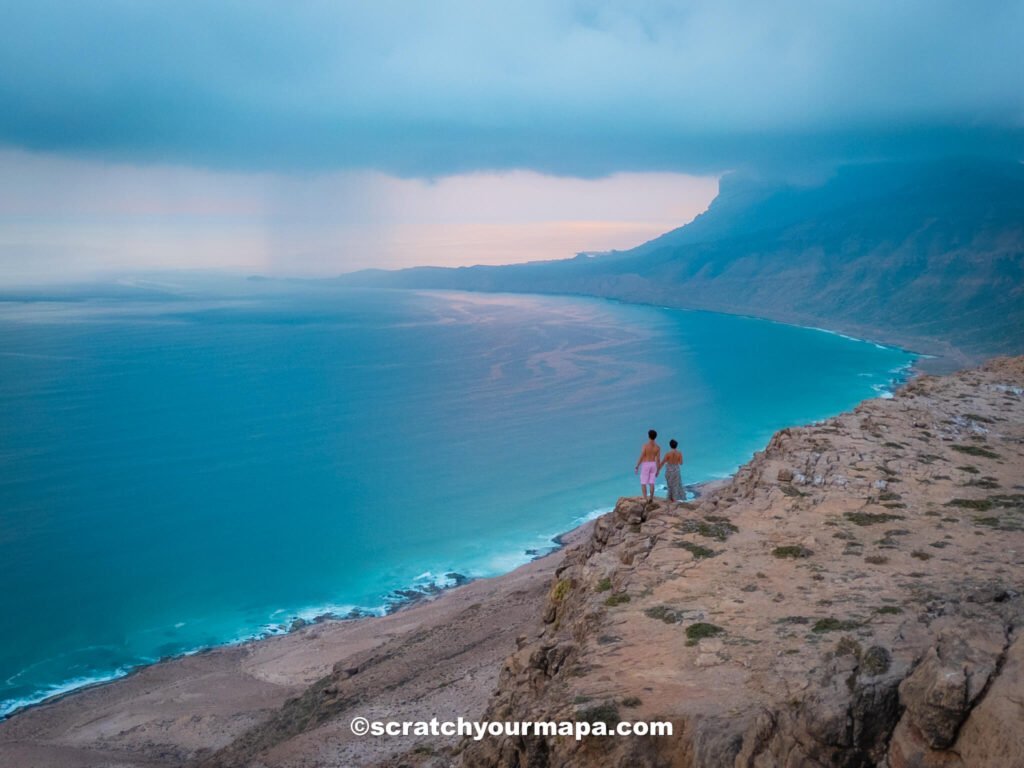
Socotra’s landscapes can be enormous, and it’s easy to take a wide photo that looks beautiful in person but doesn’t quite communicate the scale of what you’re seeing. Try including something recognizable, such as a person, tree, or tent, to give the viewer a better sense of the landscape’s size.
We also recommend photographing the same place in a few different ways. Take a wide shot to capture the overall scenery, then look for smaller details, interesting textures, and tighter compositions. Dragon blood trees, for example, can look completely different depending on whether you photograph the whole tree against the sky or focus on its distinctive branches.
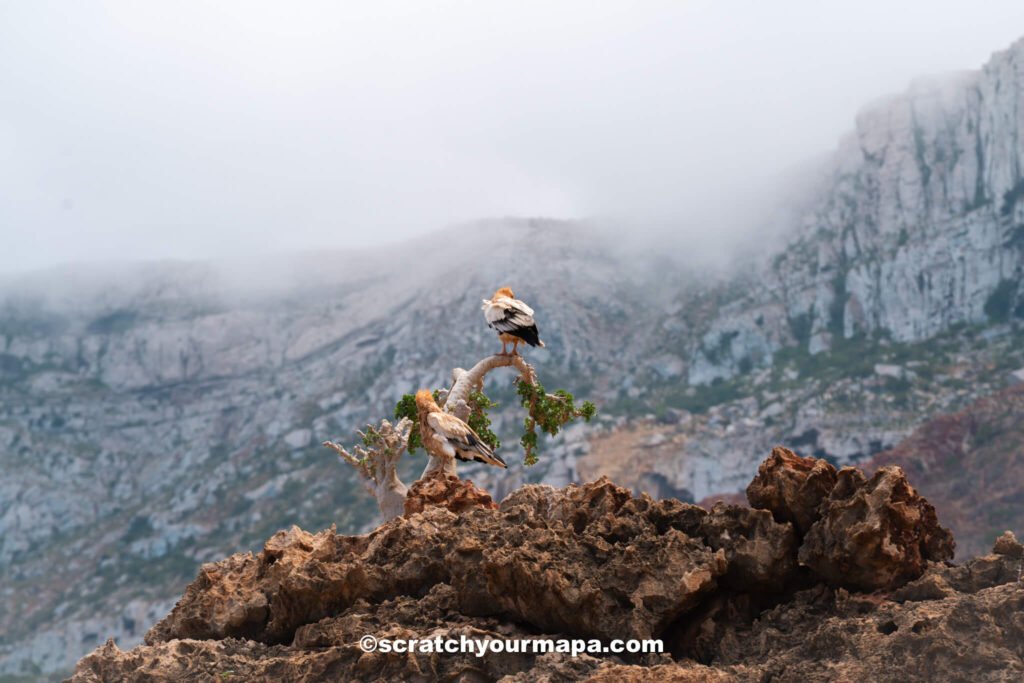
Don’t be afraid to experiment with your lenses, either. A wide-angle lens can emphasize the foreground and make a landscape feel expansive, while a telephoto lens can compress distant layers of mountains or dunes to create a completely different look. Sometimes the best pictures of Socotra aren’t the most obvious panoramic view, but a smaller detail you include in your image to make it memorable.
The Best Camera Gear for Socotra
You don’t need the most expensive camera setup to take incredible pictures of Socotra, but bringing the right equipment will certainly give you more flexibility and creative ability. Since you’ll encounter everything from wide-open landscapes to caves, wildlife, and night skies, we recommend thinking about versatility rather than packing equipment for just one type of shot.
📷 Which Lenses Should You Bring?
If you’re bringing a dedicated camera, we’d recommend having a wide-angle lens, a telephoto lens, and something in between for everyday shooting.
We actually had our 24–70mm lens break just before our trip, so we had to make do without it. We were still able to capture plenty of great photos, but it reinforced how useful a versatile everyday lens can be.
We also found ourselves keeping the telephoto lens on during scenic drives. Socotra has so many beautiful landscapes along the way, and having a telephoto lens ready allowed us to photograph distant scenery and wildlife without constantly changing lenses. If you enjoy landscape photography, don’t underestimate the opportunities you might find between scheduled stops.
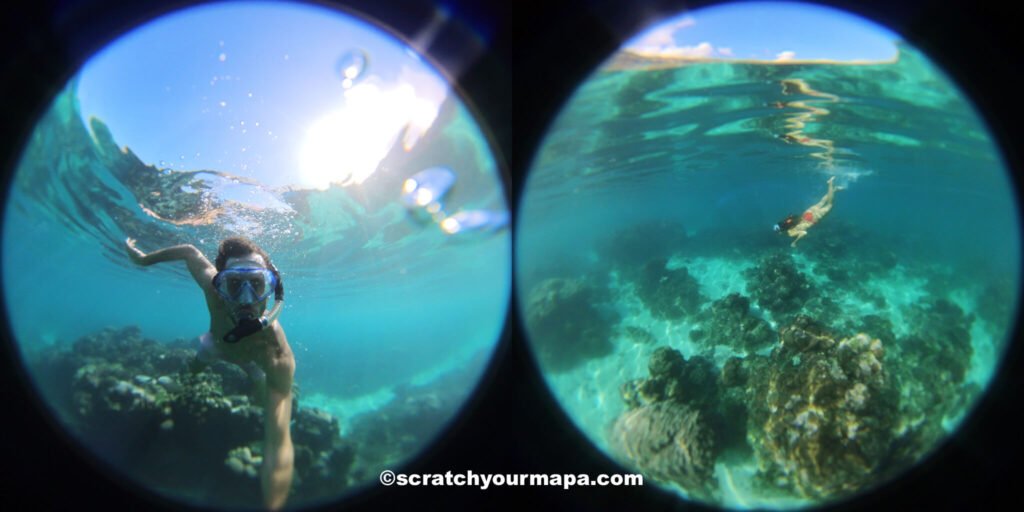
🎥 Bring a GoPro or Insta360
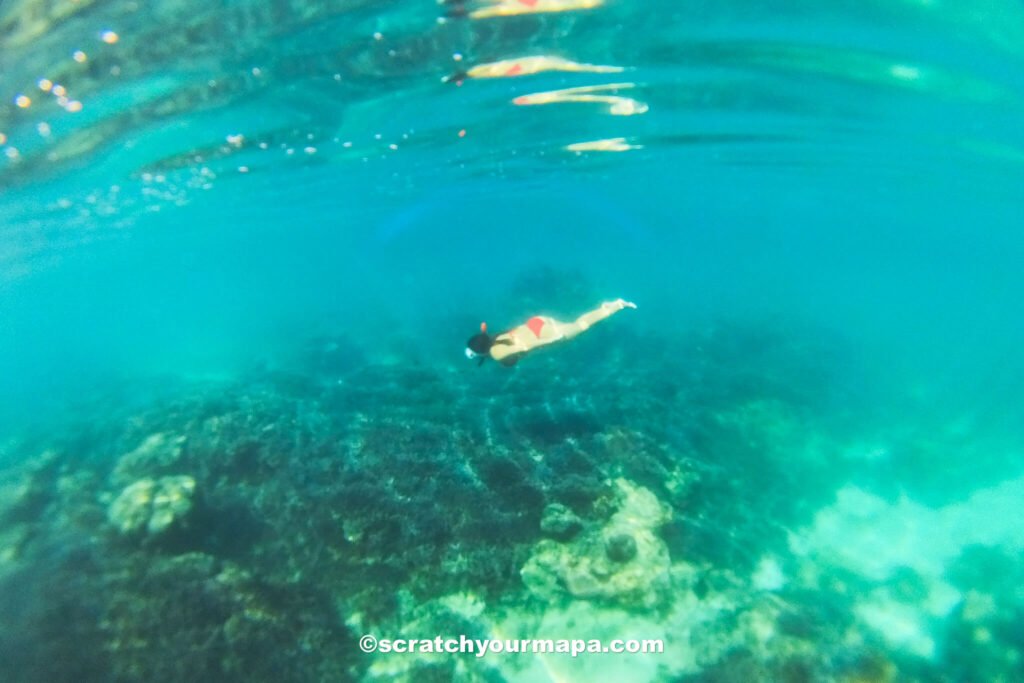
An action camera or 360-degree camera is a great addition to your photography gear if you plan on capturing your time in the water. Tours in Socotra typically include snorkeling, swimming in the wadis, or and being on boats.
We recommend bringing a GoPro-style action camera for underwater footage, as well as point-of-view videos. An Insta360 can be particularly fun if you want to capture a full scene and decide on the framing later, or if you want to capture two views at once (like you can see below).
These cameras are also useful when you don’t want to risk getting your main camera wet or sandy. Just check the manufacturer’s waterproofing requirements, since some cameras need separate housing for certain depths or conditions.
🦵 Bring a Tripod
A tripod is essential for astrophotography, but it can also be useful throughout your trip. It allows you to take sharp long exposures, photograph landscapes in low light, and capture self-portraits without asking someone else to take the photo.
Our guides helped us take photos during many activities, which was great, but having our own tripod gave us a backup and more confidence in the outcome. It was particularly helpful when we wanted to venture away from the group or take our time setting up a shot.
For Socotra photography, we’d choose a tripod that’s sturdy enough for long exposures but still manageable to transport. Wind can be strong in exposed areas, so make sure it’s stable before leaving your camera unattended.
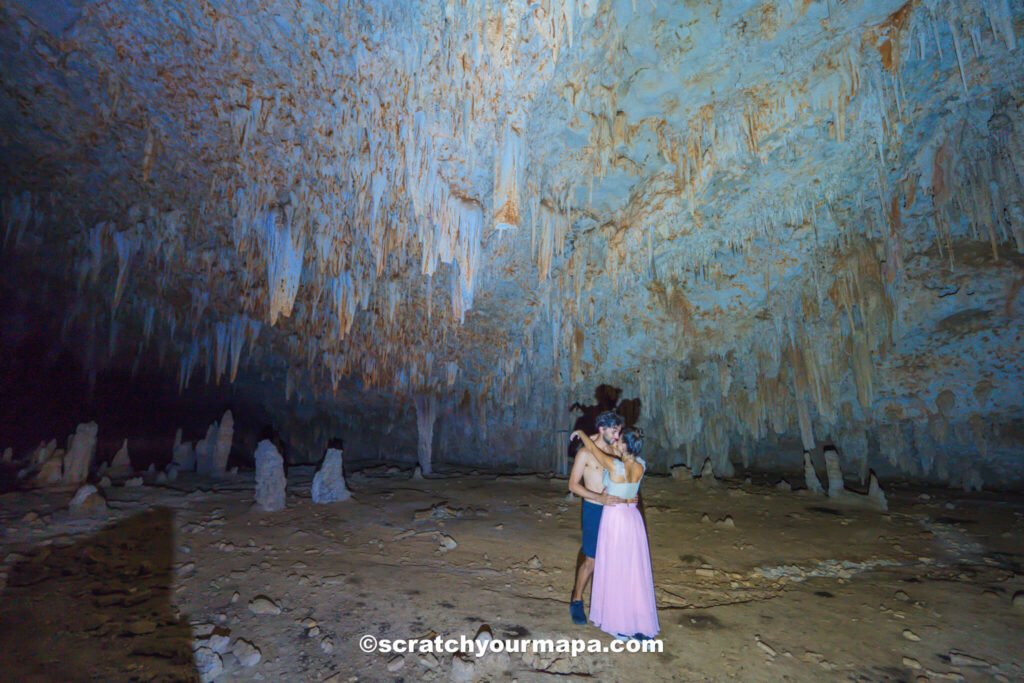
🧽 Bring a Lens-Cleaning Kit
Dust and sand are common challenges when photographing Socotra, particularly when you’re traveling between locations or spending time near dunes and the coast. A dirty lens can ruin an otherwise great photo, so a small cleaning kit is one of our favorite things to tell people to add to their Socotra packing list.
We recommend bringing:
💡 Avoid wiping dry sand directly across your lens, as this can scratch the glass or its coating. Remove loose particles first, and clean your equipment somewhere sheltered when possible.
🛡️ Protect Your Lenses When You’re Not Shooting
A lens cap and a protective pouch are simple but important items to bring. When you’re not actively taking photos, keep your lens capped and your equipment stored in a closed camera bag to reduce exposure to dust, sand, and accidental scratches.
This is particularly important when traveling in vehicles or walking through sandy areas. Try to avoid changing lenses in windy conditions, and keep your spare lenses protected until you need them.
If you carry several lenses, storing them in individual padded compartments will also help prevent them from knocking against each other during the trip.

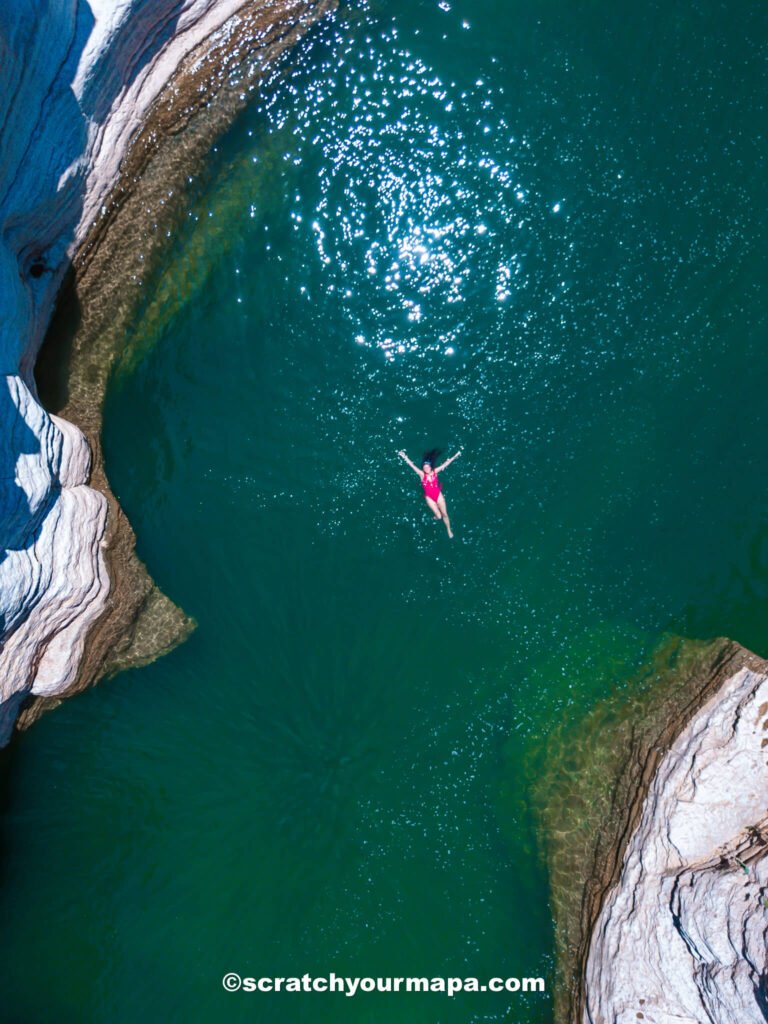
🚁 Can You Fly a Drone in Socotra?
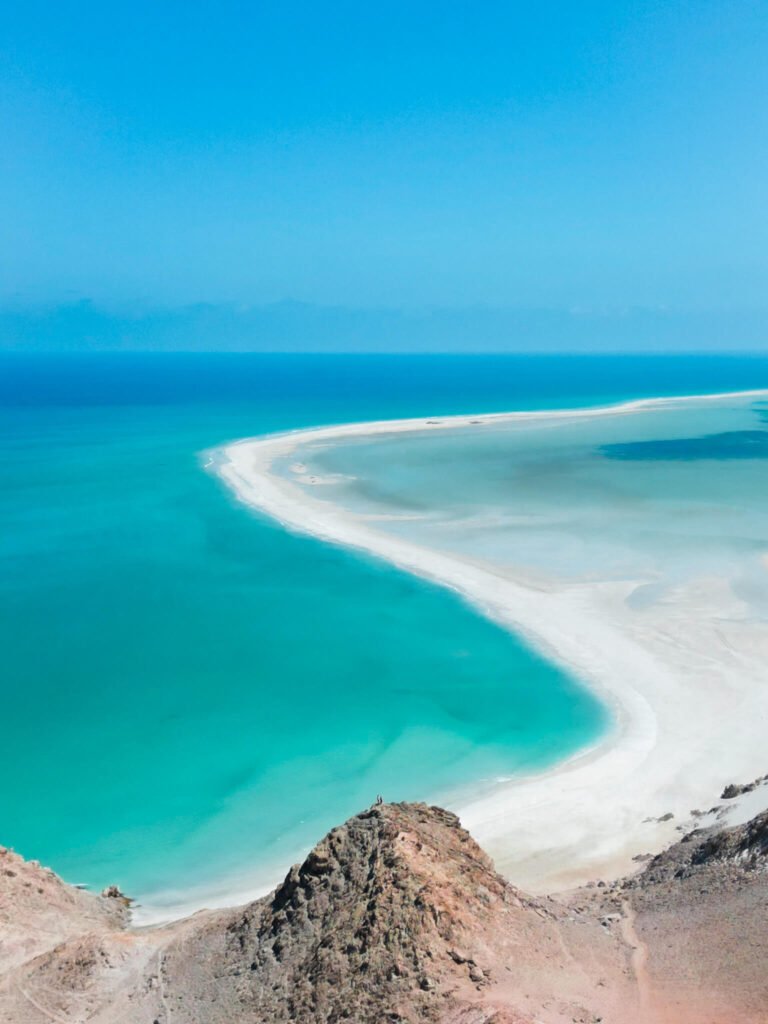
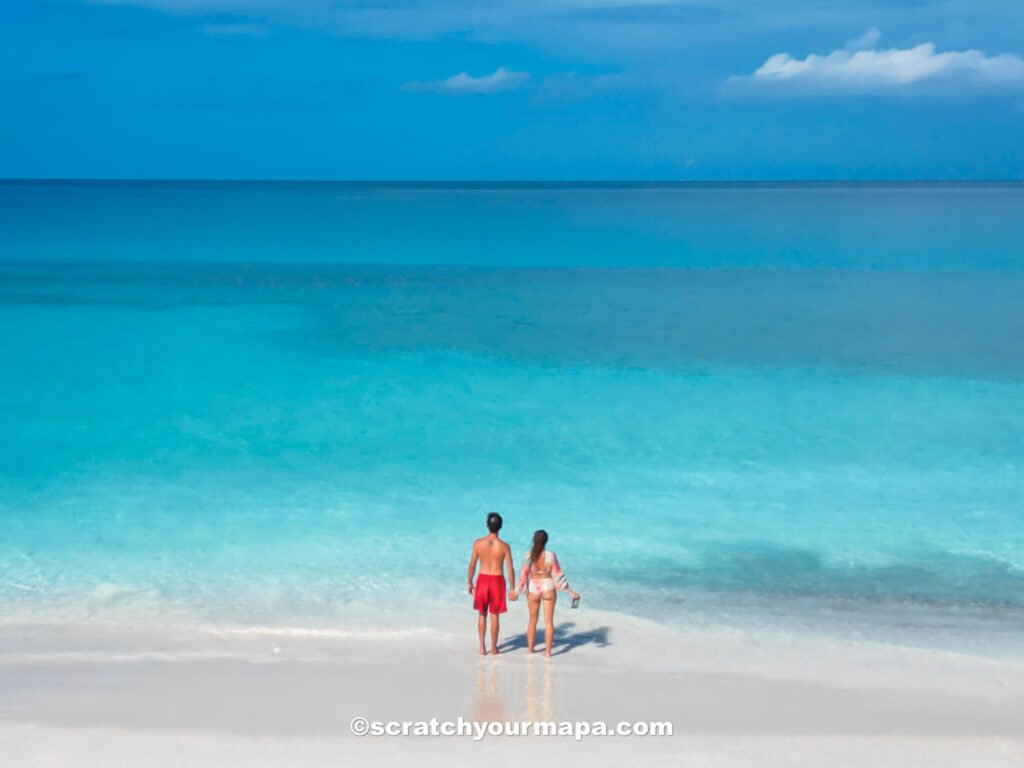
Drones are truly one of our favorite types of photography, and our favorite pictures in Socotra were definitely the ones we took from above!
We didn’t need special permission for the drone when we went, but it’s always a good idea to double check since laws for drones are always changing.
Drones are a sensitive topic in the Middle East, so it’s important to fly in open areas far from where people live, and to be mindful of your surroundings. Many airports in the Middle East also confiscate drones, so we recommend checking each airport you’ll be flying in and out of before and after your trip to Socotra.
🗂️ Back Up Your Photos Every Night
If there’s one practical habit we’d recommend to every photographer visiting Socotra, it’s backing up your photos at the end of each day.
We suggest doing this while you’re at the campsite waiting for dinner or after you’ve eaten. Making it part of your nightly routine means the process doesn’t take away from your shooting time, and you won’t arrive at the end of the trip with thousands of files still waiting to be backed up.
💾 Bring a Solid State Drive
We recommend using a portable solid-state drive (SSD) rather than relying on a traditional hard drive. SSDs have no moving mechanical parts, making them better suited to travel and the bumps that come with moving around a remote destination. However, no drive is completely failure-proof, so keeping a second copy on another device or drive is even safer if you have enough storage.
We also recommend waiting until you’re stationary to transfer your files. Socotra’s roads can be rocky, and trying to back up photos while driving is unnecessarily risky! if a cable disconnects or a device shifts during the transfer you could potentially lose all of the stunning Socotra photography you’ve worked so hard for.
At the end of each day, you can:
💡 A little organization each evening can save you a huge amount of stress and help protect the pictures of Socotra you worked so hard to capture.

🌊 Protect Your Gear Around Water
Socotra’s wadis, lagoons, and coastline offer some incredible opportunities for photography, but water and electronics aren’t a great combination. Even if your camera is weather-sealed, that doesn’t mean it’s waterproof.
Use a dry bag or suitable waterproof case when you’re swimming or taking equipment near the water. Keep your phone, spare batteries, and memory cards protected from splashes, and be especially careful around saltwater, which can cause corrosion.
For underwater photos and videos, use equipment designed for the depth and conditions you’ll encounter. It’s better to bring a dedicated action camera or suitable waterproof housing than to risk damaging your main camera.
Final Tips for Capturing the Best Pictures of Socotra Island
Socotra is an incredible destination for photographers, but sit’s definitely one of those places you need to be a bit prepared for. These are the main things we’d keep in mind before getting to Socotra:
Here are a few final tips we have for getting amazing pictures in Socotra:
Want to save the article for later? Pin it!
👀 What’s Next?
Now you know all about Socotra photography, and how to get the best pictures of Socotra island. We have plenty of other tips for you while visiting though!
Here are other Socotra guides we have:
⭐️ Is Socotra worth visiting?
🗺️ The best things to do in Socotra
👮🏻 Is Socotra island safe?
✈️ How to get to Socotra
🎒 Socotra packing list
⛵️ What a Socotra tour looks like
🏝️ Planning a trip to Socotra
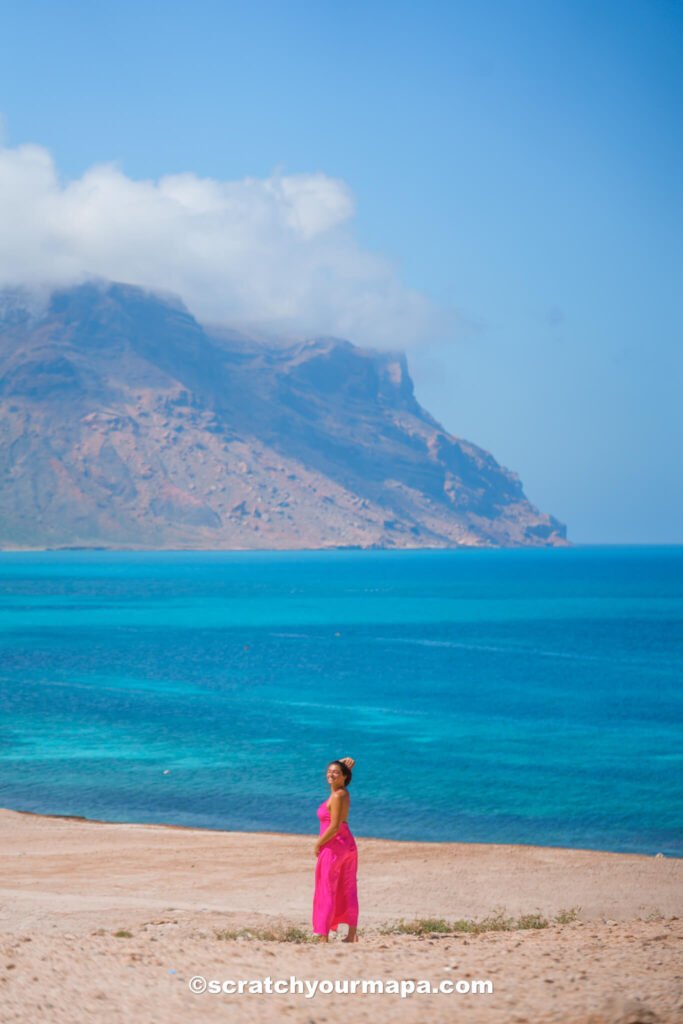
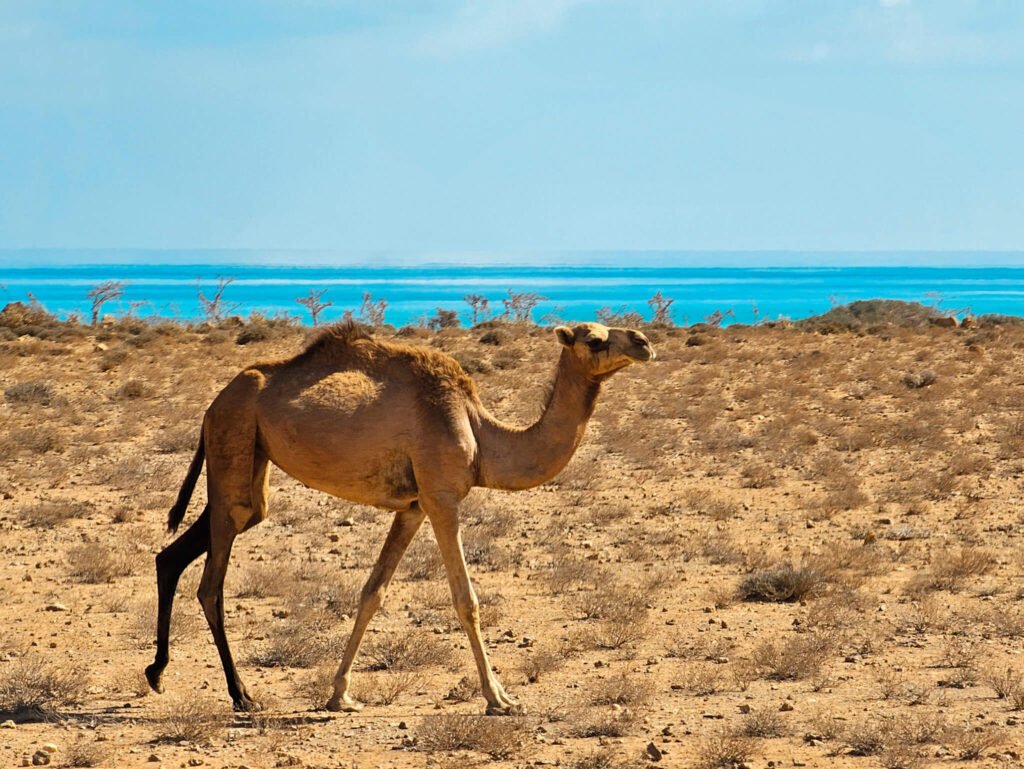
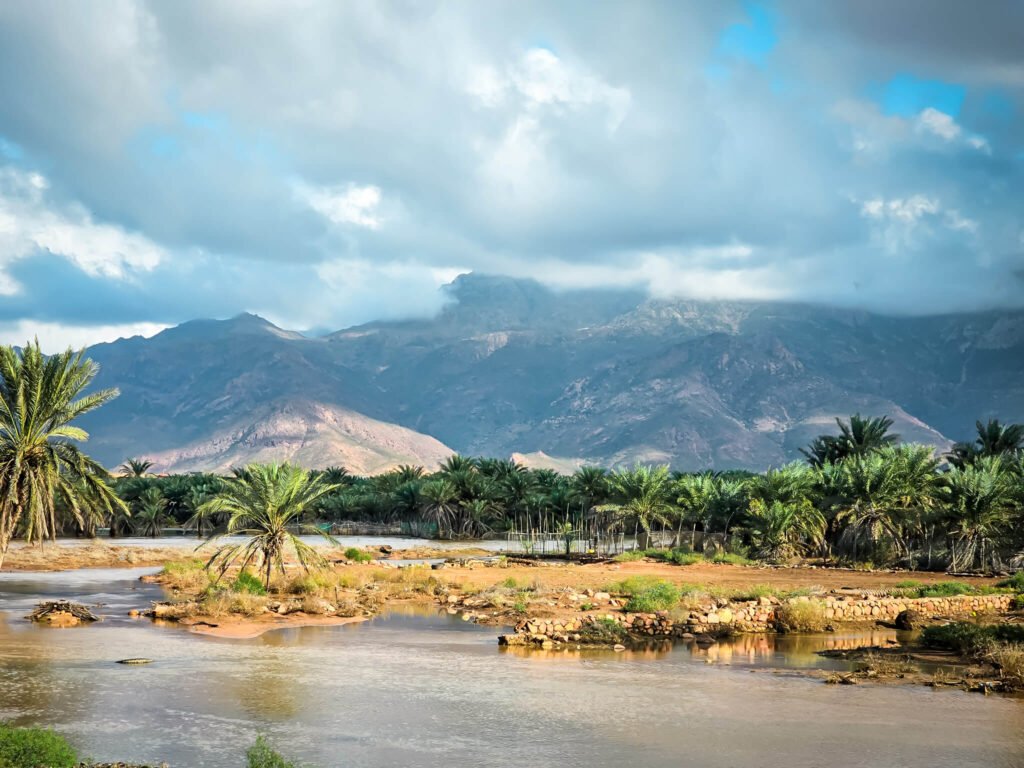
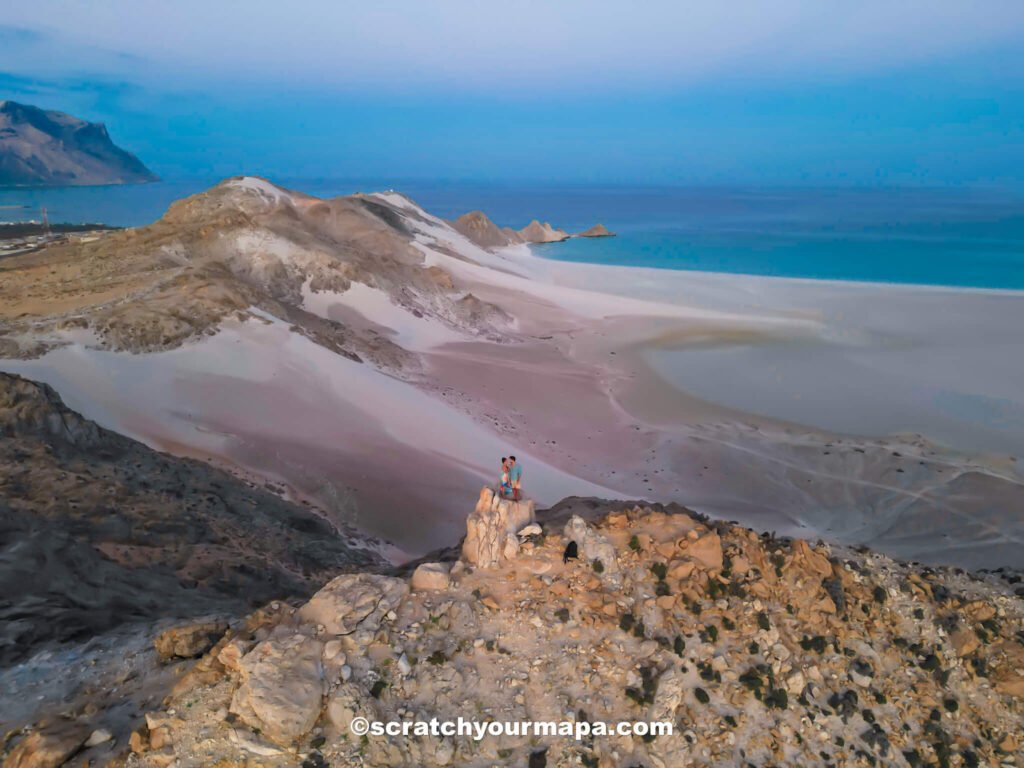
We hope you enjoyed our Socotra photography guide, and that you enjoy capturing the beauty of the island as much as we did. If you need help planning your trip there, please let us know!
Want to learn more about visiting Socotra? We have a few other Socotra Travel Guides for you, as well as new ones coming up every week! Make sure to subscribe to our newsletter so that you’re able to stay up to date with our most recent articles, and get special discounts on our shop.
Ready to start planning an incredible trip to Socotra? Well, we’re here to help! Scratch Your Mapa offers customized travel planning, so you can skip all the tedious work, and simply enjoy your trip. Take a look at our travel planning packages we have, or simply email us to get started today!

Here are some other guides you’ll love: