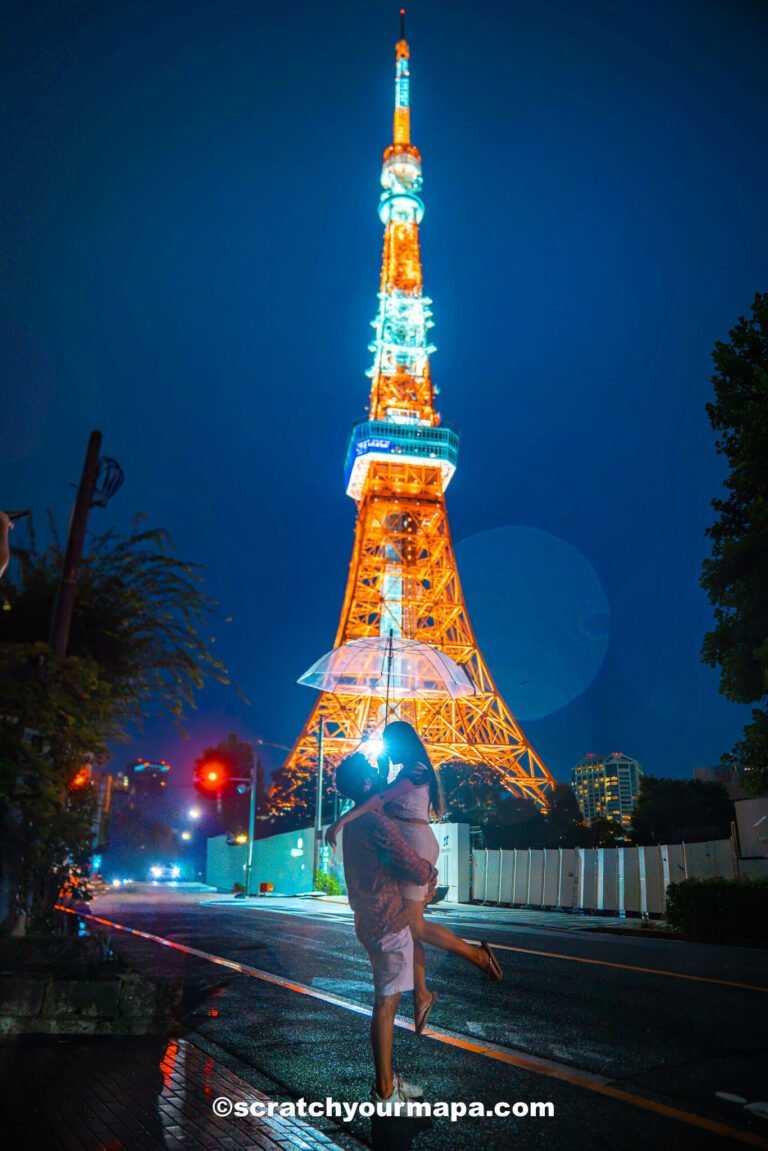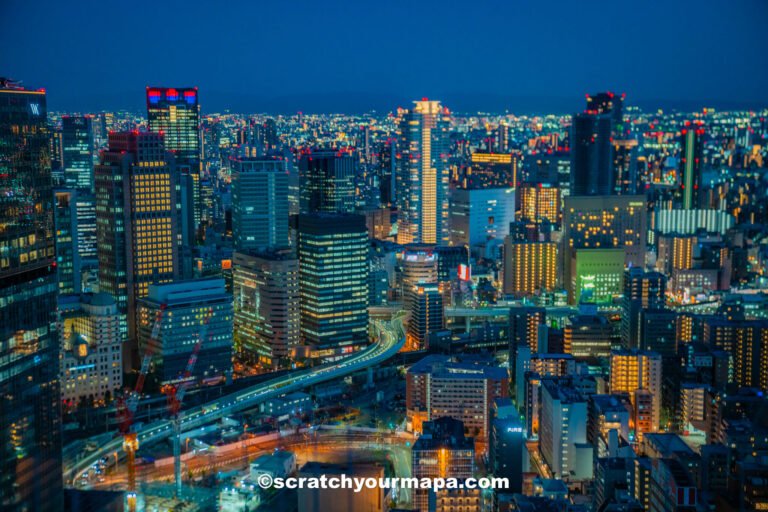


How to Plan a Trip to Tokyo that Will Beat All Previous Trips
Japan’s capital is one of the most exciting cities in the world, but figuring out how to plan a trip to Tokyo can feel a little overwhelming at first. The city is absolutely massive, with countless neighborhoods to explore, incredible food around every corner, and everything from historic temples to futuristic attractions. There’s so much to see and do that deciding where to start can be a challenge!
Tokyo has an energy unlike anywhere else. You’ll find neon-lit entertainment districts, enormous shopping centers, quirky themed cafés, peaceful gardens, lively markets, and some of the best food we’ve had in Japan. Each neighborhood has its own personality, and there’s always something new to discover, whether you’re interested in history, pop culture, shopping, nightlife, or simply experiencing everyday life in the city.
We spent a full week in Tokyo with a friend who lives there, which gave us the chance to discover some of the city’s highlights as well as places and experiences we might not have found on our own. Even with a full week, there’s still so much left to explore! In this guide, we’re sharing everything you need to know to plan a trip to Tokyo, from getting there and choosing where to stay to transportation, food, safety, weather, and the best things to do.
Want to save this article to read later? Pin in!
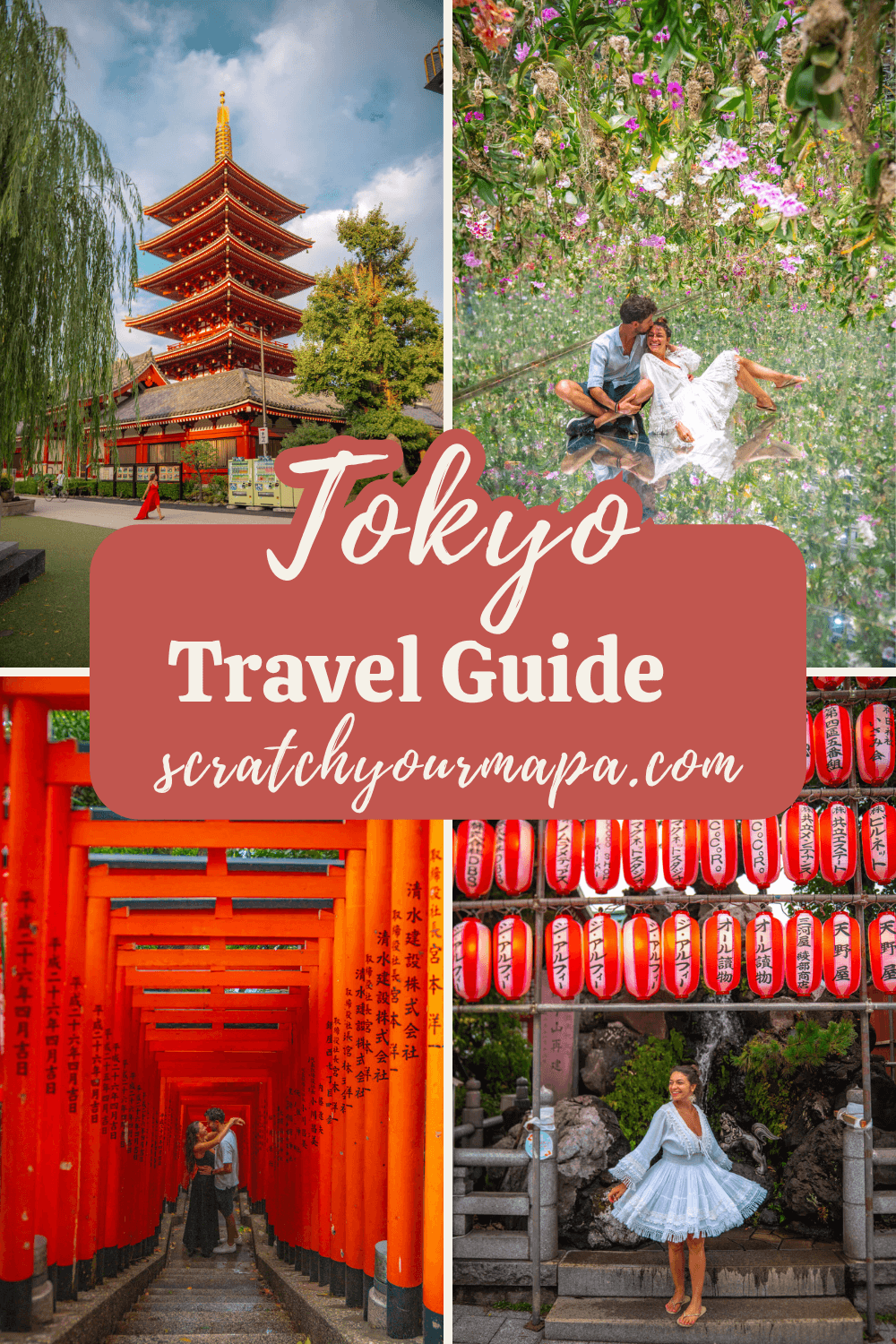
*Please note that this blog post may contain some affiliate links, which we make a small profit on, at zero cost to you. Links are only used on products & services that we’ve used and believe in, to give you the best buying experience. Purchasing from these links helps us to continue providing free travel guides for you- so thank you for your support!
Our Travel Planning Recommendations
The Basics of Planning a Trip to Tokyo
Before getting into all the details of planning a trip to Tokyo, let’s start with a little background on the city. Tokyo is enormous, and understanding its layout, what it’s known for, and what to expect before arriving will help you make the most of your visit.
⭐ What Is Tokyo Best Known For?
Tokyo is best known for its incredible mix of traditional Japanese culture and modern city life. It’s home to historic temples and shrines, futuristic architecture, neon-lit entertainment districts, world-famous shopping streets, and some of the best food in Japan. You’ll find everything from centuries-old traditions to the latest technology, often just a short train ride apart.
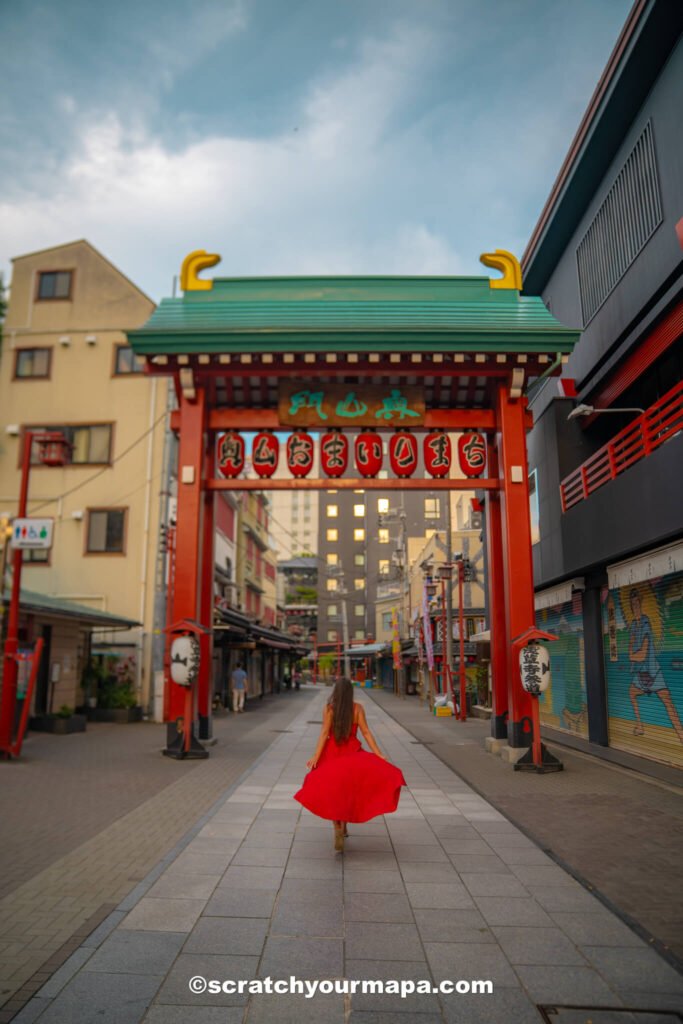
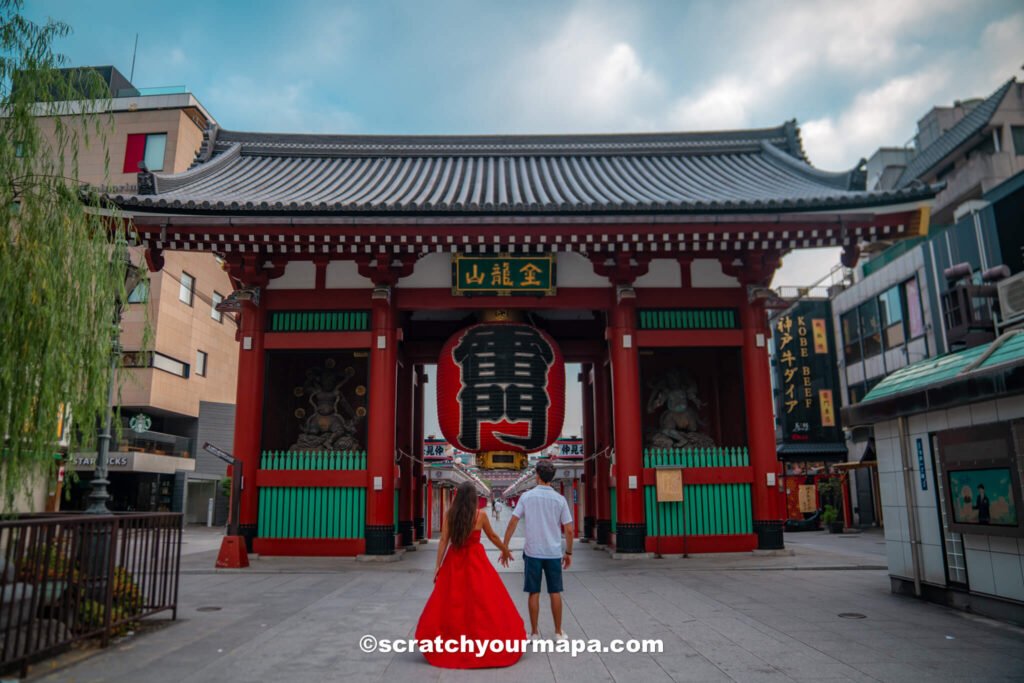
The city is also famous for its distinct neighborhoods, each offering something different. Shibuya is known for its iconic crossing and nightlife, Shinjuku has towering skyscrapers and lively entertainment districts, and Harajuku is a favorite for quirky fashion and pop culture. Meanwhile, Asakusa offers a glimpse into traditional Tokyo, while Akihabara is a paradise for anime, gaming, and electronics fans.
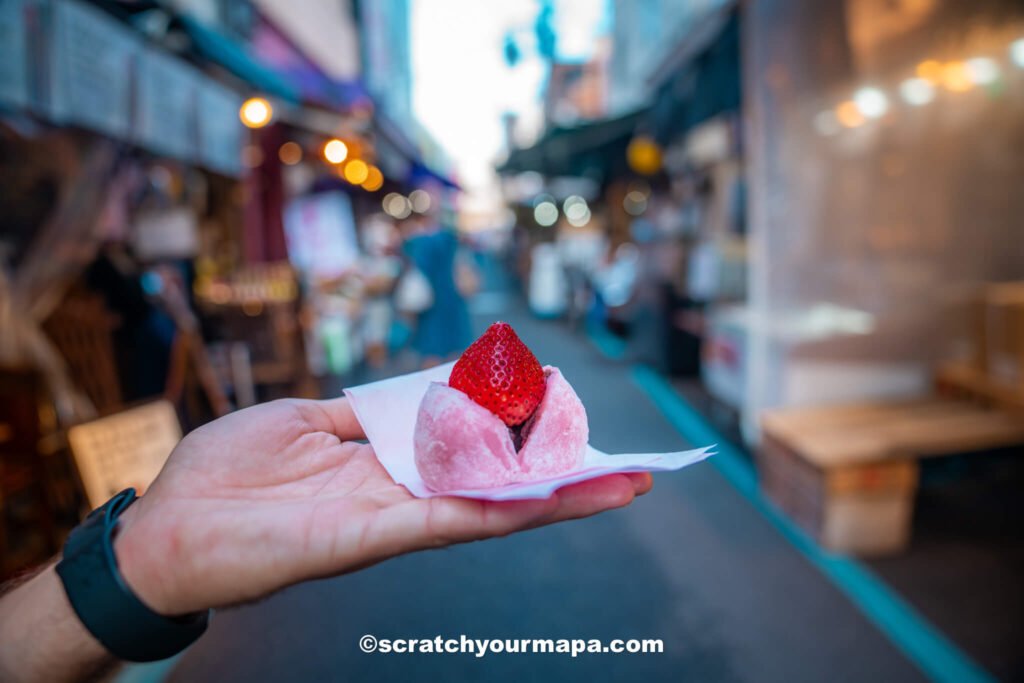
Of course, food is another huge part of what makes Tokyo so special. From sushi and ramen to yakitori, street food, themed cafés, and incredible department store food halls, there are endless things to try. We also loved how many unique experiences the city offers, whether that’s visiting a traditional temple, exploring a digital art installation, trying a themed café, or joining a Japanese cooking workshop.

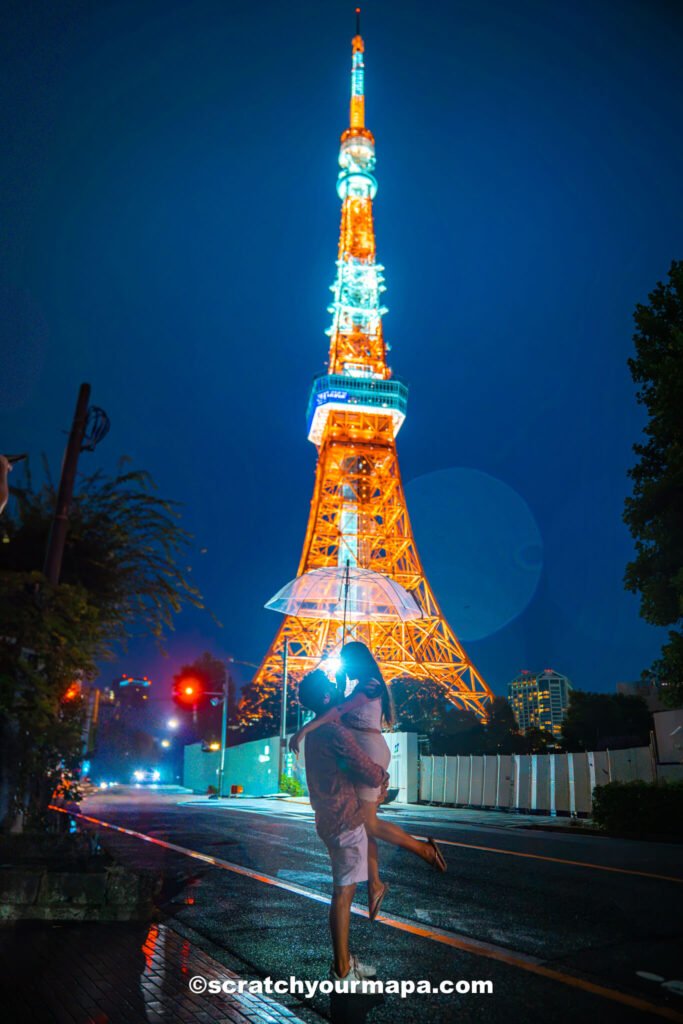
📍 Where Is Tokyo Located?
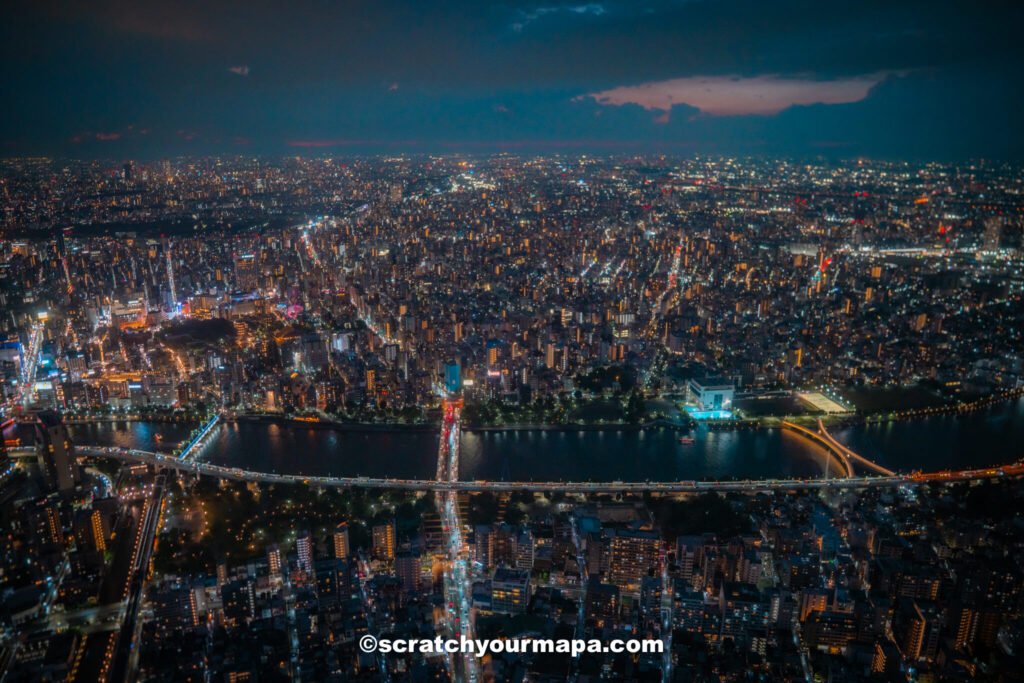
Tokyo is located on the eastern coast of Japan’s main island, Honshu, in the Kanto region. It’s the country’s capital and largest metropolitan area, sitting along Tokyo Bay and serving as one of the main transportation hubs for visitors exploring Japan.
Its location makes it a great starting point for a larger Japan itinerary. You can easily connect to destinations like Mount Fuji, Hakone, Nikko, Kamakura, and Kyoto by train, making Tokyo a convenient base for exploring more of the country.
👀 What Should You Know While You Plan a Trip to Tokyo?
Tokyo is a relatively easy city to visit, but there are a few things we recommend understanding before you arrive. The city is huge, and planning your days around specific neighborhoods can save you a lot of time traveling back and forth. It’s also helpful to familiarize yourself with the train system, since public transportation will likely be your main way of getting around.
✈️ How to get to Tokyo
🛂 Japanese entry requirements
💴 Local adjustments (currency, language, electrical outlets, water potability, & tipping
🤩 Things to do and see
🍴 What and where to eat in Tokyo
🚗 How to move around Tokyo
🛌 Where to stay in Tokyo
👮🏻♀️ Safety in Tokyo
☀️ Weather and the best time to visit
🧳 How to pack for your trip
🤔 Whether Kyoto is worth visiting
⏳ How much time to visit Tokyo

Plan a Trip to Tokyo, Japan: Getting There
Visiting Tokyo, Japan is easy! As one of the most popular Asian destinations in the world, Tokyo is incredibly easy to reach by air, land, or sea.
The city is served by two major international airports, Haneda and Narita, making it well connected to destinations all around the world. Tokyo is also one of Japan’s main transportation hubs, with Shinkansen bullet trains and other rail connections linking it to cities throughout the country.
Check out our full guide on How to Get to Tokyo, Japan for all the transportation options, routes, and details you need to plan your trip.
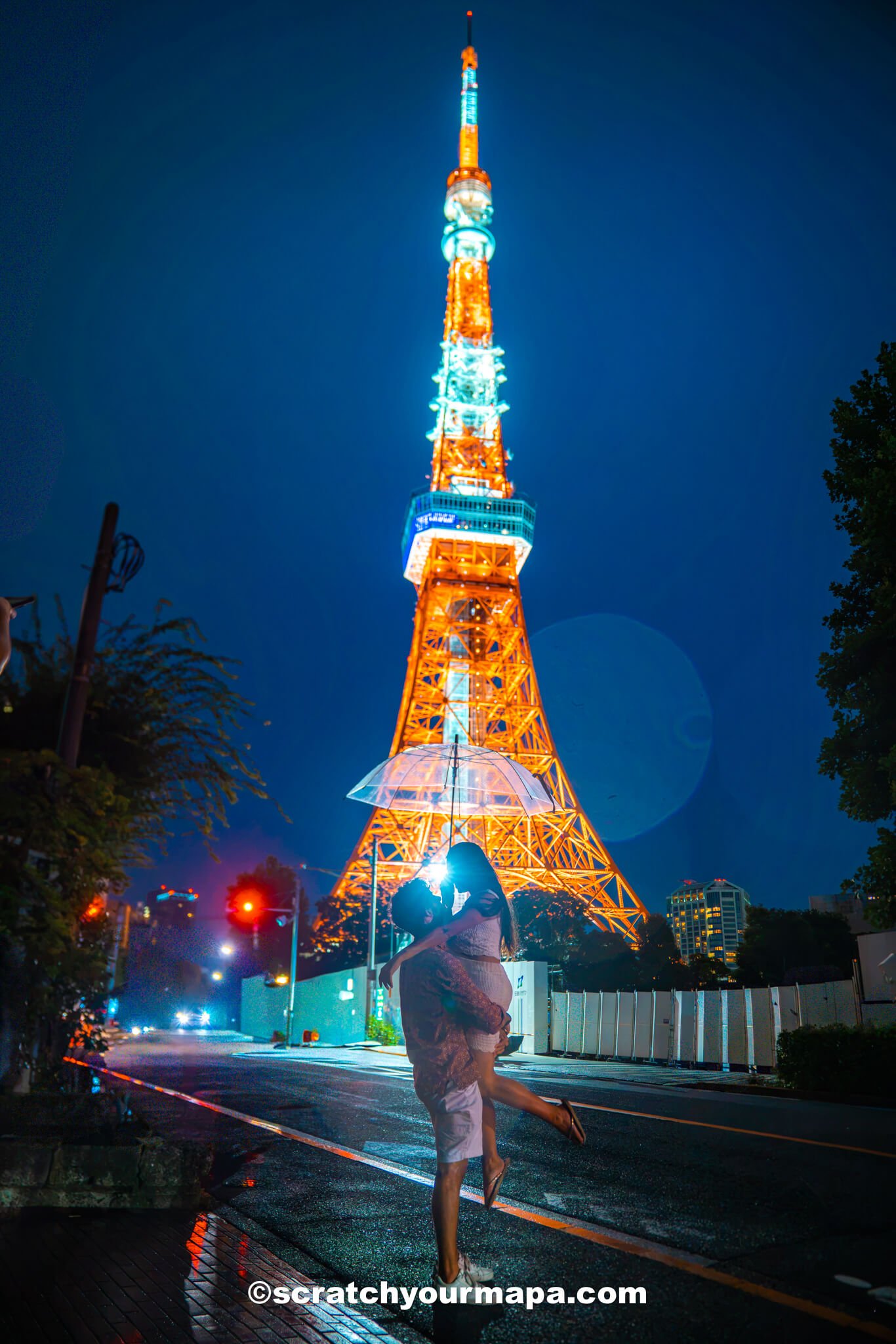
Arriving in Tokyo: Airports, Transportation, Japan Entry Requirements
A full guide for helping you get to Tokyo and to make sure you have the proper travel documents to visit.
Plan a Trip to Tokyo, Japan: Japanese Entry Requirements
Before you plan a trip to Tokyo, you’ll want to make sure you know Japan’s entry requirements. These depend on your nationality, the purpose of your visit, and how long you plan to stay.
🛂 Do You Need a Visa for Japan?
Many travelers are able to visit Japan for a short tourist stay without needing to apply for a visa in advance. However, visa exemptions and allowed lengths of stay vary by nationality, so it’s important to check the rules that apply specifically to your passport.
Ensure your passport is valid for the length of your trip and check whether you need a visa or any additional documentation before leaving for your trip. Entry requirements can always change, so we recommend double checking Japan’s official Ministry of Foreign Affairs website and the Japanese embassy for your country when you’re planning your trip to Japan.
📝 Should You Complete Visit Japan Web?
Visit Japan Web is Japan’s online service for completing the essential arrival procedures for the country, including immigration and information for customs.
Make sure to look at the current official instructions before traveling so you know which procedures apply to you. Keep your passport, accommodation details, and return travel information accessible in case you need them during your travels.
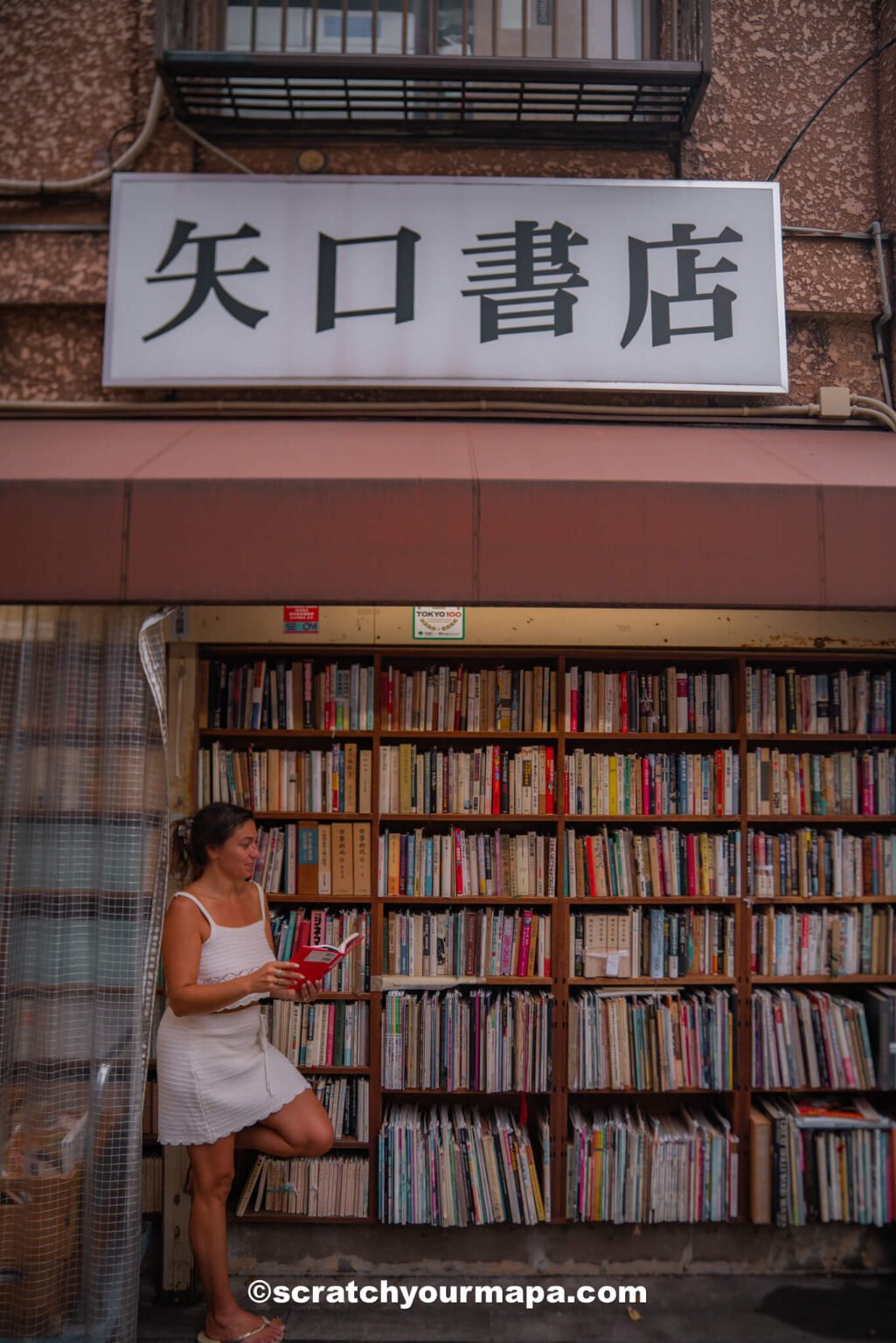
Plan a Trip to Tokyo: Local Adjustments
Traveling somewhere new always comes with a few differences, and Japan is no exception. From the language and currency to electrical outlets and mobile data, these are some of the practical details we recommend understanding before arriving in Tokyo.
🗣️ What Language Do They Speak in Tokyo?
Japanese is the main language spoken in Tokyo. You’ll find English signage throughout major train stations, airports, and popular tourist attractions, but Japanese is what you’ll hear in everyday conversation.
🇬🇧 Do People Speak English in Tokyo?
You can generally get around Tokyo’s main tourist areas with basic English, but don’t expect everyone to speak it fluently. Many hotels, major attractions, and larger restaurants have English-speaking staff, while smaller establishments may have limited English menus or signage.
In restaurants, smaller shops, and local neighborhoods, English may be more limited. We recommend downloading a translation app and saving important information, such as your hotel address, in Japanese. Google Maps is also incredibly helpful for navigating the city.
We found that having our phones ready for translations made things much easier. Learning a few basic Japanese phrases is also appreciated, especially when greeting people or thanking someone for their help.
💴 What Is the Currency in Tokyo?
Japan uses the Japanese yen (JPY). Credit cards are pretty widely accepted throughout Tokyo, particularly at hotels, department stores, larger restaurants, and major attractions. However, cash is still necessary for smaller restaurants, local shops, street food stalls, and certain traditional establishments.
You’ll absolutely need to have some yen rather than relying entirely on cards. ATMs are easy to find at convenience stores like 7-Eleven and FamilyMart, and many accept international bank cards.
💵 Can You Use US Dollars in Kyoto?
Nooooooo! US dollars are NOT accepted as payment in Tokyo, and you’ll need Japanese yen for everyday purchases. You can exchange currency or withdraw yen from an ATM after arriving in Tokyo.

Upgrade Your Inspo
Get the best travel tips, tricks, and hidden gems sent directly to your inbox. You’ll become a better traveler, week after week.
Upgrade Your Inspo
Get the best travel tips, tricks, and hidden gems sent directly to your inbox. You’ll become a better traveler, week after week.
🔌 What Plugs Do They Use in Tokyo?
Japan primarily uses Type A electrical outlets, with two flat parallel pins. The standard voltage is 100V, and Tokyo uses a frequency of 50Hz.
Travelers from the United States can generally use their plugs without an adapter, but you should still check whether your devices support Japan’s voltage. Visitors from countries using different plug types will need the appropriate travel adapter.
🚰 Is Tap Water Safe to Drink in Kyoto?
Yes! Tap water in Tokyo is safe to drink, so there’s no need to rely on bottled water throughout your trip.
We recommend bringing a reusable water bottle so you can refill it during the day. You’ll likely be doing plenty of walking while exploring Tokyo, and staying hydrated is especially important during the hot and humid summer months.
💸 Is Tipping Customary in Kyoto?
Tipping is not customary in Japan, and should NOT be tipping, despite your automatic reaction to do so. Some establishments may have specific service charges, but these are different from tipping.
📱 Should You Get a SIM Card or eSIM for Kyoto?
We strongly recommend having mobile data during your Japan trip. It makes using Google Maps, checking train routes, translating menus, and finding restaurants so much easier.
You can purchase a physical SIM card throughout shops in Tokyo, or arrange an eSIM before arriving, depending on the phone you have and your travel needs.
We use T-mobile, which gives us free international roaming, but if you have a phone company that doesn’t offer this, then we’d recommend opting for a local Japanese SIM or an e-SIM if your phone isn’t unlocked.
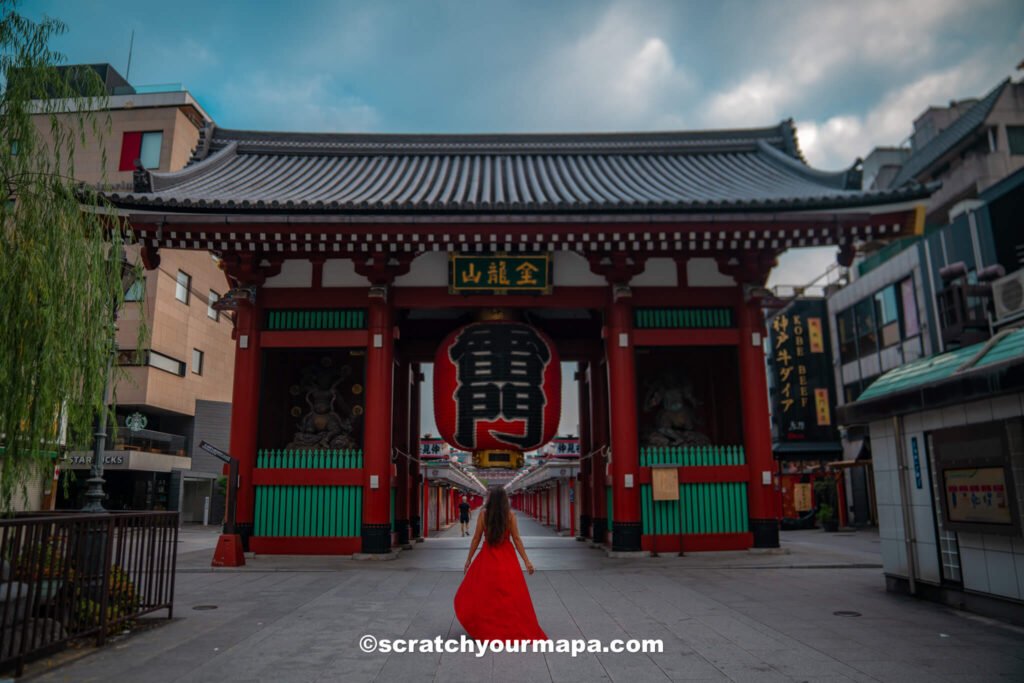
Travel Guide for Kyoto: The Best Things to Do & See
There are so many incredible things to do in Tokyo that even after spending a full week exploring the city, we still felt like there was plenty left to see!
From historic temples and traditional markets to neon-lit neighborhoods, quirky attractions, and some seriously impressive views, Tokyo has a little bit of everything. We recommend choosing a few areas to explore each day rather than trying to fit everything into one itinerary, especially since the city is so spread out.
Here are some of the things you won’t want to miss when you plan a trip to Tokyo, Japan:
👉🏻 Want to see all of the cool things to do and see in Tokyo? Don’t miss out on our Tokyo activities guide!

19 Epic Things to Do in Tokyo for First-Time Visitors
From tourist highlights to unique workshops and exciting day trips, here are the things to do and see in Tokyo that you won’t want to miss.
Plan a Trip to Tokyo, Japan: What and Where to Eat
When you plan a trip to Tokyo, make sure to prioritize eating your way throughout the city! From tiny ramen shops and conveyor-belt sushi restaurants to bustling markets, izakayas, and themed cafés, there’s no shortage of places to eat. We spent a full week trying different dishes and exploring the city’s food scene, and there were still plenty of things we didn’t get to try!
Here are some of the foods we recommend looking out for while visiting Tokyo.
🍜 What Food Is Kyoto Known For?
One of the things we loved most about Tokyo was the food! Japan is known for having some of the best cuisine in the world, and Tokyo is an especially fun place to try it all. Here are some of the top dishes you won’t want to miss out on.
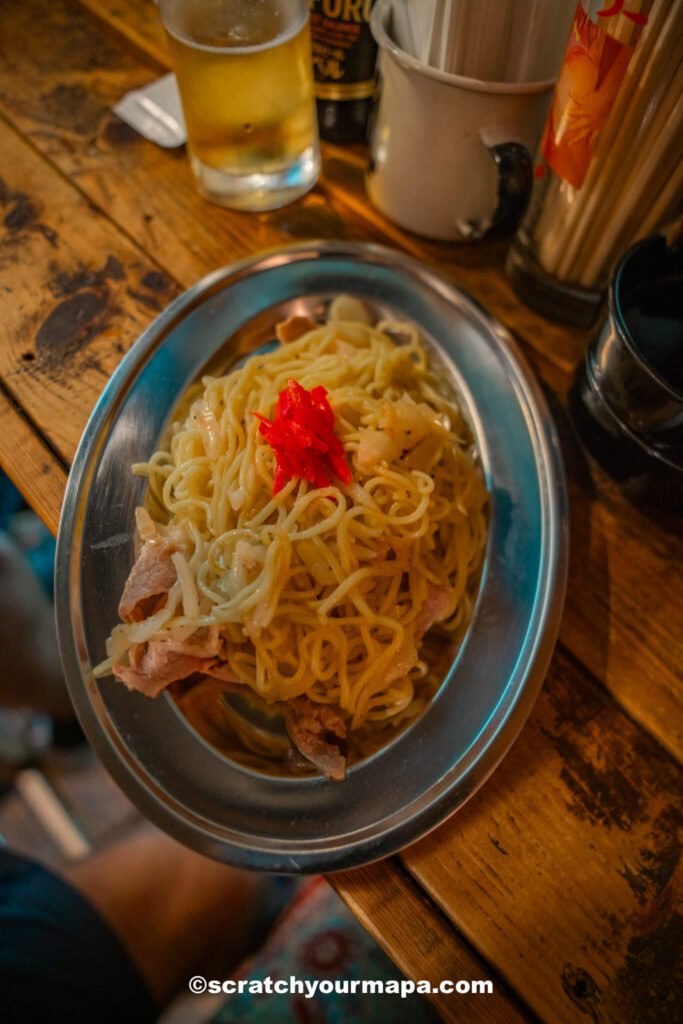
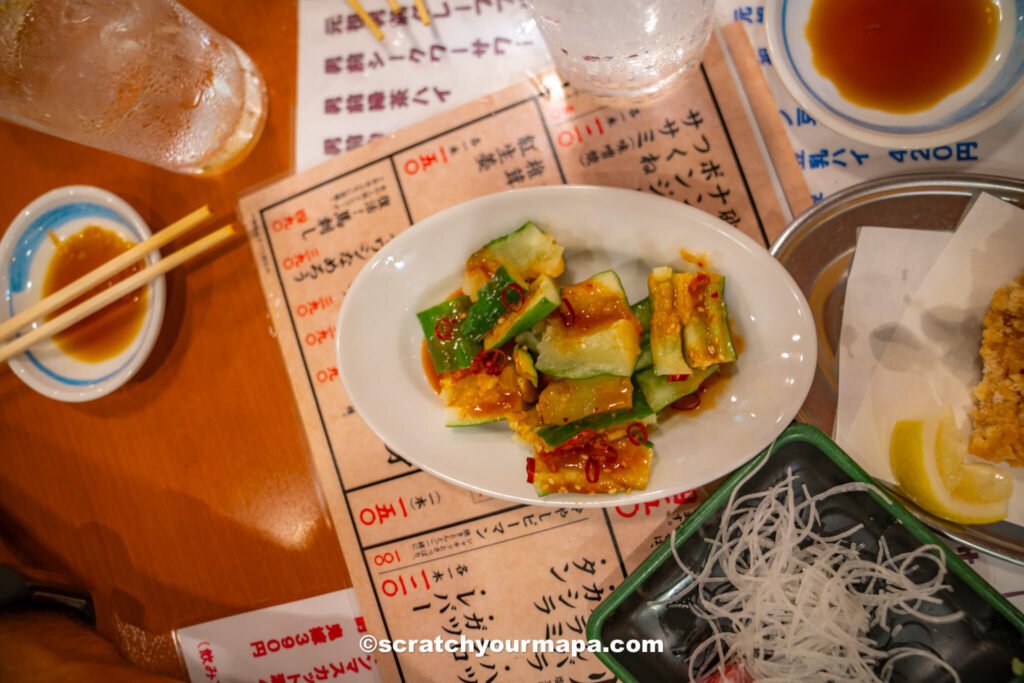
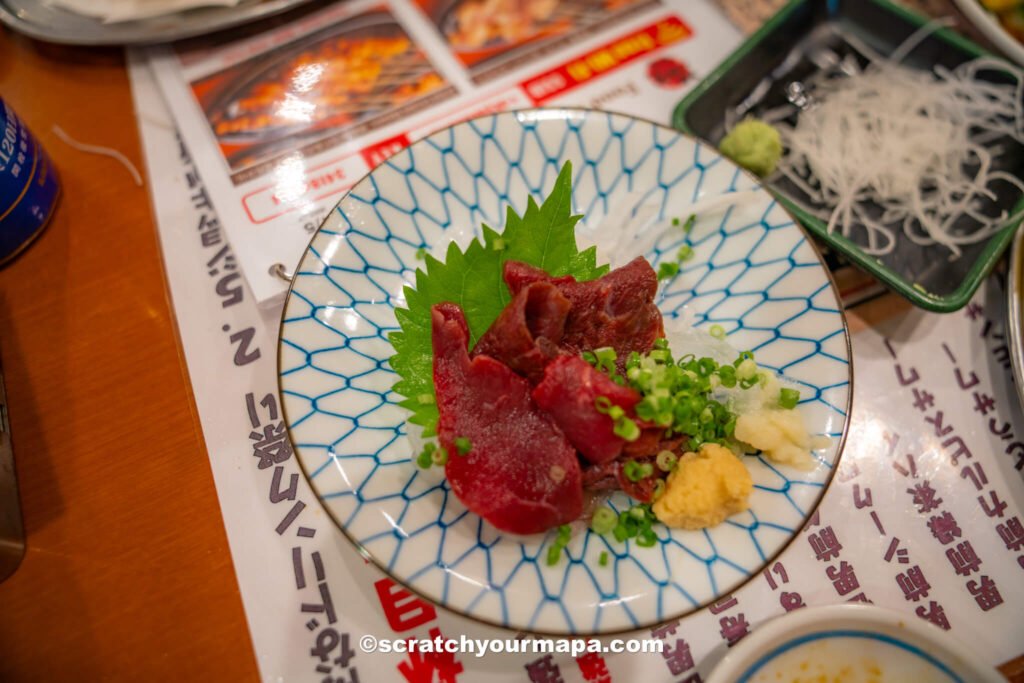

🍴 Where Should You Eat in Tokyo?
Honestly, there are an endless amount of great places to eat in Tokyo! We ate our little hearts out, and chose a handful of our favorite spots to share with you.
Here are some of the experiences you won’t want to miss when you plan a trip to Tokyo:
If you’re a foodie, we also recommend making time for a food tour, sake tasting, or even a Japanese cooking class. These are great ways to learn more about the country’s cuisine while getting to try dishes you might not have discovered on your own.
💡 Many popular restaurants have long lines, limited seating, or reservation requirements, so make sure to plan accordingly!

29 Incredible Restaurants in Tokyo

The Ultimate Guide for Food in Tokyo
How to Get Around While Visiting Tokyo, Japan
Tokyo is a massive city, but luckily, getting around is pretty easy once you understand how its public transportation system works. The city has an extensive network of trains and subways, and you’ll likely use them quite a bit during your stay. We recommend getting familiar with the different transportation options before your trip, especially if it’s your first time visiting Japan.
We’ve put together a separate guide covering everything you need to know about getting around Tokyo, including how the trains and subway systems work, using IC cards, getting to and from the airports, and when it makes sense to take a taxi.

Want to learn about all of the logistics for getting around Tokyo? Don’t miss our Tokyo transportation guide!
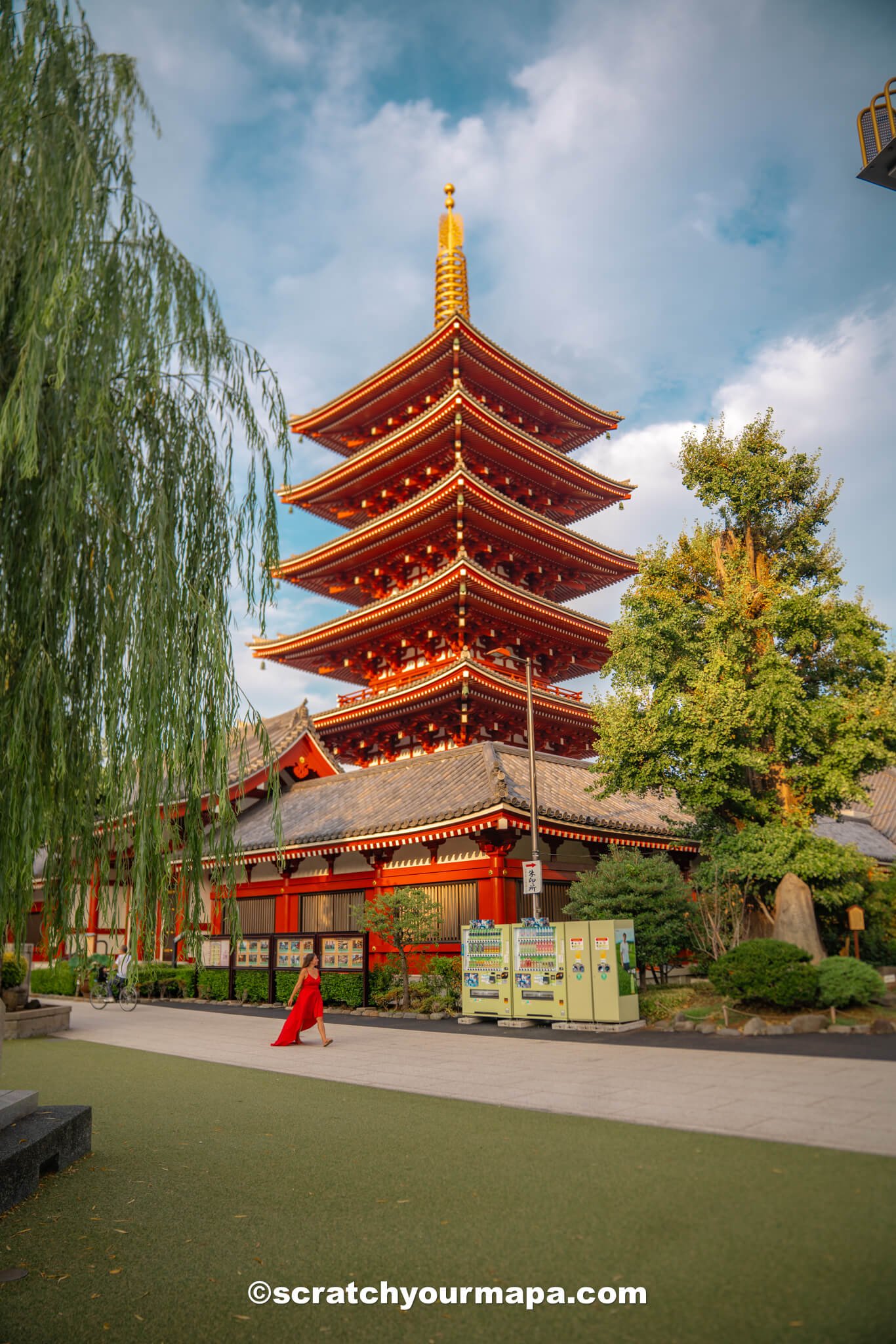
Getting Around Tokyo: Transportation Options & Travel Tips for Tourists
Come explore the different ways to get around Tokyo, from public transportation to local rideshare apps.
Where to Stay While Visiting Tokyo, Japan
One of the most important parts of planning a trip to Tokyo is choosing the right place to stay. The city is huge, and there are an incredible amount of hotel options. tochoose from.
❣️ Which Area Should You Stay in Tokyo?
Here are some of the areas to base yourself that we think you should consider when you plan a trip to Tokyo.
For a first visit, we think Shinjuku and Shibuya are two of the easiest areas to stay in. Both have excellent transportation connections and put you close to plenty of restaurants, shopping, and entertainment. Tokyo Station is another practical choice if you’re planning to visit other cities in Japan, while Asakusa is a great alternative if you’d prefer a more traditional neighborhood.
Ueno and Akasaka can also be good options depending on your budget and preferences, but we’d prioritize staying somewhere with a convenient train or subway station nearby.
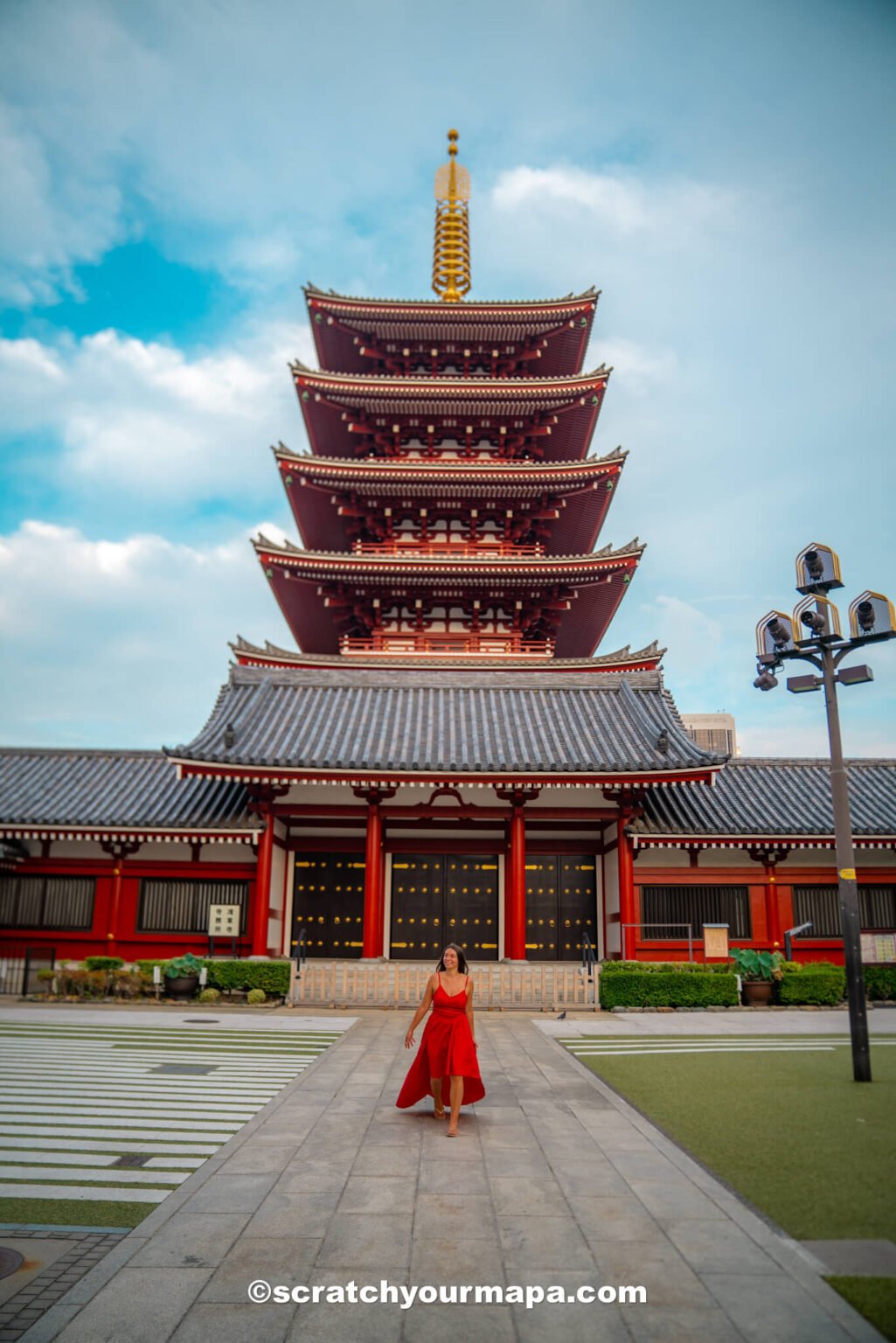
🏨 Recommended Hotels in Tokyo
Here are some of our top recommended hotels to consider when comparing accommodation options in Tokyo.
$ Good Budget-Friendly Stays in Tokyo
$$ Great Mid-Range Stays in Tokyo
$$$ The Best Luxury Hotels in Tokyo

Safety in Tokyo, Japan
Tokyo is one of the safest cities we’ve ever visited, and we honestly felt incredibly comfortable walking around, exploring different neighborhoods, and using public transportation throughout our stay. It’s one of those places where you can really relax and enjoy being out and about without constantly worrying about your surroundings.
Even the subway system has women-only train cars during designated hours, which is a great initiative to make female travelers and locals feel even more comfortable using public transportation.
Of course, no destination is completely without risk, but safety was never something we felt we needed to worry about while visiting Tokyo. Whether you’re traveling solo, with friends, or as a couple, we think Tokyo is an excellent destination for feeling comfortable and confident while exploring.
Travel insurance is something we recommend, regardless of how safe a destination is. Things like unexpected illness, injury, cancellations, or travel disruptions can happen anywhere. We personally use Safety Wing insurance, and recommend it as an option for insurance that’s reliable and affordable.
Final Things to Know While You Plan for a Trip to Tokyo
Now that we’ve covered the main logistics, here are a few final things in our Tokyo travel guide to consider when planning your trip.
☀️ What Is the Weather Like in Tokyo?
Tokyo has four distinct seasons, with hot, humid summers and cold winters. Spring and fall tend to have the most comfortable temperatures, while summer can be aggressively hot and rainy.
📆 What Is the Best Month to Plan a Trip to Tokyo?
We think the best months to plan a trip to Tokyo are April, May, October, and November. These months generally offer comfortable temperatures for exploring, although spring and fall can also be some of the busiest times of year.
April is especially popular because of cherry blossom season, while November is a great time to see the autumn foliage. May and October are also excellent options if you’d rather enjoy pleasant weather without planning your entire trip around peak seasonal attractions.
Suggested Read: The Best Time to Visit Japan for Stunning Colors, Great Weather, & Incredible Festivals
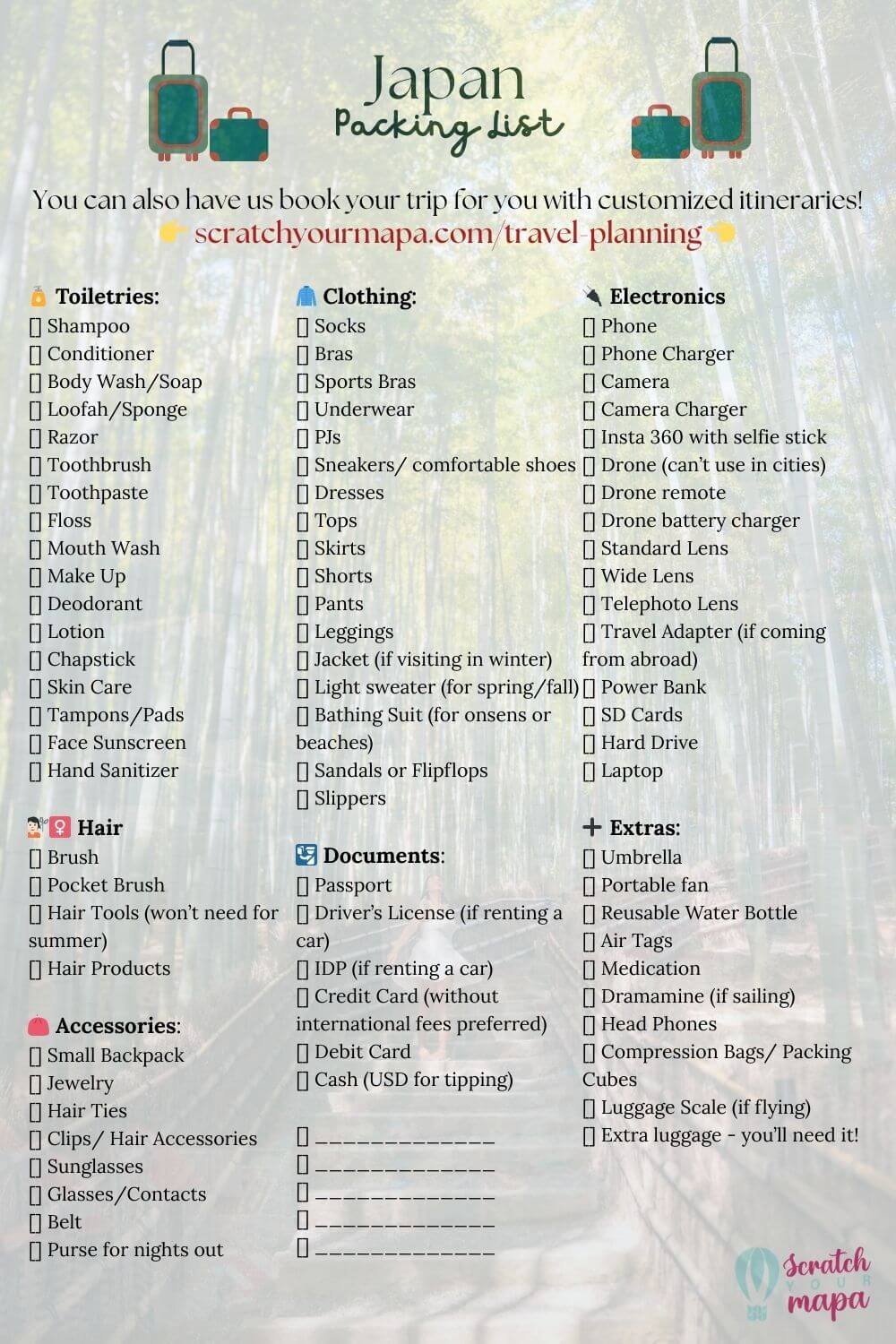
🧳 What Should You Pack for a Trip to Tokyo?
What you pack for Tokyo will depend heavily on the season, but whatever the season, you’ll want to be prepared to walk a lot, eat a lot, and shop til you drop.
Here are a few things we’d make sure to bring:
If you’re visiting during summer, bring lightweight clothing and prepare for the humidity. Winter requires a warm coat and layers, while spring and fall are usually easier to pack for.
🤔 Is Tokyo Worth Visiting?
Tokyo is absolutely worth visiting! We had a full week to explore Tokyo with a friend who lives there, and it truly is a place we could see ourself in for several months. There is so much variety throughout the city, from historic temples and traditional markets to futuristic attractions, incredible restaurants, and some of the most entertaining neighborhoods we’ve visited.
What we especially love about Tokyo is how different each area feels. You can spend the day exploring temples and gardens, then head somewhere completely different for shopping, nightlife, or a themed café. Even with a full week, we felt like we had barely scratched the surface, and would return over and over.
Tokyo also has so many unique experiences, and the food alone can keep you wanting more and more.
⏳ How Many Days Do You Need in Tokyo?
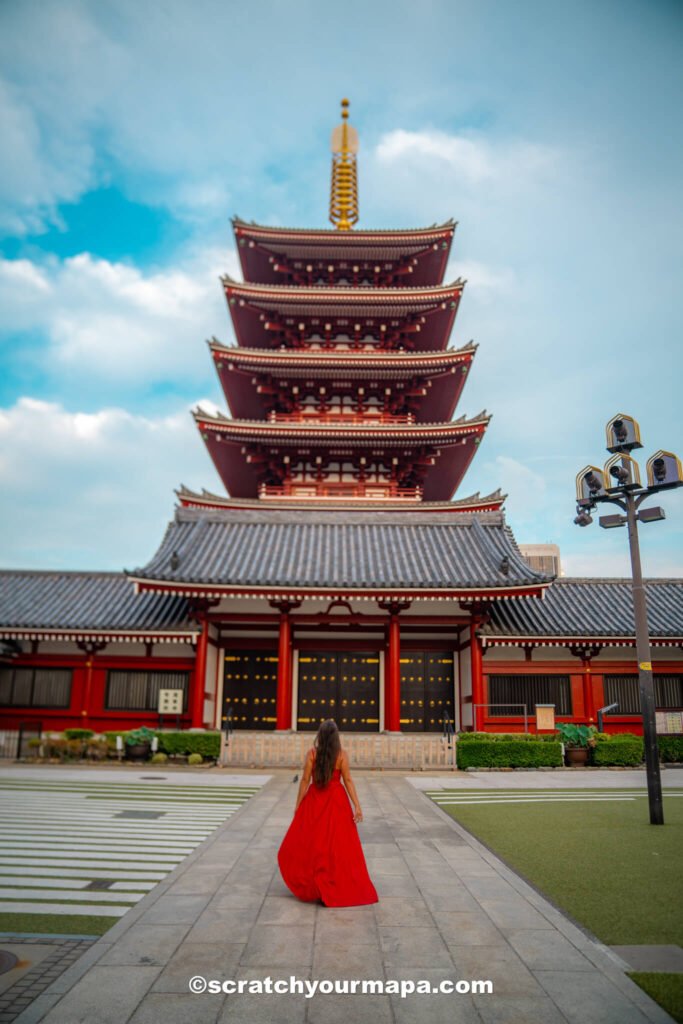
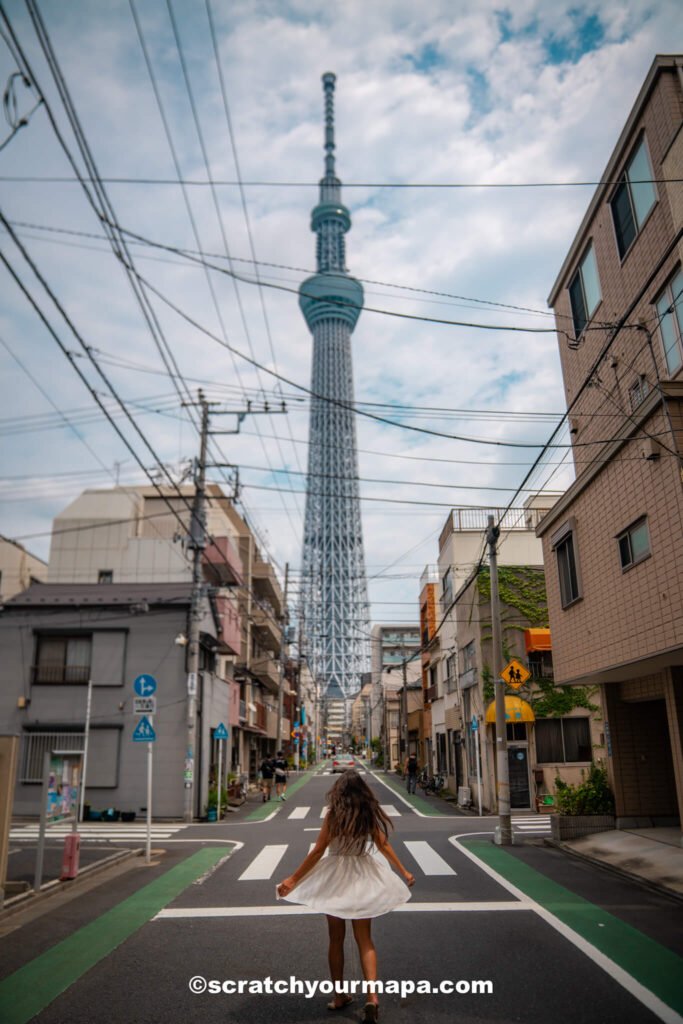
We recommend spending at least 4-5 days in Tokyo to experience some of the main attractions and explore a few different neighborhoods. If you have a full week, even better! That’s how long we spent there, and it gave us more time to enjoy the city without rushing through every stop.
If you’re interested in taking day trips to places like Mount Fuji, Hakone, or Kamakura, we’d recommend adding a few extra days at least. Tokyo has so much to offer that you could easily spend a week or more here without running out of things to do.
FAQ About Planning a Trip to Tokyo
Now you know the main things to consider when you plan a trip to Tokyo, Japan! If you still have questions, here is a quick recap of our Tokyo travel guide, with some answers to common questions travelers have when organizing their visit.
How many days should you spend in Tokyo?
We recommend spending at least 4-5 days in Tokyo, but a full week is even better! We spent seven days exploring the city and still didn’t get to see everything. If you want to visit some of the surrounding areas on day trips, we’d recommend adding a couple of extra days.
What is the best month to visit Tokyo?
We recommend visiting in April, May, October, or November when the weather is generally more comfortable for exploring. April is especially beautiful for cherry blossoms, while November is great for autumn foliage. Just keep in mind that these are also popular times to visit!
Is Tokyo expensive to visit?
Tokyo can accommodate a pretty wide range of budgets. There are luxury hotels, high-end restaurants, and plenty of expensive shopping, but you can also find affordable accommodation, inexpensive ramen shops, convenience store meals, and free attractions. Your biggest expenses will depend on where you stay, how you like to eat, and how much shopping and sightseeing you plan to do.
What is the best area to stay in Tokyo?
For a first visit, we’d recommend Shinjuku or Shibuya because both have great transportation connections and plenty of restaurants, shops, and things to do. If you prefer a more traditional atmosphere, Asakusa is another great option. Tokyo Station is especially convenient if you’re planning to take the Shinkansen to other cities in Japan.
Is Tokyo easy to get around?
Yes! Tokyo has an extensive train and subway network, and once you get the hang of it, getting around is pretty easy. We recommend using Google Maps to plan your routes and getting a rechargeable IC card to make taking public transportation easier. We also have a complete guide to getting around Tokyo that covers everything you need to know.
Is Tokyo safe for solo female travelers?
Absolutely! Tokyo is one of the safest cities we’ve ever visited, and we felt incredibly comfortable throughout our time there. Japan even has women-only train cars during designated hours, which is a great initiative to make women feel even safer when using public transportation. We would absolutely recommend Tokyo for solo female travelers.
Do you need cash in Tokyo?
Although credit cards are accepted in many places throughout Tokyo, we still recommend carrying some Japanese yen. Smaller restaurants, local shops, market stalls, and certain attractions may only accept cash. You can withdraw money from convenience store ATMs, including those at 7-Eleven.
Can you visit Tokyo without speaking Japanese?
Yes! You don’t need to speak Japanese to visit Tokyo. Many train stations, major attractions, and popular tourist areas have English signage, and you’ll find plenty of places where staff speak some English. We recommend having Google Translate handy for menus and situations where communication gets a little trickier.
Is Tokyo worth visiting?
Definitely! We spent a full week in Tokyo and absolutely loved how much variety the city has to offer. From historic temples and traditional markets to incredible food, shopping, nightlife, and unique experiences, there’s something for every type of traveler. Even after seven days, we still had plenty left on our list for next time!

Travel Guide for Kyoto, Japan: Final Tips & What’s Next
Tokyo is an incredible city, and after spending a full week exploring it, we can confidently say it’s a destination we’d love to return to!
There’s so much variety, from historic temples and traditional neighborhoods to futuristic attractions, amazing food, and some of the most interesting experiences we’ve had while traveling. We recommend giving yourself enough time to explore different areas without rushing, because every neighborhood has something different to offer.
✅ Some Final Tips for Traveling to Tokyo
Before you go, here are a few final tips to help you plan your trip to Tokyo:
Like this post and want to revisit? Pin it for later!
👀 What’s Next?
We hope this guide helps you plan an amazing trip to Tokyo! If you’re continuing to explore Japan, make sure to check out our other Japan travel guides for more inspiration, practical tips, and ideas for your itinerary.
Here are a few other travel guides we have about Tokyo:
🤩 19 Epic things to do in Tokyo
✈️ Getting to and arriving in Tokyo
🚊 How to get around Tokyo
🍴 29 Amazing restaurants in Tokyo
🍜 Tokyo food guide
Here are other travel guides we have about Japan:
🚊 How to get to Kyoto
🚌 How to get around Kyoto
⛩️ Things to do in Kyoto
🎋 Arashiyama Bamboo Forest
⭐️ Is Osaka worth visiting?
🗼 30 things to do in Osaka, Japan
✈️ How to get to Osaka, Japan
🚗 How to get around Osaka, Japan
🍴 Osaka food guide
🚌 How to get to Nara, Japan
🏮 Nara Lantern Festival
🦌 What to do in Nara in one day
📖 Nara travel guide
📆 The best time to visit Japan
🇯🇵 The ultimate guide to planning a trip to Japan


Now you know everything you need for visiting Japan’s capital! We hope you enjoyed our Tokyo travel guid – and if you have any other questions, feel free to drop them in the comments below!
Want to learn more about visiting other areas of the country? We have tons of other Japan Travel Guides for you, as well as new ones coming up every week! Make sure to subscribe to our newsletter so that you’re able to stay up to date with our most recent articles, and get special discounts on our shop.
Ready to start planning an incredible trip to Japan? Well, we’re here to help! Scratch Your Mapa offers customized travel planning, so you can skip all the tedious work, and simply enjoy your trip. Take a look at our travel planning packages we have, or simply email us to get started today!

Here are some other guides you’ll love: