

Arriving in Tokyo: Airports, Transportation & Japan Entry Requirements
Planning a trip to Japan and wondering what to expect when arriving in Tokyo? Whether you’re flying in from abroad, taking the Shinkansen from another Japanese city, arriving by bus, or even coming by cruise ship, there are several ways to reach Japan’s capital.
Tokyo is a massive city, so knowing where you’ll arrive and how to get to your accommodation can make your first day so much easier. Your arrival experience will also depend on whether you’re entering Japan internationally or traveling domestically from another destination.
In this guide, we’ll cover the main ways to get to Tokyo, transportation options from the city’s airports, Japan’s entry requirements, and what to expect once you arrive.
Want to save the article for later? Pin it!
*Please note that this blog post may contain some affiliate links, which we make a small profit on, at zero cost to you. Links are only used on products & services that we’ve used and believe in, to give you the best buying experience. Purchasing from these links helps us to continue providing free travel guides for you- so thank you for your support!
Our Travel Planning Recommendations
Basic Info for Traveling to Tokyo
Before comparing the different travel options, let’s take a quick look at where Tokyo is located, and the basic options for getting there.
📍 Where is Tokyo?
Tokyo is the capital of Japan and is located on the eastern coast of Honshu, the country’s main island. It’s part of the larger Kanto region and is connected to destinations throughout Japan by an extensive network of trains, buses, airports, and ports.
🛬 Options for Arriving in Tokyo
There are several ways to get to Tokyo, depending on where you’re traveling from and how much time or money you want to spend.

Upgrade Your Inspo
Get the best travel tips, tricks, and hidden gems sent directly to your inbox. You’ll become a better traveler, week after week.
Upgrade Your Inspo
Get the best travel tips, tricks, and hidden gems sent directly to your inbox. You’ll become a better traveler, week after week.
Comparing Options for Arrival in Tokyo
Now that you know how to get to Tokyo, let’s break down the details so you can choose which arrival method is best for you.
✈️ Arriving in Tokyo by Air
Most international visitors will arrive in Tokyo by plane. The city has two airports (Narita and Haneda) you can choose from, and the airport you choose will depend on your airline, flight availability, price, and route. While both airports connect to central Tokyo, their locations and transportation options are different and worth comparing before booking your flight.
🛫 Arriving in Tokyo’s Narita International Airport (NRT)
Narita International Airport is located in Chiba Prefecture, outside central Tokyo. Despite its distance from the city, it handles many international flights and is a common arrival point for travelers coming from abroad.
The journey from Narita Airport to central Tokyo generally takes longer than the journey from Haneda, but there are several reliable transportation options.
🌃 Cities that Fly to Narita Airport in Tokyo
You can fly direct to Narita from the Americas, Europe, Oceania, and plenty of Asian cities.
Cities from the Americas that fly to Narita include Anchorage, Boston, Calgary, Chicago, Cincinnati, Dallas, Denver, Honolulu, Houston, Los Angeles, Mexico City, Montreal, New York, Puerto Vallarta, San Bernardino, San Diego, San Francisco, Seattle, Toronto, and Vancouver.
European cities that fly to Narita direct include Amsterdam, Baku, Frankfurt, Helsinki, Istanbul, Leipzig, Madrid, Vienna, Warsaw, and Zurich.
Cities from Oceania include Auckland, Brisbane, Cairns, Guam, Melbourne, Papeete, and Perth.
Asian cities that fly to Narita include Abu Dhabi, Amami, Angeles City, Asahikawa, Bangkok, Beijing, Bengaluru, Busan, Cebu, Cheongju, Chongqing, Colombo, Da Nang, Daegu, Dalian, Delhi, Denpasar, Dhaka, Doha, Dubai, Fukuoka, Fuzhou, Guangzhou, Haikou, Hakodate, Hangzhou, Hanoi, Harbin, Hiroshima, Ho Chi Minh City, Hong Kong, Ishigaki, Jakarta, Jeju, Jiaxing, Kagoshima, Kaohsiung, Kitakyushu, Kuala Lumpur, Kumamoto, Manila, Mumbai, Miyazaki, Nagasaki, Nagoya, Nankoku, Ningbo, Oita, Okinawa, Osaka, Qingdao, Sapporo, Seoul, Shanghai, Shenyang, Shenzhen, Singapore, Taichung, Taipei, Takamatsu, Tashkent, Tianjin, Ulaanbaatar, and Xiamen.
🚝 Getting from Narita Airport to Tokyo
Planning on arriving in Tokyo’s Narita Airport? Here are the options for getting from the airport to the city:
🛬 Arriving in Tokyo’s Haneda Airport
Haneda Airport is located much closer to central Tokyo and serves both international and domestic flights. Because of its location, it’s often the more convenient airport for travelers staying in central neighborhoods.
The airport is well connected to the city by train, monorail, bus, and taxi.
🌃 Cities that Fly Direct to Haneda Airport in Tokyo
You can fly direct to Haneda from the Americas, Europe, Oceania, and plenty of Asian cities.
Cities from the Americas that fly to Haneda include Atlanta, Chicago, Dallas, Detroit, Honolulu, Houston, Los Angeles, Minneapolis, New York, San Francisco, Seattle, Toronto, Vancouver, and Washington.
European cities that fly to Haneda direct include Copenhagen, Frankfurt, Helsinki, Istanbul, London, Munich, Paris, and Rome.
Cities from Oceania include Guam and Sydney.
Asian cities that fly to Haneda include Amami, Bangkok, Beijing, Dalian, Delhi, Doha, Dubai, Fukuoka, Guangzhou, Hakodate, Hanoi, Ho Chi Minh City, Hong Kong, Ishigaki, Jakarta, Kagoshima, Kuala Lumpur, Kumamoto, Manila, Miyazaki, Mumbai, Nagoya, Okinawa, Osaka, Qingdao, Sapporo, Seoul, Shanghai, Shenzhen, Shimojishima, Singapore, and Taipei.
🚝 Getting from Haneda Airport to Tokyo:
Here are all of the options for getting to the city if you are arriving in Tokyo’s Haneda Airport:

The Three Easiest Hacks for Booking Flights That Can Save Your Hundreds
In this guide, we’re sharing the stress-free tips that will easily save you money and time when booking your flights.
🚆 Arriving in Tokyo by Train
If you’re already traveling through Japan, arriving in Tokyo by train is often one of the easiest options. Tokyo is a major railway hub, and trains connect the city with destinations across the entire country.
🚄 Arriving in Tokyo by Shinkansen
The Shinkansen, or bullet train, is the fastest and most comfortable way to travel to Tokyo from most major Japanese cities. Depending on your route, you may arrive at Tokyo Station or Shinagawa Station.
Common Shinkansen routes include:
Tokyo Station is centrally located and connects to numerous JR lines and subway routes. Shinagawa Station is especially useful for travelers continuing to or from destinations served by the Tokaido Shinkansen, including Kyoto and Osaka.


🚃 Arriving in Tokyo by Local Train
Local and regional trains are useful when arriving in Tokyo from nearby destinations. For example, travelers coming from Yokohama, Kamakura, Narita, or other areas of the Kanto region can use regular train services rather than the Shinkansen.
Tokyo has several major stations, so check your accommodation’s location before choosing your route. Arriving at Tokyo Station may sound like the obvious option, but another station could be much more convenient depending on where you’re staying.
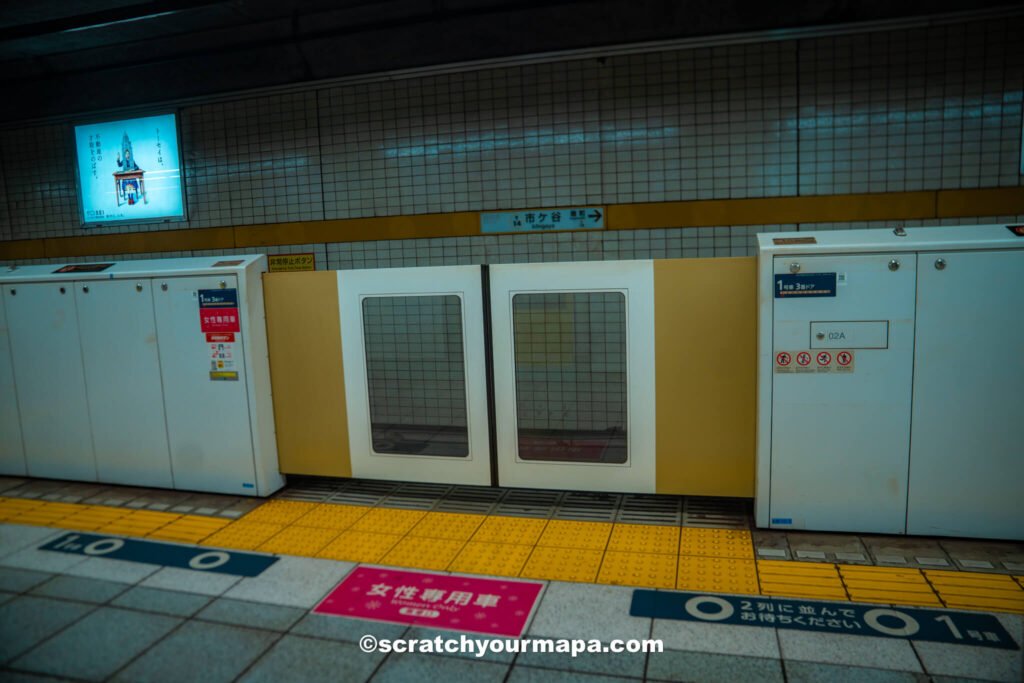
🚌 Arriving in Tokyo by Bus
Long-distance and overnight buses connect Tokyo with cities throughout Japan. They’re generally more affordable than trains, and much cheaper than the Shinkansen.
Although the journey can take significantly longer, they’re a good budget-friendly option as they can help you save money on accommodation.
We enjoyed our overnight bus, but do keep in mind that overnight buses may not be the most comfortable option for travelers who need more room, or if you’re arriving after a long journey and planning to explore immediately.
⭐️ Main Bus Stations in Tokyo
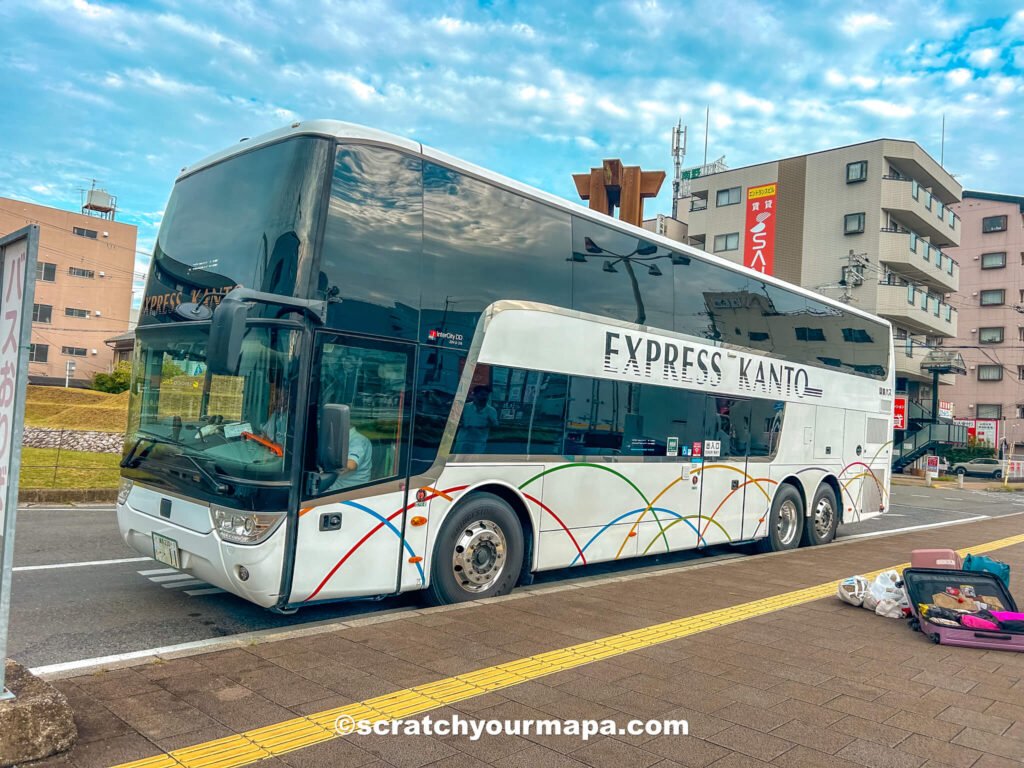
💡 When booking a bus, check the exact arrival terminal rather than simply searching for “Tokyo,” since buses may arrive in different parts of the city.
🌊 Arriving in Tokyo by Sea
Although most visitors arrive in Tokyo by air or train, it’s also possible to reach the Tokyo area by cruise ship or ferry.
🛳️ Cruises to Tokyo
Tokyo is a popular stop on cruises around Japan and East Asia. Cruise ships arriving directly in Tokyo generally dock at the Tokyo International Cruise Terminal in the Odaiba area.
The terminal is connected to Tokyo’s public transportation network, so you can continue into the city by train, monorail, taxi, or other local transportation. Depending on your cruise itinerary, you may also arrive at Yokohama Port, which is outside Tokyo but well connected to the city by train.
If you’re arriving by cruise, check the exact port listed on your itinerary. Yokohama and Tokyo are separate cities, and the transfer between them can take time.
⛴️ Other Sailing Options to Tokyo
Ferries connect Tokyo with several destinations around Japan, and are a fun and unique option for those that are fans of slow travel. These routes are more commonly used by domestic travelers or visitors taking a longer journey around Japan (especially with a car), but they can be an interesting alternative to flying or taking the train.
Here are some ferry routes that go to Tokyo:

Arriving in Tokyo: Japan’s Entry Requirements
Now that you know how to get to Tokyo, let’s talk about the entry requirements you need to keep in mind for visiting Japan.
🛂 Do You Need a Visa for Japan?
Japan’s visa requirements depend on your nationality, passport, length of stay, and purpose of travel. Citizens of many countries can enter Japan visa-free for short-term tourism, often for stays of up to 90 days. However, the permitted stay and conditions can vary by country.
For example, travelers from countries such as the United States, Canada, Argentina, Spain, and the United Kingdom are generally eligible for visa-free short-term visits for tourism, subject to Japan’s current rules.
Travelers who are not eligible for visa-free entry may need to apply for a visa before traveling. Some eligible travelers can apply through Japan’s eVisa system, while others may need to apply through a Japanese embassy or consulate.
💡 Always check the current requirements through the before booking your trip to Japan, as visa policies can change.
💉 Vaccinations and Health Requirements
Before arriving in Japan, check whether any health-related entry requirements apply to your specific situation. In general, there are no vaccine requirements to enter Japan. However, it’s recommended for travelers to have the MMR vaccine, and if you’re from a country prone to certain diseases, you should double-check as requirements can always change.
It’s also a good idea to travel with any necessary prescription medications in their original packaging and confirm that medications are permitted under Japanese law. Japan has strict rules regarding certain medicines that may be commonly available in other countries.
For the most current information, consult official Japanese government guidance before departure.

Arriving in Tokyo: Other Things to Know
Now that you know how to get to Tokyo and what Japan’s entry requirements are, here are a few final things you need to know when arriving in Tokyo.
🧳 Baggage
If you’re arriving to Tokyo by air, you’ll collect your luggage after passing through immigration. Depending on the airport and how busy it is, baggage claim can take some time, so don’t plan an important activity immediately after landing.
If you’re arriving by train or bus, keep in mind that navigating Tokyo with large suitcases can be challenging, especially during rush hour. Some stations are enormous, and not every station has an elevator or an exit close to your accommodation.
If you’re traveling with oversized luggage on the Shinkansen, check the baggage rules when booking your ticket. Certain Shinkansen routes require reservations for seats with designated oversized-baggage space.
🛂 Customs
International travelers must go through customs after immigration and baggage claim. Japan has restrictions on certain food products, plants, animal products, medications, and other goods, so make sure you understand what you can and cannot bring into the country.
You can complete customs declaration information online through Visit Japan Web before arriving. The system can also be used to prepare immigration-related information, helping make the arrival process more efficient. Visit Japan Web is not a visa application system, so travelers who need a visa must still obtain one separately.
Here are a few things you’re not allowed to bring into Japan:
🚆 Finding Transportation
Once you exit the airport, station, bus terminal, or port, follow signs for your chosen transportation method. Tokyo’s transportation system is extensive, but the size of the stations and number of train lines can feel overwhelming when you first arrive.
Before your trip, look up:
Having your hotel’s address saved in Japanese can also be helpful, especially if you need to show it to a taxi driver or ask for directions.
Final Tips for Arriving in Tokyo
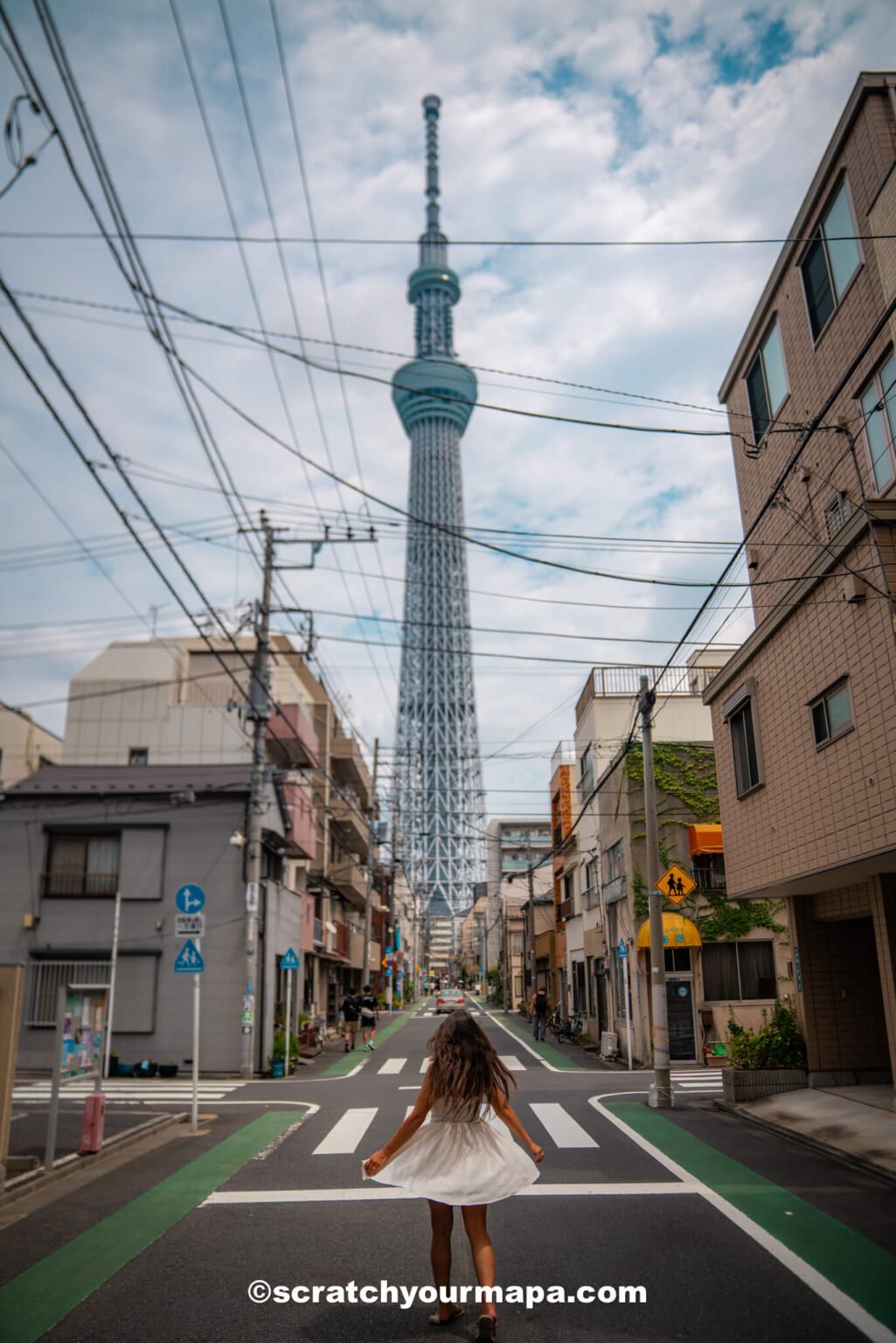
Arriving in Tokyo can feel overwhelming at first, especially if it’s your first time navigating Japan’s transportation system. Planning your arrival in advance will make the transition so much smoother.
Here are a few final tips to make your arrival in Tokyo easier:
Want to save the article for later? Pin it!
👀 What’s Next?
Now that you know how to get to Japan’s capital, and info for arriving to Tokyo, let’s help you explore more of this incredible city.
Here are some other Japan travel guides that we have:
⛩️ 19 things to do in Tokyo for first-time visitors
🚊 How to get to Kyoto
🎋 Arashiyama Bamboo Forest
⭐️ Is Osaka worth visiting?
🗼 30 things to do in Osaka, Japan
✈️ How to get to Osaka, Japan
🚗 How to get around Osaka, Japan
📖 Ultimate Osaka travel guide
🍴 Osaka food guide
🚌 How to get to Nara, Japan
🏮 Nara Lantern Festival
🦌 What to do in Nara in one day
📖 Nara travel guide
📆 The best time to visit Japan
🇯🇵 The ultimate guide to planning a trip to Japan

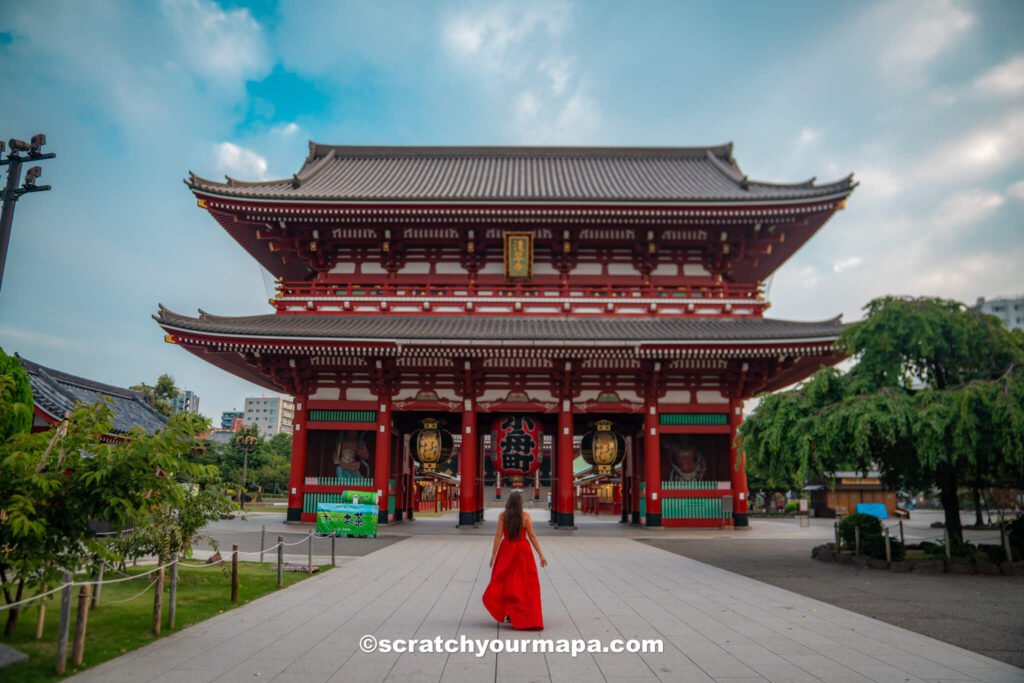


Now you know all the info you need for arriving in Tokyo! If you have any other questions about the transportation, feel free to drop your questions in the comments below!
Want to learn more about visiting Tokyo? We have more guides coming up, as well as a lot of other Japan Travel Guides for you! Make sure to subscribe to our newsletter so that you’re able to stay up to date with our most recent articles, and get special discounts on our shop.
Ready to start planning an incredible trip to Tokyo, Japan? Well, we’re here to help! Scratch Your Mapa offers customized travel planning, so you can skip all the tedious work, and simply enjoy your trip. Take a look at our travel planning packages we have, or simply email us to get started today!

Here are some other guides you’ll love: