

22 Essential (& Unexpected) Road Trip Tips to Help You Plan an Amazing & Stress-Free Adventure
Road trips are one of our favorite ways to travel, but after driving through destinations across the world, we’ve learned that they don’t always go as smoothly as expected. From getting hit by a police officer in Georgia to receiving unexpected tickets and being hit with outrageous rental company surcharges, we’ve had our fair share of experiences that taught us some important lessons. These road trip tips are based on what we’ve learned along the way, so you can avoid some of the mistakes we’ve made and enjoy your time on the road.
One of the biggest reasons we love road trips is the freedom they give us. We’ve driven through places like Armenia, Azerbaijan, Southern Africa, and all over the United States, and having our own car has allowed us to reach destinations that would have been difficult to visit otherwise. As photographers, we especially love being able to get to viewpoints and national parks for sunrise without having to work around public transportation or tour schedules. Of course, that freedom also comes with responsibilities, and we’ve learned that choosing the right vehicle, understanding local driving rules, and staying flexible can make a huge difference.
In this guide, we’re sharing our best road trip tips for making the most of your time behind the wheel, from staying safe and avoiding common driving mistakes to handling unexpected situations along the way. We’ll also point you toward our separate guides on planning a road trip itinerary and renting a car, so you have all the information you need before setting off.
The Scoop
Want to save the article for later? Pin it!
*Please note that this blog post may contain some affiliate links, which we make a small profit on, at zero cost to you. Links are only used on products & services that we’ve used and believe in, to give you the best buying experience. Purchasing from these links helps us to continue providing free travel guides for you- so thank you for your support!
Our Travel Planning Recommendations
The Basics of Taking a Road Trip
Before getting behind the wheel, there are a few things you’ll want to figure out, especially if you’re traveling somewhere new. Planning a road trip involves more than choosing a destination and mapping out a route, but we’ve already covered the bigger planning details in our other guides. Here’s where to find them:
Once you’ve taken care of the planning, it’s time to focus on the things that can make the actual experience on the road much easier, safer, and more enjoyable.

Our Best Road Trip Tips
There are plenty of things we’ve learned from driving in different countries that can make a huge difference during a road trip. These are the road trip tips we recommend keeping in mind, whether you’re taking a weekend drive close to home or spending several weeks exploring somewhere new.
1. Don’t Underestimate Driving Times
One of the biggest mistakes you can make on a road trip is assuming that you’ll reach your destination as quickly as your navigation app says you will. There are so many things that can affect drive times, and unfortunately Google Maps doesn’t always know it all.
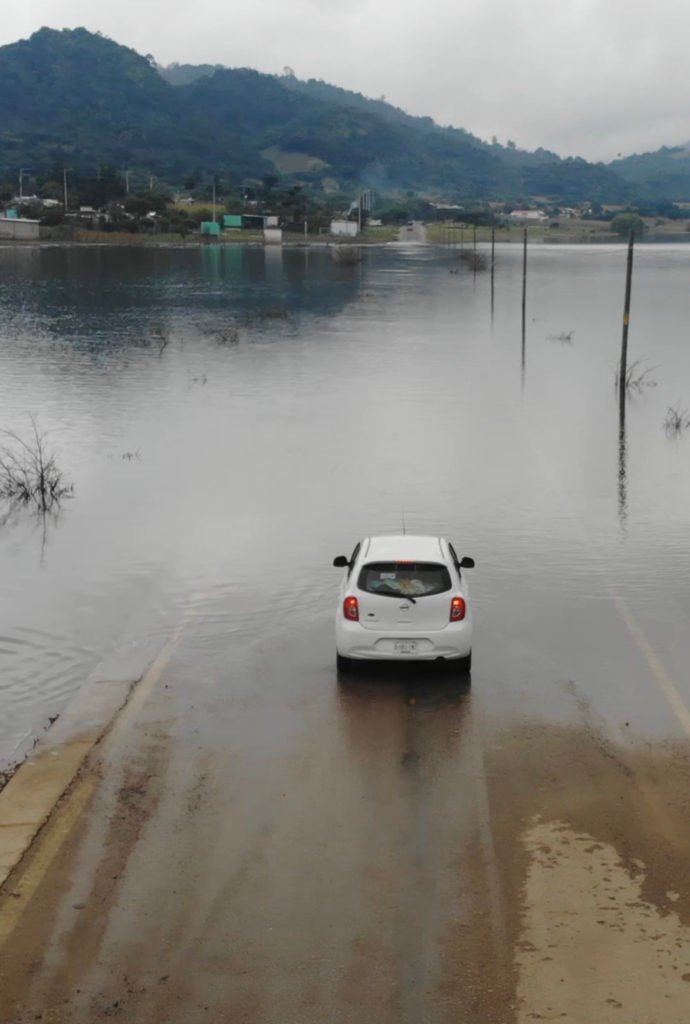
Mountain roads, winding routes, construction, traffic, and road conditions can all add time to your journey. We even had Google Maps try to take us through a lake! We ended up losing a full hour because we had to find a different way to get around it.
We recommend adding extra time to every journey, especially when you’re traveling somewhere unfamiliar, and also reading blogs about personal road trip experiences since they share small details like this that AI could not even get close to. It’s much better to arrive early with time to spare than to spend the entire drive stressing about making your next stop.
2. Start Early When It Makes Sense
One of our favorite things about having a car is being able to start the day whenever we want. As photographers, we’re big fans of sunrise, and getting on the road early often gives us the chance to reach viewpoints and natural attractions before the crowds arrive.
Starting early can also help you avoid some traffic, especially when driving through or around busy cities. It gives you more flexibility if you encounter delays, want to make an unexpected stop, or need extra time to reach your destination.
That said, don’t feel like you need to wake up before sunrise every single day. The goal is to make the most of your time, not turn your road trip into a race. If you’re tired, getting a little more rest is much better than starting a long drive when you’re not alert.

3. Never Drive When You’re Too Tired
This might sound obvious, but it’s easy to underestimate how exhausting a long day of driving can be. Even if you’re comfortable behind the wheel, spending hours concentrating on unfamiliar roads can take a toll on your mind and body.
We recommend taking breaks throughout the day instead of trying to push through an entire journey without stopping. When making our road trip itineraries we actually usually look to include lots of small stops to keep things interesting!
If you’re traveling with another licensed driver, you can take turns when needed (just make sure both of you are registered). If you’re driving alone, plan your stops and give yourself enough time to rest. And if you’re genuinely tired, pull over somewhere safe and take a break. No attraction, hotel check-in, or dinner reservation is worth putting yourself and others at risk.
💡 SYM Tip: If you have a long stretch of driving choose “along route” in Maps and look for things that interest you like waterfalls, viewpoints, or cafes to add as stops.
4. Keep Your Car Organized
When you’re spending a lot of time driving, keeping your car organized can make a surprisingly big difference. Between luggage, snacks, camera equipment, and everything else you bring along, things can get messy pretty quickly, especially when you’re changing hotels frequently.
We recommend separating the things you’ll need during the drive from the rest of your luggage. Keep your everyday essentials somewhere easy to reach, and try to give everything else a designated spot. This way, you won’t have to dig through your entire trunk every time you need something.
5. Never Leave Your Belongings Visible in the Car
This is one of the biggest safety lessons we’ve learned from our road trips, and unfortunately, it’s something we’ve experienced firsthand more than once. We’ve had our car broken into in Mexico and again in Macedonia, even when parking in what was supposed to be a private lot. Both times, we had left a backpack visible inside the vehicle.
Since then, we’re much more careful about what we leave in the car. Even if you’re only stopping for a few minutes or parking somewhere that seems secure, never assume your belongings are safe just because the parking lot is private or attended.
We recommend taking valuables with you whenever possible and making sure bags, camera equipment, electronics, and other belongings aren’t visible from outside the vehicle. If you need to leave luggage in the car while sightseeing, keep it completely out of sight before arriving at your parking spot rather than rearranging everything once you’re already there.
Unfortunately, a locked car and a private parking lot don’t guarantee that nothing will happen. We learned that the hard way, and it’s a mistake we’d really like other travelers to avoid.

Upgrade Your Inspo
Get the best travel tips, tricks, and hidden gems sent directly to your inbox. You’ll become a better traveler, week after week.
Upgrade Your Inspo
Get the best travel tips, tricks, and hidden gems sent directly to your inbox. You’ll become a better traveler, week after week.
6. Pack a Small Bag With Your Road Trip Essentials
When I was in college, I was always running from class to the beach to work and then partying all night. I basically lived out of my car, and always found myself needing something randomly. I created what I called “my emergency survival kit”, and left it in my trunk. It included anything I could possibly need from a small medical kit and hygiene products to a spare bathing suit and towel.
Having a small bag of stuff you could potentially need for a quick road trip stop is seriously one of my favorite road trip tips because it saves so much time and unnecessary stress.
We recommend keeping things like these together:
You can keep this bag in the front of the car or somewhere that’s easy to access. It’s especially helpful when you’re on a multi-day road trip and don’t want to keep opening your main luggage.

7. Always Have Snacks and Water
One of the easiest ways to make a long drive more enjoyable is to have food and drinks available. You never know when you’ll end up driving through an area with limited places to stop, and you don’t want to be stuck searching for somewhere to eat when you’re already hungry.
We like having water and a few snacks in the car, especially on longer driving days. This is particularly helpful when exploring remote areas or visiting national parks where restaurants and shops may not be readily available.
You don’t need to pack an entire picnic, but having something to eat between stops can make the journey much more comfortable. Just remember to take your trash with you and avoid leaving food behind in the vehicle.
8. Download Offline Maps Before You Leave
Navigation apps are essential during road trips, but you shouldn’t assume you’ll always have a reliable internet connection. This is especially important when exploring remote areas, driving through mountains, or crossing regions with limited cell service. More often than not, we’ve had it happen to us that we exited the navigation and then lost signal.
We recommend downloading offline maps before leaving your accommodation whenever possible. That way, you’ll still have access to your route if your connection disappears.
We also learned firsthand in Puerto Rico that you shouldn’t blindly follow every route suggested by Google Maps. When we were trying to reach certain waterfalls and beaches, the app directed us toward roads that weren’t suitable for our car. Always pay attention to road conditions, look at the route before setting off, and use your judgment if a suggested road doesn’t look right.
9. Choose the Right Vehicle for Your Route
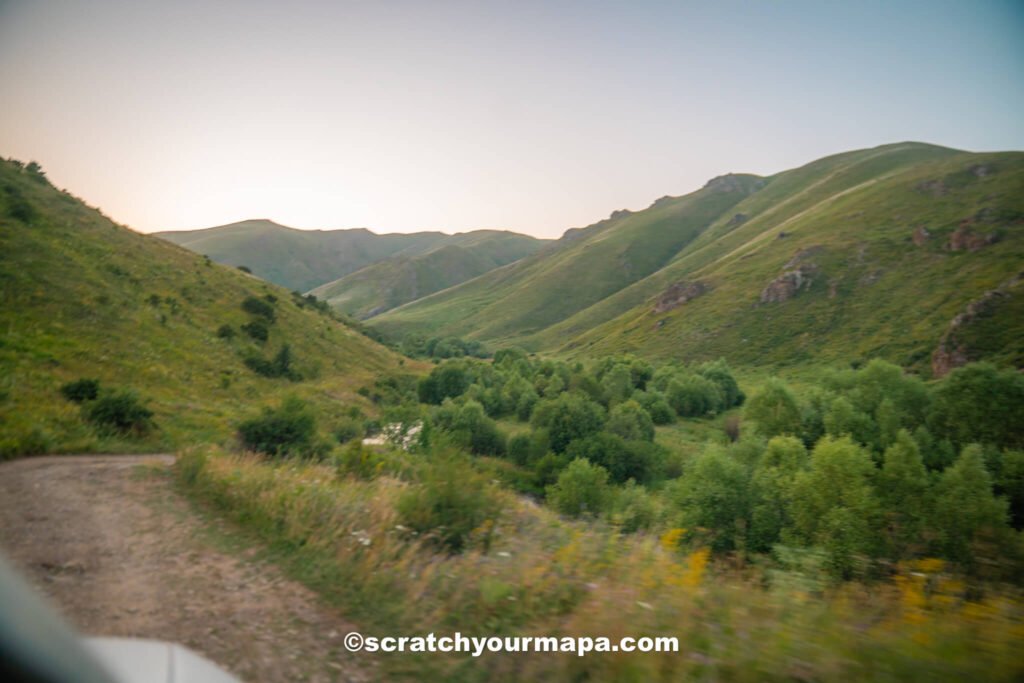
The type of car you rent can make a huge difference depending on where you’re planning to drive. A regular sedan might be perfectly fine for city driving and paved highways, but if you’re heading into remote areas, driving on dirt roads, or exploring places with deep sand, you’ll want to make sure your vehicle can handle the terrain.
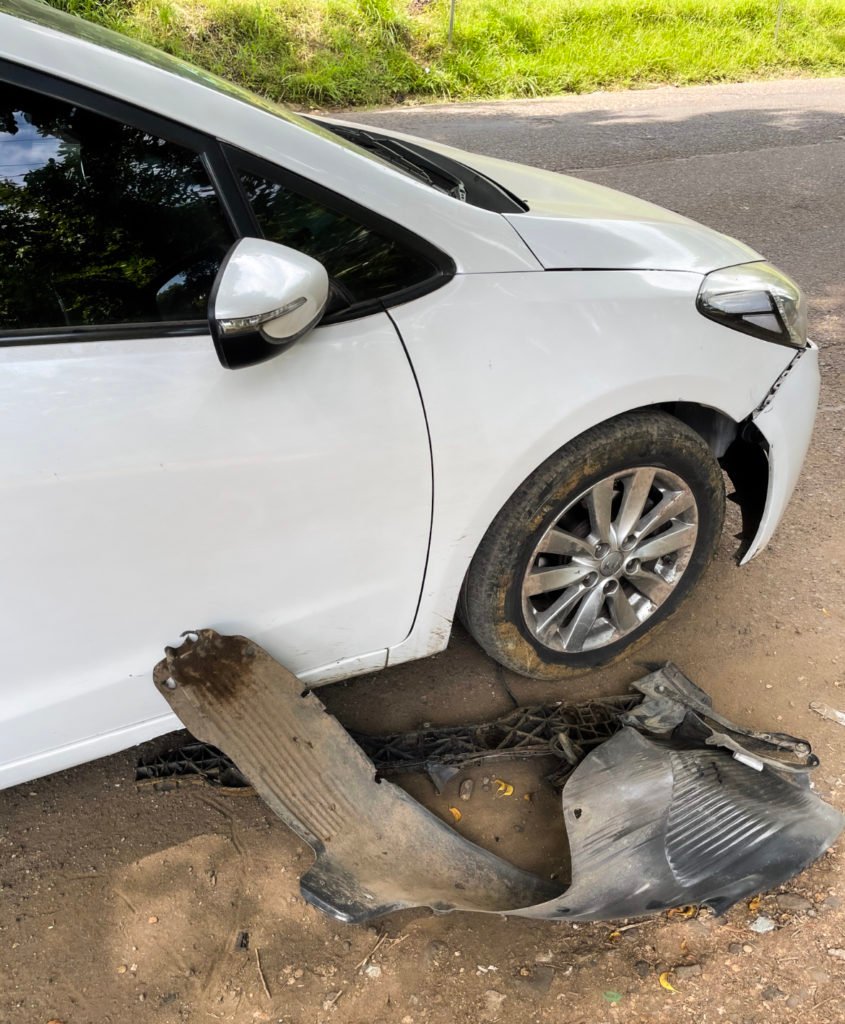
We found this out in Botswana when we got stuck in deep sand without the appropriate vehicle. In El Salvador, rough roads also caused damage to the underbody of our rental car. Both situations could have been avoided with a better understanding of the terrain and a vehicle better suited to the route.
Before setting off, look into the types of roads you’ll encounter and check whether you’ll need a higher-clearance vehicle or a 4×4. This is particularly important if you’re visiting national parks, remote beaches, desert areas, or other places where the roads can get pretty rough.
10. Don’t Let Your Fuel Tank Get Too Low
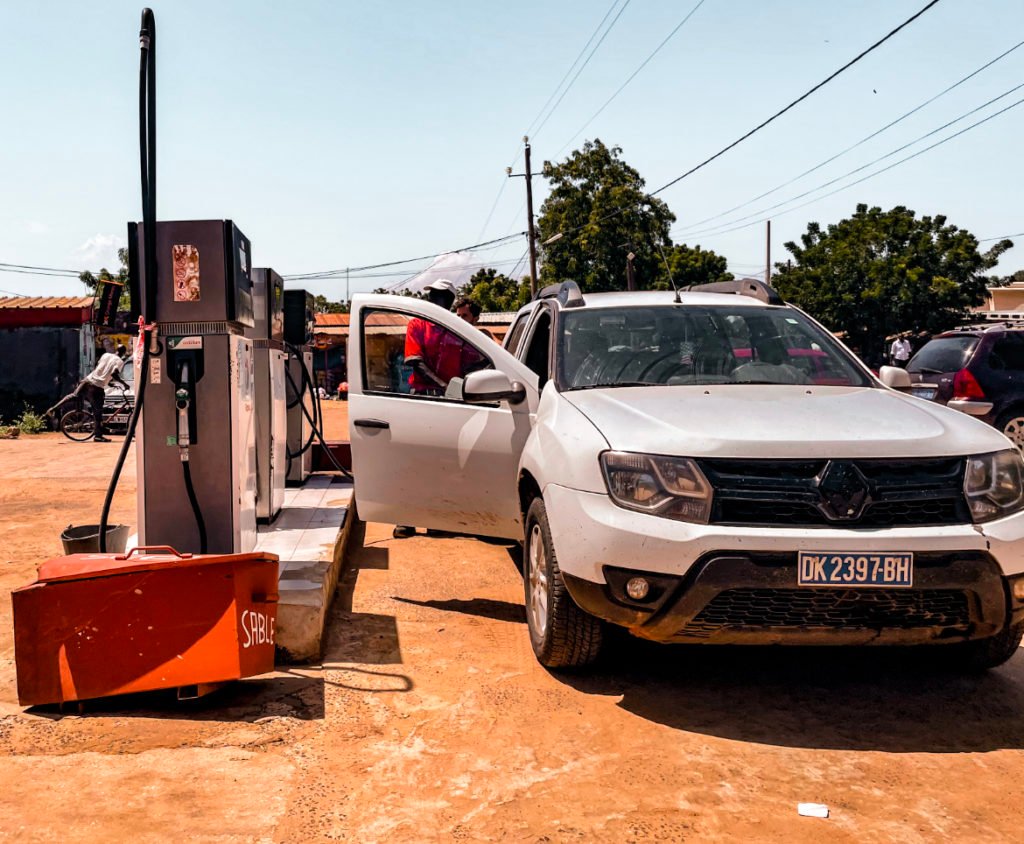
One thing we’ve learned from road trips in different parts of the world is that you should never assume there’s going to be a gas station around the corner. In some destinations, you can drive for hours without coming across one, and if you’re somewhere remote without cell service, you might not even be able to look up where the next one is.
We experienced this particularly in Senegal, where we drove for hours without seeing a gas station. When we finally found one, we were almost out of fuel and had another problem: there wasn’t an ATM anywhere nearby, and the gas station only accepted cash. We ended up getting just 4 euros worth of gas and returning days later to pay the man!
Obviously, that’s not a situation we’d recommend putting yourself in. Our advice is to fill up whenever you have a convenient opportunity, especially when driving through rural areas or remote destinations. Don’t wait until your fuel light comes on to start looking for a gas station.
11. Always Carry Some Local Cash
While we love how convenient cards and digital payments have become, you shouldn’t rely on them for absolutely everything when traveling. This is particularly true when taking road trips through smaller towns, rural areas, and less developed destinations, where cash may still be the only accepted payment method.
Our experience in Senegal was a perfect example. We had almost no gas left, finally found somewhere to refuel, and then realized they only accepted cash. There wasn’t an ATM for hours, so we were lucky the attendant was willing to let us take a small amount of fuel and come back to pay him a few days later.
Since then, we always make sure to have some local currency on hand when driving, even if we usually pay by card. You don’t need to carry a huge amount of cash, but having enough for fuel, parking, tolls, or an unexpected expense can make a massive difference when you’re somewhere without convenient access to ATMs.
12. Plan Your Bathroom and Rest Stops
When you’re planning a road trip, it’s easy to focus on the destinations and forget about all the little stops you’ll need along the way. But bathroom breaks, food stops, and opportunities to stretch your legs are part of the journey, and shouldn’t be forgotten when organizing your road trip itinerary.
This is especially important when traveling through remote areas where public restrooms and services might be limited. We recommend taking advantage of convenient stops when you come across them rather than assuming there will be another one just around the corner.
If you’re traveling with other people, communicate when you need a break instead of waiting until everyone is uncomfortable. A few extra minutes along the way are much better than turning the entire drive into an unpleasant experience.

💡 Fun Fact: Doing a road trip in Norway is extra fun because they have unique bathrooms. We recommend adding some to your itinerary!
13. Be Careful When Driving at Night
When we’re road tripping, we often end up driving after dark. We like to make the most of the daylight hours exploring, and we’re also big fans of catching sunset wherever we are. Sometimes that means getting back in the car once it’s dark, especially if we’re trying to reach another city or destination that same evening. But after driving in so many different countries, we’ve had a few experiences that made us realize that nighttime driving isn’t always the best idea.
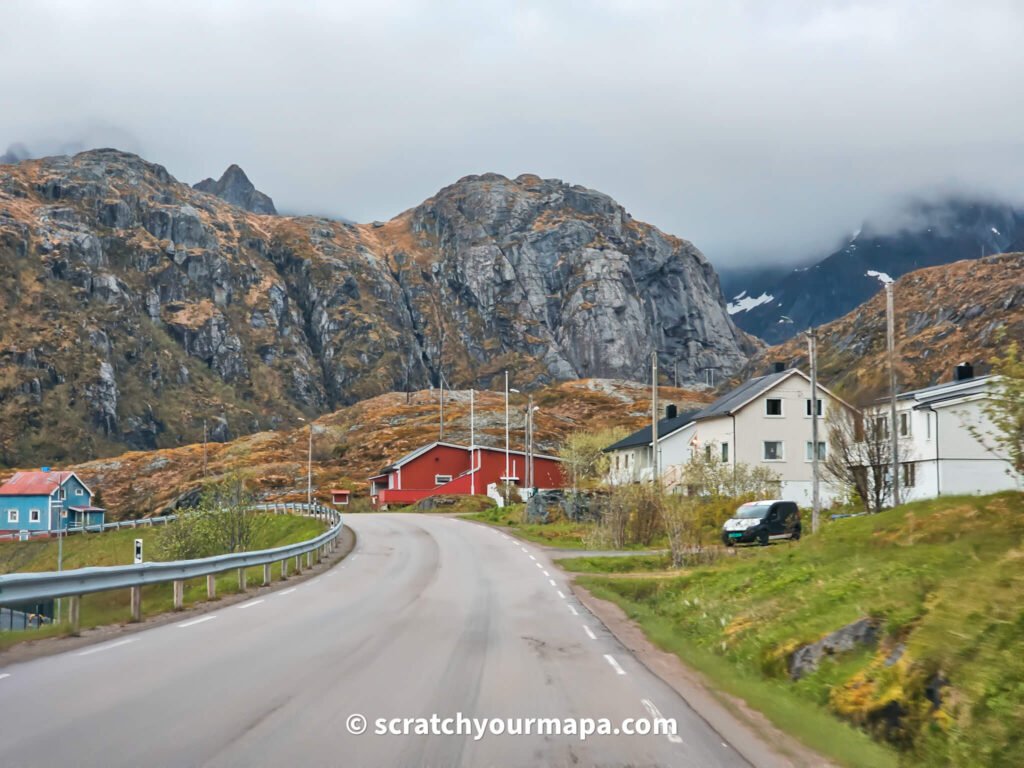
When we were crossing from Namibia into Botswana, the police warned us about driving at night because of the animals in the area. Sure enough, we ended up with an elephant crossing right in front of our car! In Mexico, while crossing from Guatemala, locals warned us that cartel groups take over certain roads at night and that it wasn’t safe to drive after dark. And in Georgia, we were driving around a mountain with no guardrails, where it was incredibly difficult to see the road and how close we were to the edge.
This is why we recommend researching nighttime driving before setting off in an unfamiliar destination. Ask locals about road safety, find out whether wildlife is a concern, and check if there are particular routes you should avoid after dark. Also, consider whether you really need to reach the next city that night. Sometimes it’s much better to find somewhere to stay near where you’re watching sunset and continue driving the next morning, rather than adding a long nighttime drive to the end of an already full day.

14. Pay Attention to Local Road Signs and Driving Habits
Driving in a new country means getting familiar with its traffic laws, and sometimes even the rules within a country can vary. We’ve gotten tickets in several destinations for things we simply weren’t aware of, so it’s something we recommend looking into before renting a car and hitting the road.
Even in Argentina, where Fede is from, traffic laws can change depending on the province. We actually got a ticket in Córdoba for not having our headlights on in broad daylight! That’s not something we’re used to in Buenos Aires, and it’s a pretty unusual requirement compared to what drivers are accustomed to in many other parts of the world.
Take a few minutes to check the local speed limits, headlight requirements, toll regulations, and any other driving rules that might be different from what you’re used to. It’s a lot easier to get familiar with them before you start driving than to find out about them through an unexpected ticket!
15. Understand the Parking Rules Before Leaving Your Car
Parking tickets can be an annoying and expensive surprise, particularly when you’re traveling abroad. We’ve received tickets in different situations, including times when we genuinely thought we were parked legally.
Before leaving your car, take a moment to check the signs and make sure you understand the parking rules. Pay attention to time restrictions, payment requirements, resident-only spaces, and any other local restrictions. If you’re unsure, it’s better to find another parking spot than risk getting a ticket. We always ask locals or police if we see any nearby just to be safe.
We also recommend keeping any parking payment receipts or confirmations until you’re sure everything is settled. And if you’re using a parking app, double-check that you’ve entered the correct location and vehicle information.


16. Keep Track of Traffic and Parking Fines
Getting a ticket while traveling is frustrating enough, but it can become even more expensive when you’re driving a rental car. We’ve received tickets in different countries, and one thing we’d recommend is checking whether you can pay them directly rather than having the rental company handle the payment for you.
When doing our road trip in Azerbaijan, we were hit with ridiculously high fees by our rental company in connection with tickets. Rental companies can add their own administrative charges on top of the original fine, which can make a relatively ordinary ticket much more expensive than it needs to be.
If you receive a parking ticket, speeding fine, or toll notice, check the payment instructions and see whether you can settle it directly with the local authorities. Keep your receipt or proof of payment, and make sure you understand any deadlines. This can save you from unnecessary extra charges when the rental company processes the fine later.
17. Leave Room for Spontaneous Stops
One of the best parts of taking a road trip is having the freedom to stop somewhere unexpected. You might come across a beautiful viewpoint, a small town you hadn’t planned to visit, or a stretch of scenery that makes you want to pull over and take photos. (It honestly happens to us all day every day 😂).
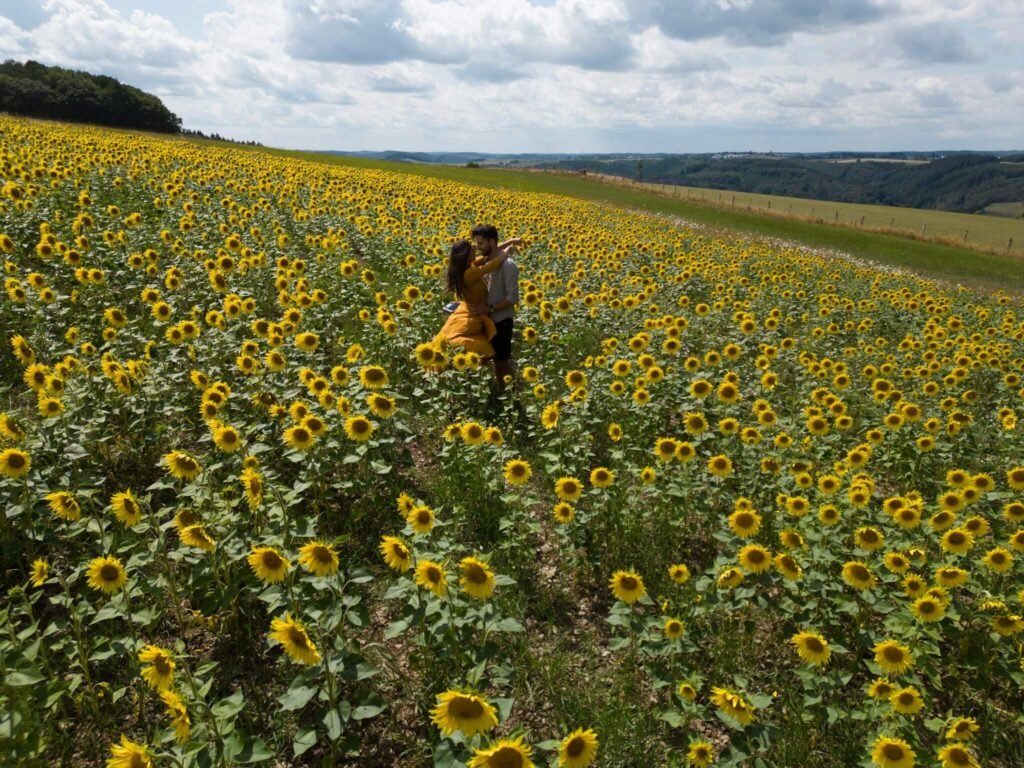
This is something we especially love as photographers. We’re always finding random waterfalls, flower fields, or stunning panoramas during our drives, and we end up stopping a ton. Having our own car means we can stop when the light is beautiful, spend extra time at a location, or change our plans without having to coordinate with a tour or public transportation schedule.
Of course, always make sure you’re stopping somewhere safe and legal. Don’t pull over on a narrow road or block traffic just because you want a photo. Leave yourself some flexibility in your schedule so you can enjoy these little moments without feeling like you’re falling behind.


18. Download Audiobooks and Other Entertainment for the Drive
We spend quite a bit of time in the car on our road trips, so we like having something ready to listen to along the way. We usually download audiobooks before setting off, which is a great way to learn something new while we’re driving instead of just listening to music.
Of course, there’s nothing wrong with having a good playlist on either! Podcasts are another option, especially if you want something shorter to listen to between stops.
The main thing is to download whatever you want to listen to before leaving, particularly if you’ll be driving through remote areas where you might lose signal. That way, you’re not relying on an internet connection to keep your entertainment going.
19. Get a Local SIM Card With Enough Data
Getting a local SIM card is one of our favorite road trip tips, especially if you’re traveling somewhere with patchy coverage. Having mobile data makes it much easier to use navigation, look things up along the way, and stay connected when you’re away from your accommodation.
It’s also something we rely on because I usually work on my laptop while Fede drives. We get a physical local SIM card rather than an eSIM, because we want to be able to use the phone’s hotspot and have enough connectivity to work on the road. I just connect my laptop to the hotspot and get things done while we’re traveling. One thing to keep in mind is that uploading and downloading files, streaming music, or watching videos can eat through your data surprisingly quickly, so I save those tasks for when we have Wi-Fi.
I also keep a list of things I can work on offline, so I’m not wasting time whenever we lose signal. If you work remotely while traveling, or simply want to stay connected during your road trip, having a local SIM with a good data plan can make a big difference. Just check the coverage in the areas you’ll be visiting and make sure your plan includes enough data for hotspot use.

Is it Possible to Work While Traveling? 12 Tips for Being Productive While Exploring
In this guide, we help digital nomads get more done while they’re on the road, without cutting into precious time exploring.
20. Keep Important Documents and Emergency Information Accessible
You don’t want to be searching through your luggage if you need an important document or emergency contact. Keep the paperwork and information you’ll need during your road trip somewhere secure and easy to access! We also keep digital copies of everything in our favorites on our phone, so that we have everything quickly to access while we’re offline.
Depending on your destination and rental arrangement, this may include:
We also recommend saving digital copies of important documents somewhere secure. Make sure you know who to contact if something happens to the vehicle, and check what roadside assistance is available before you start driving.
21. Know What to Do If Something Happens
Breakdowns, accidents, and unexpected problems can happen on any road trip. If you’re driving abroad, dealing with them can be even more complicated, especially when there’s a language barrier or you’re unfamiliar with local procedures. Knowing how to handle these situations can save you a lot of trouble.
⚠️ Be Careful With Accident Reports and Paperwork
We had a pretty frustrating experience in Georgia when a police officer tried to pass us, but had to move back over quickly when oncoming traffic appeared and ended up hitting our car. When we went to the police station afterward, the report was written in Georgian and, somehow, the officer’s responsibility had been removed from the document. Had we signed it without checking, it could have caused a serious problem with the rental company’s insurance.
Instead, we sent the report to the rental company before signing anything. They eventually spoke directly with the police and got everything sorted out. It was a good reminder to be particularly careful with paperwork after an accident abroad, especially when you can’t read the language.
If something similar happens to you, take photos of the scene and the damage, collect the other party’s information, and contact your rental company before signing any documents you don’t understand. You don’t need to feel pressured into accepting a report or taking responsibility before you’ve had a chance to check everything properly.
22. Don’t Let Your Itinerary Control the Entire Trip
A road trip itinerary is useful, but it shouldn’t become something that makes the experience stressful. Even the best plans can change because of weather, road conditions, unexpected delays, or simply finding somewhere you want to spend more time.
We’ve learned that some of the best parts of traveling happen when we leave room for flexibility. You might discover a place you hadn’t researched, decide to stay longer somewhere beautiful, or realize that a planned drive isn’t practical or possible after all.
We recommend having a general idea of what you want to see while giving yourself permission to adjust. If you have a strict schedule, keep your most important stops as priorities and treat everything else as flexible. The goal is to enjoy the journey, not just check every destination off a list.

Frequently Asked Questions About Driving & Our Road Trip Tips
Have you gone through our road trip tips and still have questions? Here are some frequently asked questions cross the web, and our personal advice for each of them.
What are the best road trip tips for a long journey?
Some of our favorite road trip tips include downloading offline maps, carrying local cash, keeping snacks and water in the car, and having a small bag of essentials within easy reach. We also recommend researching road conditions and local driving rules before setting off. After driving in so many different countries, we’ve found that a little preparation can make a huge difference once you’re on the road.
How many hours should you drive in a day on a road trip?
There’s no single number that works for every road trip. It depends on the roads, the destination, how many stops you want to make, and how comfortable you are with long drives. We recommend looking at the actual driving conditions rather than relying only on the distance between destinations. For example, in Armenia, some drives took much longer than we expected because of the roads. And if you’re feeling tired, it’s always better to stop and continue the next day.
What should you pack for a road trip?
Along with your regular luggage, we recommend keeping a separate bag in the car with things you might need throughout the day. Ours includes items like sunscreen, sunglasses, wet wipes, basic toiletries, medication, a phone charger, a power bank, a reusable water bottle, a swimsuit, and a towel. Having everything together means you don’t have to keep digging through your main luggage every time you need something.
How do you stay connected during a road trip?
We usually get a local physical SIM card with a good data plan. This gives us mobile data for navigation and looking things up along the way, and it also lets us use our phone as a hotspot. I often work on my laptop while Fede drives, so having enough data to hotspot is particularly useful for us. We also keep offline tasks ready for areas where there’s no signal. If you’re planning to work on the road, check that your SIM plan allows hotspot use and has enough data for it.
Is it safe to drive at night on a road trip?
That really depends on the destination and the roads you’re taking. In Botswana, police warned us about wildlife crossing the roads at night, and we ended up seeing an elephant right in front of our car. In Mexico, locals warned us about cartel activity on certain roads after dark, while in Georgia, we drove around a mountain with no guardrails and very little visibility. Research the specific area before setting off, and consider staying overnight near your last stop rather than making a long drive after sunset.
How do you avoid running out of gas on a road trip?
We recommend filling up whenever you have a convenient opportunity, especially when driving through rural or remote areas. In Senegal, we once drove for hours without seeing a gas station and eventually found one when we were almost out of fuel. The station only accepted cash, and there wasn’t an ATM nearby, so we ended up getting just 4 euros worth of gas and returning days later to pay the attendant. It’s also a good reason to keep some local currency with you when driving.
How do you choose the right car for a road trip?
Start by looking at the roads and terrain you’ll be driving on. If you’re sticking to paved highways and cities, a regular car may be perfectly fine. But if you’re visiting remote beaches, national parks, desert areas, or places with deep sand and rough roads, you may need a higher-clearance vehicle or a 4×4. We got stuck in deep sand in Botswana without the right vehicle, so it’s something we’d pay particular attention to when planning a route.
What should you do if you get a traffic or parking ticket while traveling?
Check the payment instructions and see whether you can pay the fine directly rather than having your rental company handle it. Rental companies can add administrative fees on top of the original fine, and we were charged exorbitant extra fees by a rental company in Azerbaijan. Keep your ticket and proof of payment, and check any deadlines so you don’t end up paying more than necessary.
Should you plan your entire road trip itinerary in advance?
We recommend having a general route and knowing which places you really want to visit, but leaving some flexibility along the way. We love road trips because having a car gives us the freedom to stop for viewpoints, explore somewhere unexpected, and catch sunset in places we might otherwise have driven straight past. If you’re still putting your route together, check out our guide to A Step-by-Step Guide to Planning an Epic Road Trip Itinerary for more detailed planning advice.
Final Thoughts and Tips for Planning a Road Trip
Road trips are one of our favorite ways to explore a destination because they give us so much freedom to discover places at our own pace. We’ve driven through all kinds of landscapes and road conditions around the world, and no two trips have ever been quite the same.
Whether you’re planning a weekend getaway or a multi-country adventure, a little preparation can make the experience much easier. Here are the road trip tips we’d keep in mind before setting off:
Most importantly, enjoy the drive! Some of our favorite travel memories have come from the unexpected places we’ve stopped along the way, and that’s exactly what makes road trips so special.
Want to save the article for later? Pin it!

👀 What’s Next?
How you know all of our top road tip tips, and can have a successful, comfortable, and stress-free adventure exploring by car.
Here are some other driving guides we have:
🇦🇿 Renting a car in Azerbaijan
🗺️ Azerbaijan road trip
🚗 Southern Africa road trip
🇵🇪 Renting a car in Peru
🛣️ How to drive from Namibia to Botswana
🗿 How to drive to Machu Picchu
🇳🇦 Driving through Namibia
🇿🇦 South Africa Panorama Route
🇳🇴 Complete guide for driving in Norway
🇮🇸 Roadtripping Iceland
🤠 Roadtripping Texas
💧 Route of the Seven Lakes in Patagonia
🇲🇦 Should you rent a car in Morocco?
🇸🇳 Renting a car in Senegal
🇨🇾 Driving in Cyprus
🇸🇻 Renting a car in El Salvador
🇵🇷 Road to in Puerto Rico
🇲🇽 A guide to driving in Mexico




Ready to start planning an awesome road trip? We hope you learned a lot from our road trip tips, and that your adventure goes smoothly.
Looking for some travel inspo for particular road trips? We have different driving guides for a variety of destinations that you can check out. Also, don’t forget to subscribe to our newsletter for our weekly article updates, and for exclusive discounts on our shop!
Need more help planning your road trip? We can plan your travels for you, or you can sign up for a one-on-one consultation.

Here are some other guides you’ll love: