
The Ultimate Guide to Planning a Road Trip You’ll Never Stop Talking About
Exploring somewhere new by car is one of the most fun ways to travel, and gives you a ton of freedom in creating a fun itinerary, and traveling on your own terms. But planning a road trip isn’t as simple as just renting a car and driving around. There’s a lot to consider, and we’re here to make sure you don’t forget anything along the way.
We’ve done island roadtrips around Iceland, Madeira, the Canary Islands, and Malta, and we’ve also done 2-3 month trips with larger road trips in Southern Africa, the Balkans, and Western Europe. Each trip gave us new road trip tips, and lessons to help you plan a road trip without hiccups.
In this guide, we’re sharing our best advice for planning a road trip, from deciding whether you actually need a car to booking a rental, creating a realistic itinerary, staying safe on the road, and returning your vehicle without unexpected charges.
Want to save the article for later? Pin it!
*Please note that this blog post may contain some affiliate links, which we make a small profit on, at zero cost to you. Links are only used on products & services that we’ve used and believe in, to give you the best buying experience. Purchasing from these links helps us to continue providing free travel guides for you- so thank you for your support!
Our Travel Planning Recommendations
The Basics of Planning a Road Trip
Before you start booking a rental car or mapping out every stop, let’s first see if planning a road trip is actually the right choice for your trip, and what to consider if you do plan on doing one.
👀 How to Know If a Planning a Road Trip Is the Right Choice for Your Trip
A road trip can be one of the best ways to explore a new destination! But it certainly isn’t the answer to every place. Here are a few ways to know if you should in fact be planning a road trip, or if you should plan an alternative.
👍🏼 When it’s Worth Planning a Road Trip
We love road trips because they give us the freedom to explore beyond the main tourist areas, stop whenever we find somewhere interesting, and visit places that aren’t always easy to reach by public transportation.
This was especially true on our trips through Armenia, Azerbaijan, and Southern Africa, where having a car allowed us to explore remote landscapes, small towns, and reach places that would be difficult to reach without a vehicle. As photographers, we also love having a car because we’re able to explore places on our own schedule, like arriving to a park or viewpoint before sunrise.
A road trip can be a great option if you’re visiting several destinations, exploring rural areas, or traveling somewhere with limited public transportation. It can also be worthwhile when you’re traveling with a group, carrying lots of luggage, or want the flexibility to change plans along the way.



👎🏼 When You Might Be Better Off Without a Car
Driving isn’t always the most practical or affordable option. If you’re spending most of your trip in a city with good public transportation, parking and rental costs will likely outweigh the benefits of having a vehicle. Organized tours, buses, trains, or hiring a driver may also make more sense if the roads are difficult to navigate or you’re uncomfortable with the local driving conditions.
Before you commit to planning a road trip, compare the total cost and convenience of driving with your other options. Include the rental, insurance, fuel, tolls, parking, and potential extra fees, and consider how much of your time you’ll actually spend driving.

⭐️ Things to Consider When Planning a Road Trip
Every road trip requires a little different preparation, depending on the destination, the route, and the type of experience you’re looking for. These are the main things you should think about when planning your road trip.

Upgrade Your Inspo
Get the best travel tips, tricks, and hidden gems sent directly to your inbox. You’ll become a better traveler, week after week.
Upgrade Your Inspo
Get the best travel tips, tricks, and hidden gems sent directly to your inbox. You’ll become a better traveler, week after week.
How to Plan a Road Trip Step-by-Step
Once you’ve decided that a road trip is the right choice, it’s time to plan the details. We recommend figuring out where you want to go and what the roads are like before booking a vehicle, since your route will influence everything from the type of car you need to how much time you should allow.
1. Research Your Destination and Driving Requirements
Before choosing a route, find out what driving in your destination is actually like. This is particularly important when traveling abroad, because traffic laws, road conditions, and rental restrictions can differ significantly from what you’re used to at home.
Start by checking which side of the road people drive on, road conditions, and if you need a special license. When we were in Japan we had originally planned on doing a road trip. But both Japan and South Korea require a physical International Driving Permit, something that not all countries enforce.
On our Southern Africa road trip, we got a car in South Africa where they drive on the left. But our itinerary also included countries that drove on the right. This is a big adjustment for many people, and needs to be considered by people who aren’t used to driving on the other side of the road.
2. Choose Your Rental Car
Choosing your rental car is one of the most important steps for planning a road trip that goes smoothly! It’s not just about booking the cheapest car. It’s actually about finding a vehicle that will work for the type of trip you’re looking to have.
Here are some things to consider when renting a car for your road trip:

Coming Up: Tips for Renting a Car During Your Travels (We Wish We Knew These Before Our Road Trips!)
3. Plan Your Road Trip Itinerary and Decide How Much Time You Need
Now that you know where you can drive, and what car you need, it’s time to start putting your itinerary together. Make a list of the places you want to visit, group nearby attractions together, and decide where you’ll spend each night.
One of the biggest mistakes you can make is planning a road trip route based only on distance. A drive that looks short on a map can take much longer when you’re navigating winding mountain roads, passing through towns, or stopping for photos.
We experienced this in both Azerbaijan and Armenia, where the driving time between places didn’t always reflect how long the journey actually took.
When planning your itinerary, make sure you account for:

Coming Up: A Step-by-Step Guide to Planning an Epic Road Trip Itinerary
4. Prepare for the Drive
Before leaving, make sure you have everything you’ll need to navigate and handle unexpected situations. Save your rental agreement, driver’s license, any required permits, insurance details, and the rental company’s emergency contact information.
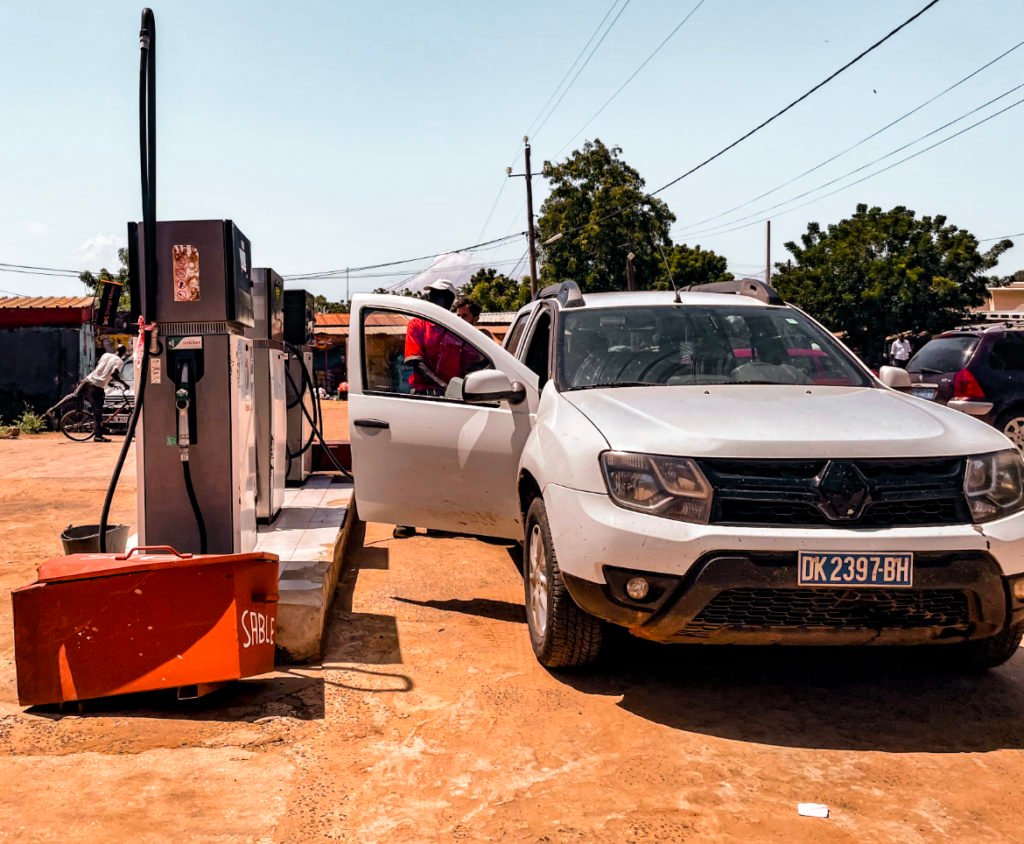
Download offline maps for your route, check the weather forecast, and identify fuel stations along longer stretches of road. If you’re visiting remote areas, fill up before leaving larger towns rather than assuming you’ll find another station nearby. Keep water and snacks in the car, and plan breaks so you aren’t driving for hours without stopping.
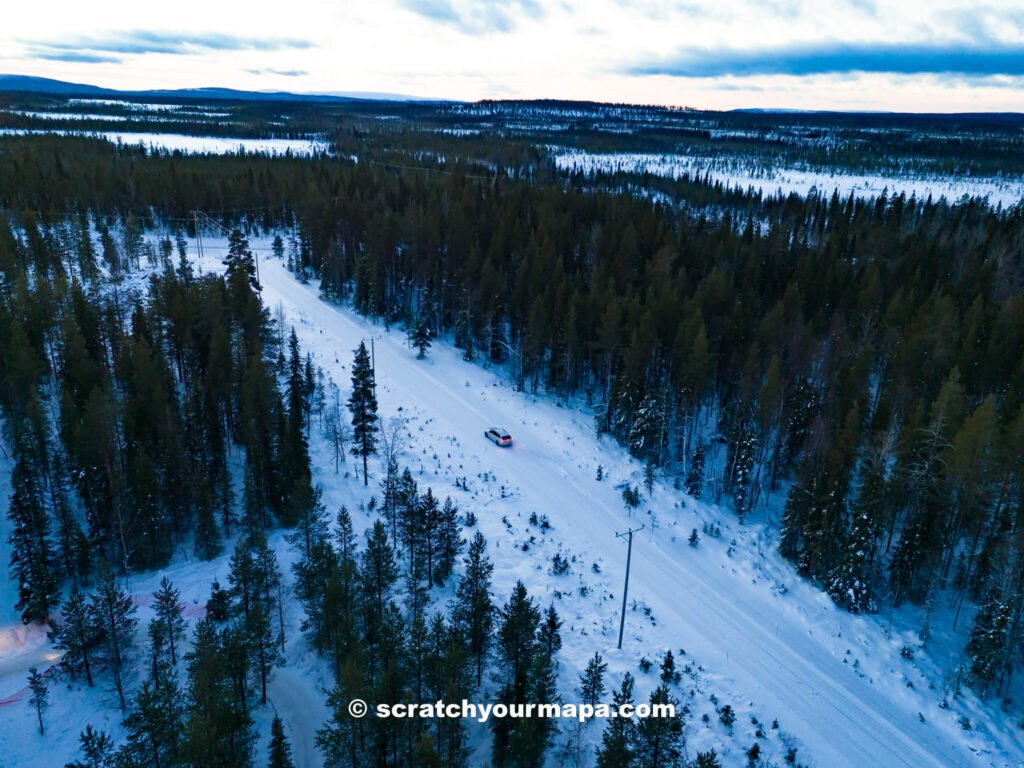
It’s also worth checking whether you need special equipment for the destination or season. Depending on where you’re traveling, this could include snow chains, appropriate tires, or other legally required equipment. In places such as Iceland, road and weather conditions can change quickly, so it’s important to check current conditions and make sure your vehicle is suitable for the routes you plan to take.
5. Inspect the Car Before Driving Away
This is one of the most important things to do when renting a car. Before leaving the lot, take photos and videos of the entire vehicle, including the wheels, windshield, mirrors, bumpers, interior, and any scratches, dents, or scuffs. Make sure existing damage is recorded on the rental paperwork, and report anything that hasn’t been documented.
Take a photo of the fuel gauge and odometer, too. It’s important to have a clear record of the vehicle’s condition when you collected it, particularly if a dispute comes up after returning it.
Don’t limit your inspection to cosmetic damage. Check the tires, lights, and dashboard for warning lights, and pay attention to anything that feels wrong.
We once had brakes that were nearly at the end of their life and discovered the problem while driving down a mountain in the Adirondacks. It’s not a situation you want to find yourself in, especially on unfamiliar roads. If the brakes, steering, tires, or another essential system seem unsafe, don’t continue driving. Contact the rental company and ask for assistance or a replacement vehicle.
Are you in a rush?
Get got you! Save it on Pinterest to read it later.

Save to Pinterest

6. Drive Safely
Even with a great itinerary, road conditions can change. Check weather and road updates before setting out, avoid driving unfamiliar roads at night when possible, and don’t push yourself to reach a destination if you’re tired or the conditions are unsafe.
🚦 Speed Limits, Parking, & Other Traffic Laws
Be particularly careful with speed limits and parking rules. Depending on the country, speed cameras may be much more common than roadside police checks, and tickets can arrive after you’ve returned home.
The rental company may also charge an administrative fee for processing a fine, which was in the fine print on our agreement while renting a car in Azerbaijan. They ended up charging us an extortionate amount, and we never even realized we were speeding.
While driving in Puerto Rico, we also learned the hard way that parking rules aren’t always as obvious as they seem. We received tickets despite thinking we’d parked legally, so check signs carefully and don’t assume a space is permitted just because other cars are parked there.
🛣️ Road Conditions and Awareness
It’s also important to pay extra caution when driving anywhere new, as customs are not always the same. When driving in Brazil our friends would run red lights, and pedestrians would cross in the middle of the road. Always keep an extra eye out, and try to observe what’s customary in that country.
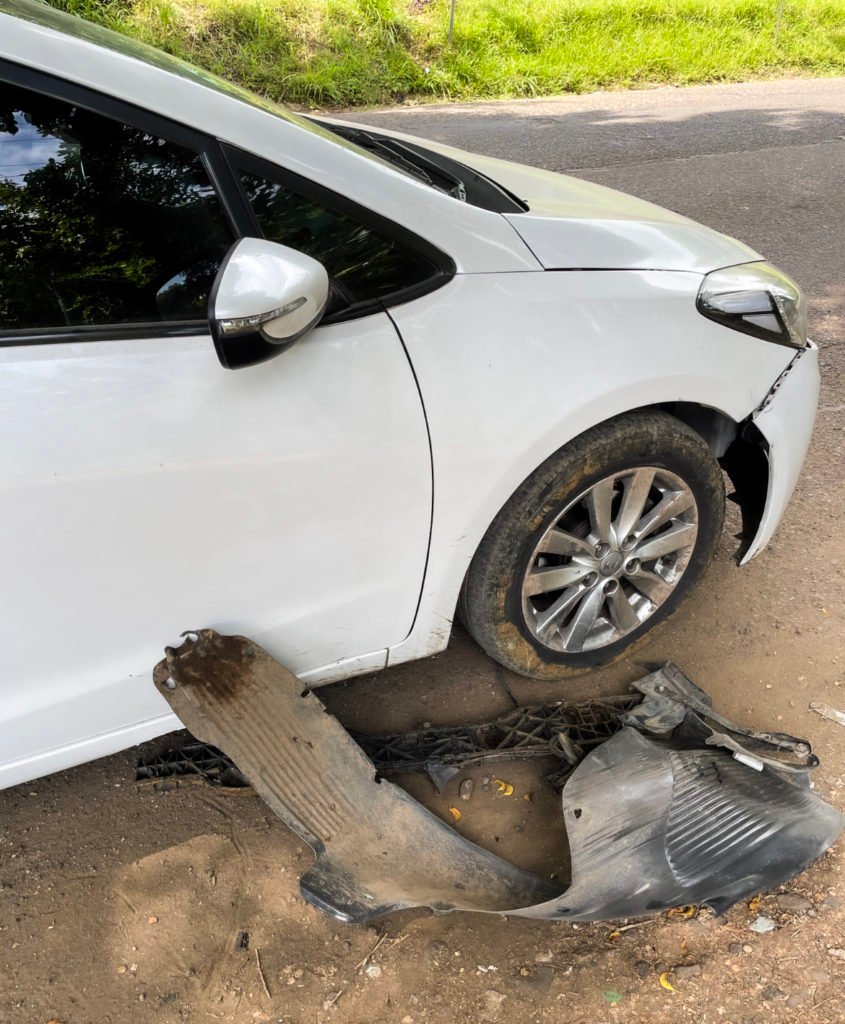
If you encounter a road that looks too rough for your vehicle, don’t risk getting stuck or damaging the rental. I made the mistake when driving in El Salvador, and ripped the entire undercarriage of the car. It was not cheap!
Likewise, if the car develops a mechanical issue, contact the company immediately. Keep a record of your communications and follow their instructions rather than continuing to drive a vehicle that may be unsafe.
7. Be Prepared to Adjust Your Plans
When planning a road trip, sometimes the best thing you can do is to be prepared for the unknown.
We’ve had some road trips that went super smoothly, and others where we got stranded in the middle of nowhere for hours on end, or had to go get our car fixed. While we hope this doesn’t happen to you, it’s always smart to be safe than sorry! Have a Plan B, give yourself extra time, and leave room for flexibility.
8. Return the Rental Car Properly
Before the last day of your trip, confirm the exact return location, opening hours, and drop-off procedure. Rental-car return areas can be different from pickup locations, especially at airports, and you don’t want to be searching for the right entrance when you’re already running late. Make sure to leave yourself extra time, as returning vehicles sometimes can take longer than expected.
Refuel according to your rental agreement, allowing enough time to find a gas station near the drop-off location. Once you’ve parked, take photos and videos of the car’s condition, fuel gauge, and odometer. Keep the original files in case the company later claims damage or missing fuel, and keep copies of everything!
Whenever possible, get confirmation that the car has been returned and keep your paperwork and receipts. If you’re returning it outside business hours, follow the company’s instructions carefully and save a record of where and when you left the vehicle. Check your final invoice afterward so you can identify any unexpected charges.
Frequently Asked Questions About Planning a Road Trip
Now you know pretty much everything you need to know for planning a road trip! In case you missed anything though, here’s. around-up of some frequently asked questions we’ve answered.
How do you plan a road trip?
What should you consider when planning a road trip?
How do you know if a road trip is worth it?
How far in advance should you plan a road trip?
How do you plan a realistic road trip itinerary?
What should you check before starting a road trip?
What should you do if something goes wrong during a road trip?
How can you avoid unexpected rental car charges on a road trip?
Final Thoughts and Tips for Planning a Road Trip
Planning a road trip gives you the freedom to explore at your own pace, discover places beyond the usual tourist routes, and build an itinerary around the experiences you care about most.
But after our own road trips through different countries and driving conditions, we’ve learned that the best trips aren’t necessarily the ones with the most stops. They’re the ones where we’ve allowed enough time to enjoy the journey and prepare for the unexpected.
You don’t have to plan every minute, but doing your research before you leave can save you money, time, and some seriously stressful situations. Keep these final tips in mind when planning your next adventure.
And if you’re ready to get into the details, check out our upcoming guides on tips for renting a car, planning a road trip itinerary, and our broader road trip tips guide for more advice to help you prepare for your next adventure.
Want to save the article for later? Pin it!
👀 What’s Next?
How you know all of the steps for planning a road trip, let’s take a look at some other driving guides we have:
🇦🇿 Renting a car in Azerbaijan
🗺️ Azerbaijan road trip
🚗 Southern Africa road trip
🇵🇪 Renting a car in Peru
🛣️ How to drive from Namibia to Botswana
🗿 How to drive to Machu Picchu
🇳🇦 Driving through Namibia
🇿🇦 South Africa Panorama Route
🇳🇴 Complete guide for driving in Norway
🇮🇸 Roadtripping Iceland
🤠 Roadtripping Texas
💧 Route of the Seven Lakes in Patagonia
🇲🇦 Should you rent a car in Morocco?
🇸🇳 Renting a car in Senegal
🇨🇾 Driving in Cyprus
🇸🇻 Renting a car in El Salvador
🇵🇷 Road tp in Puerto Rico
🇲🇽 A guide to driving in Mexico
Ready to start planning your best road trip yet? Let us know if you have an questions in the comments below!
Looking for some other travel inspo for particular road trips? We have different driving guides for a variety of destinations that you can check out. Also, don’t forget to subscribe to our newsletter for our weekly article updates, and for exclusive discounts on our shop!
Need more help planning your road trip? We can plan your travels for you, or you can sign up for a one-on-one consultation where we spend time walking you through anything you need.

Here are some other guides you’ll love: