

The Ultimate Rome Travel Blog: Activities, Transportation, Tips, & More
Planning a trip to Rome can feel overwhelming. Between ancient ruins, world-famous museums, hidden piazzas, incredible food, and countless neighborhoods to explore, it’s hard to know where to begin. That’s exactly why we created the ultimate Rome travel blog.
Instead of giving you another generic list of attractions, we’ll help you prioritize your time with practical tips, local insights, and all of the information you need to plan an epic trip.
Rome is a city we’ve been lucky enough to experience again and again. Between visiting close friends who live there and stopping in while working on cruise ships, we’ve explored Italy’s capital eight different times over the years. Every visit has shown us something new, whether it’s an incredible neighborhood restaurant, a hidden church, or a unique experience that most visitors never hear about.
In this guide, we’ll cover everything from when to visit Rome and how to get around to where to stay, what to eat, and the best things to do. We’ll also link to our more detailed Rome guides throughout the article, so you can dive deeper into the topics that interest you most while planning your itinerary.
Want to save the article for later? Pin it!
*Please note that this blog post may contain some affiliate links, which we make a small profit on, at zero cost to you. Links are only used on products & services that we’ve used and believe in, to give you the best buying experience. Purchasing from these links helps us to continue providing free travel guides for you- so thank you for your support!
Our Travel Planning Recommendations
The Basics of Planning a Trip to Rome for the First Time
If you’re planning a trip to Rome, these are some of the first questions you’ll probably ask. From what Rome is famous for and whether it’s worth visiting to where it’s located, these basics will help you better understand the city before you start building your Rome itinerary.
⭐️ What is Rome Famous For?
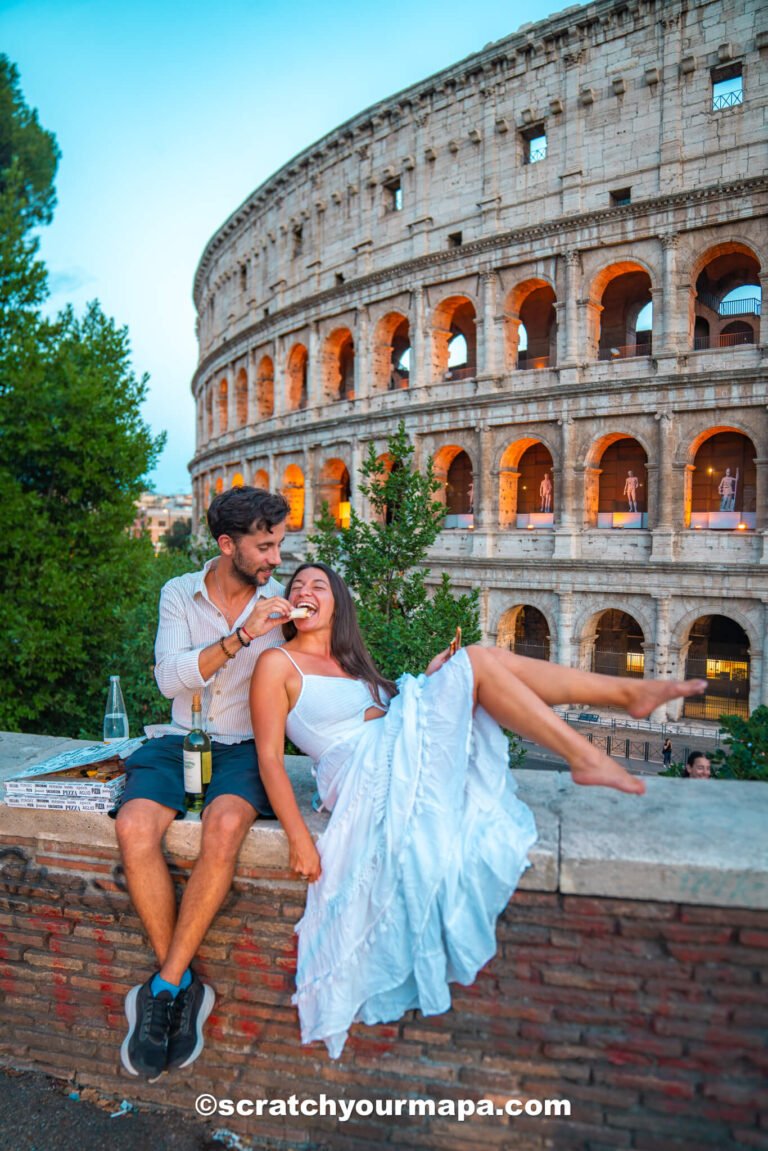
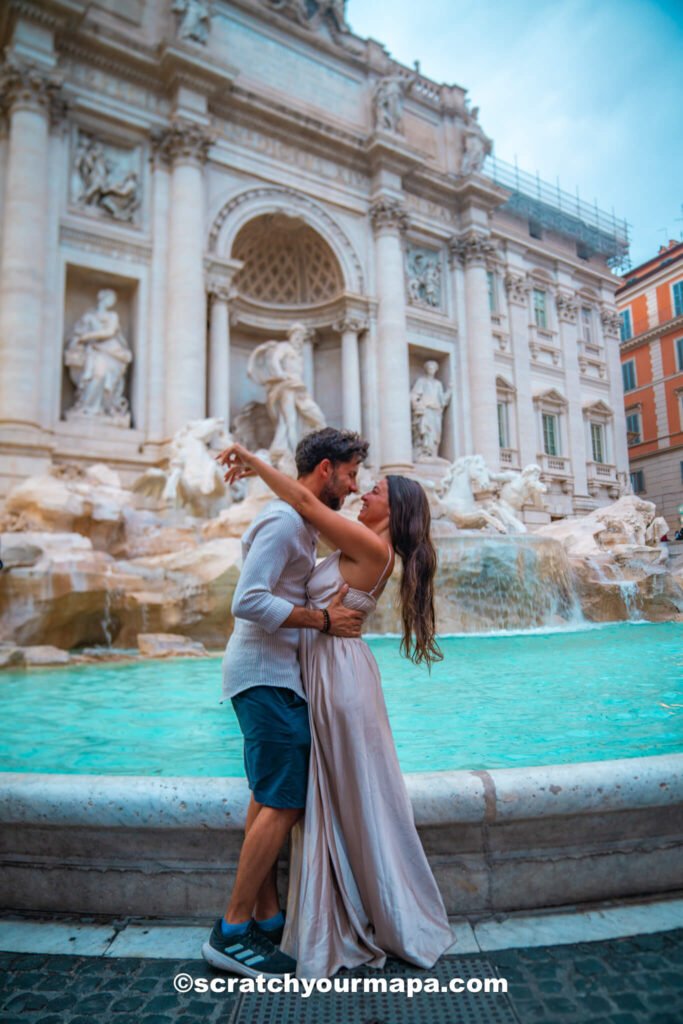
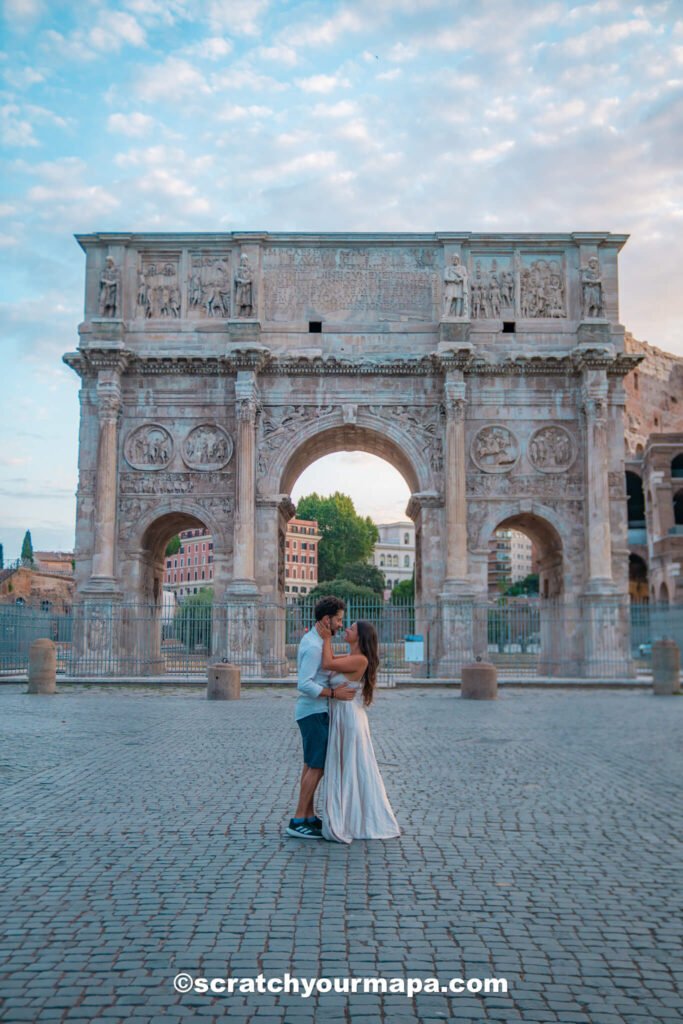
Rome is famous for its ancient history, iconic landmarks, incredible food, and Vatican City. It’s home to world-famous attractions like the Colosseum, Trevi Fountain, the Pantheon, the Roman Forum, and St. Peter’s Basilica, making it one of the most popular destinations in Europe.
While these landmarks are reason enough to visit, we think what makes Rome so special is everything in between. After visiting Rome eight different times, we’ve learned that some of our favorite memories come from wandering through quiet piazzas, discovering beautiful basilicas, stumbling upon hidden viewpoints, and sitting down for a long Italian meal. The more you explore, the more you’ll realize there’s so much more to Rome than its famous attractions.
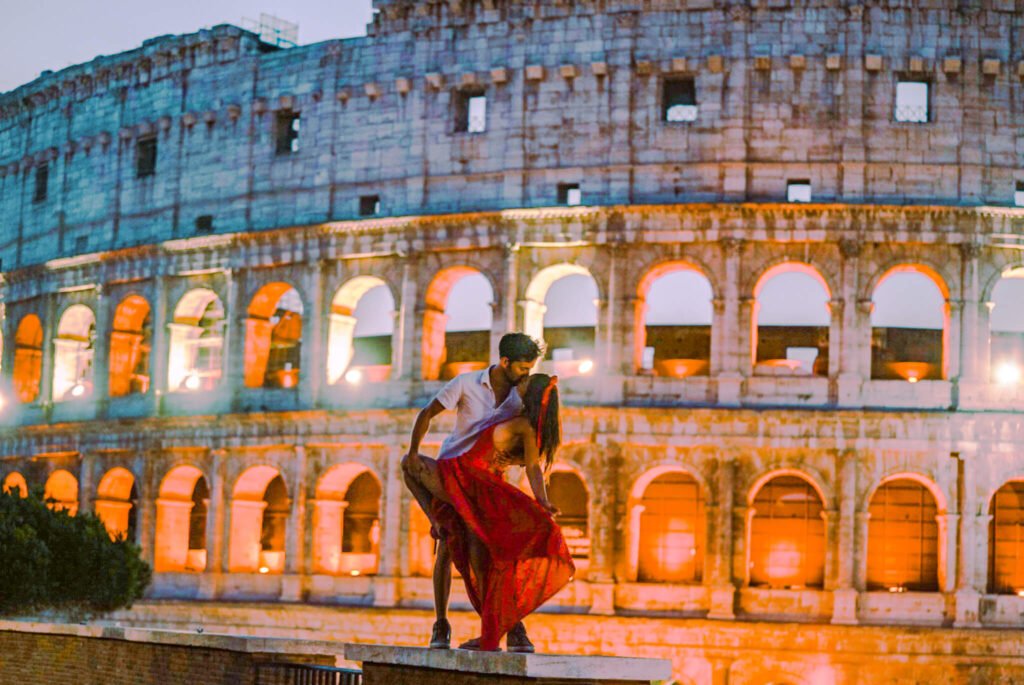
🤔 Is Rome Worth Visiting?
Rome is absolutely worth visiting, and one of those cities that really should be on every traveler’s bucket list. Whether you’re visiting Rome for the first time or returning for another trip, it really is a destination that never gets old. Every visit offers something different, whether that’s discovering a new neighborhood, trying another incredible restaurant, or experiencing one of the city’s countless festivals and cultural events.
Of course, Rome can be busy, especially during the summer months, and popular attractions often sell out well in advance. But with a little planning, it’s easy to avoid many of the common mistakes first-time visitors make. That’s exactly what this Rome travel blog is here to help you with.

📍 Where is Rome in Italy?
Rome is the capital of Italy and is located in the Lazio region in central Italy. Thanks to its excellent international airport, high-speed rail network, and cruise port nearby in Civitavecchia, Rome is one of the easiest cities in Europe to reach.
Its central location also makes it the perfect base for exploring other parts of Italy, whether you’re planning to visit Florence, Naples, the Amalfi Coast, Tuscany, or Venice as part of your itinerary.
Planning a Trip to Rome: Getting There
The first step to planning a trip to Rome for the first time is figuring out how you’ll get there!
✈️ How to Get to Rome
One of the first things you’ll need to decide when planning a trip to Rome is how you’ll get there. Fortunately, Italy’s capital city is well connected and can be reached in several different ways depending on your itinerary and where you’re traveling from.
✈️ By Plane: Rome has two international airports, making it easy to fly in from destinations around the world.
🚆 By Train: High-speed trains connect Rome with many of Italy’s most popular cities, including Florence, Naples, Milan, and Venice.
🚢 By Cruise: Many Mediterranean cruises stop at the nearby port of Civitavecchia, making Rome an easy day trip or embarkation point.
🚗 By Car: If you’re planning an Italian road trip, driving to Rome is another option, although parking and traffic can be challenging within the city.
No matter how you plan to arrive, we’ve put together a complete guide covering each transportation option, along with tips for choosing the best one for your trip.
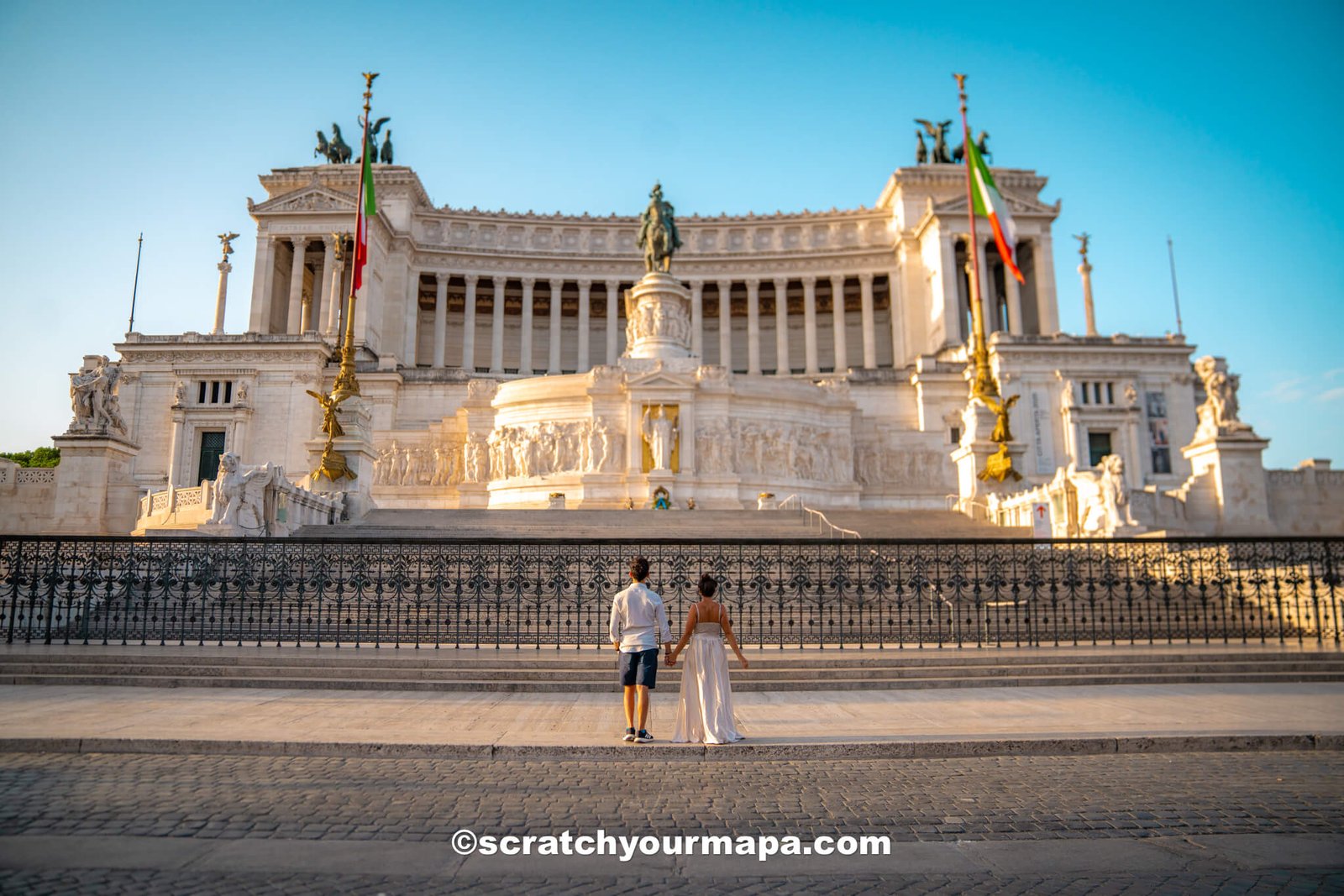
How to Get to Rome (by Plane, Train, Cruise, & More)
Our guide shares all of the ways to get to Italy’s capital, along with entry requirements and tips for travel.
🛂 Italian Travel Requirements
Italy is part of the Schengen Area, so entry requirements depend on your nationality. Many travelers, including those from the United States, Canada, the United Kingdom, Australia, and most European countries, can visit Italy visa-free for up to 90 days. However, some nationalities will need to obtain a visa before traveling, so it’s always best to check the latest requirements before booking your trip.

Upgrade Your Inspo
Get the best travel tips, tricks, and hidden gems sent directly to your inbox. You’ll become a better traveler, week after week.
Upgrade Your Inspo
Get the best travel tips, tricks, and hidden gems sent directly to your inbox. You’ll become a better traveler, week after week.
💡 Make sure your passport is valid for at least three months beyond your planned departure from the Schengen Area. Even if you don’t need a visa, you could be denied entry if your passport doesn’t meet the validity requirements.

Planning a Trip to Rome: Local Adjustments
One of the easiest ways to prepare for your trip is by familiarizing yourself with a few local essentials. From the currency and language to outlets and payment methods, these small details can make your trip to Rome much smoother.
🗣 Language: The official language in Rome is Italian. While English is widely spoken at major attractions, hotels, and many restaurants, you’ll find that knowing a few basic Italian phrases can go a long way, especially at smaller cafés and local businesses.
💴 Currency: Italy uses the Euro (€). Credit and debit cards are accepted almost everywhere in Rome, although it’s still worth carrying a small amount of cash for markets, public restrooms, or smaller businesses.
🔌 Electrical Plugs: Italy primarily uses Type C, F, and L electrical outlets with a standard voltage of 230V and a frequency of 50Hz. Travelers from countries like the United States and Canada will need a plug adapter, and some electronics may also require a voltage converter.
🛜 Staying Connected in Rome: Most travelers can use their phones in Rome through international roaming, an eSIM, or a local SIM card. If you’re traveling from another European country, your existing mobile plan may already include roaming throughout Italy.
🚰 Water Potability: Rome’s tap water is perfectly safe to drink and is some of the freshest in Europe, coming from natural mountain springs. You’ll also find hundreds of free public drinking fountains, known as nasoni, scattered throughout the city where you can refill your water bottle while sightseeing.
💸 Tipping Culture: Unlike in the United States, tipping is not expected in Rome. Many restaurants charge a small coperto (cover charge) for bread and table service, and some may also include a service charge on the bill. If you’ve received exceptional service, rounding up the bill or leaving a few extra euros is always appreciated, but it’s never expected.

Planning a Trip to Rome: What to See & Do
If you’re planning a trip to Rome for the first time, you’ll probably be ready to dive right into the history. This city has much more to offer though! From bustling piazzas to beautiful gardens, there is plenty to do and see in Rome on your trip. We have a few different Rome travel blogs that we’ll also link below, to dive deeper into the different sites and activities.
🏛️ Visit iconic landmarks like the Colosseum, Pantheon, Trevi Fountain, Roman Forum, and Vatican City.
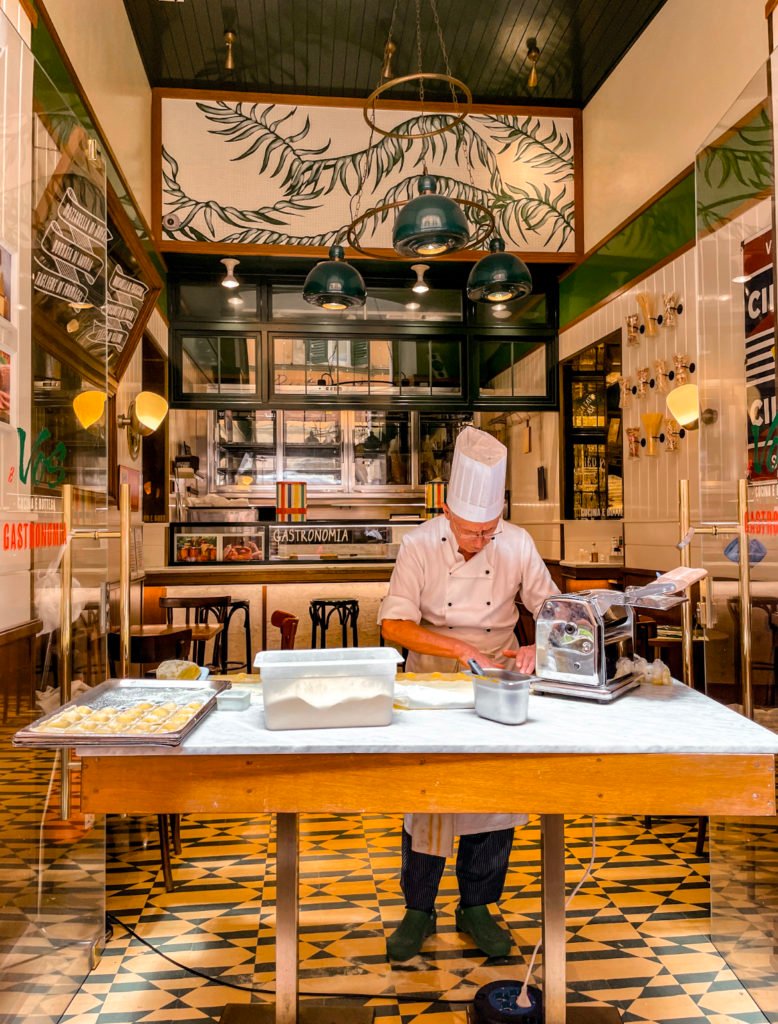
🍝 Experience authentic Roman cuisine, from carbonara and cacio e pepe to crispy supplì and creamy gelato.
🎭 Discover unique experiences like gladiator school, Vespa tours, golf cart tours, wine tastings, and cooking classes.
⛪ Step inside Rome’s breathtaking churches and basilicas, many of which are completely free to visit.
🌅 Wander through charming neighborhoods like Trastevere, Monti, and the Jewish Ghetto.
🖼️ Explore world-class museums, hidden galleries, and fascinating archaeological sites.
🌳 Escape the crowds in beautiful parks and gardens like Villa Borghese or stroll along the Appian Way.
🚆 Take a day trip to nearby destinations like Tivoli, Pompeii, or Florence.
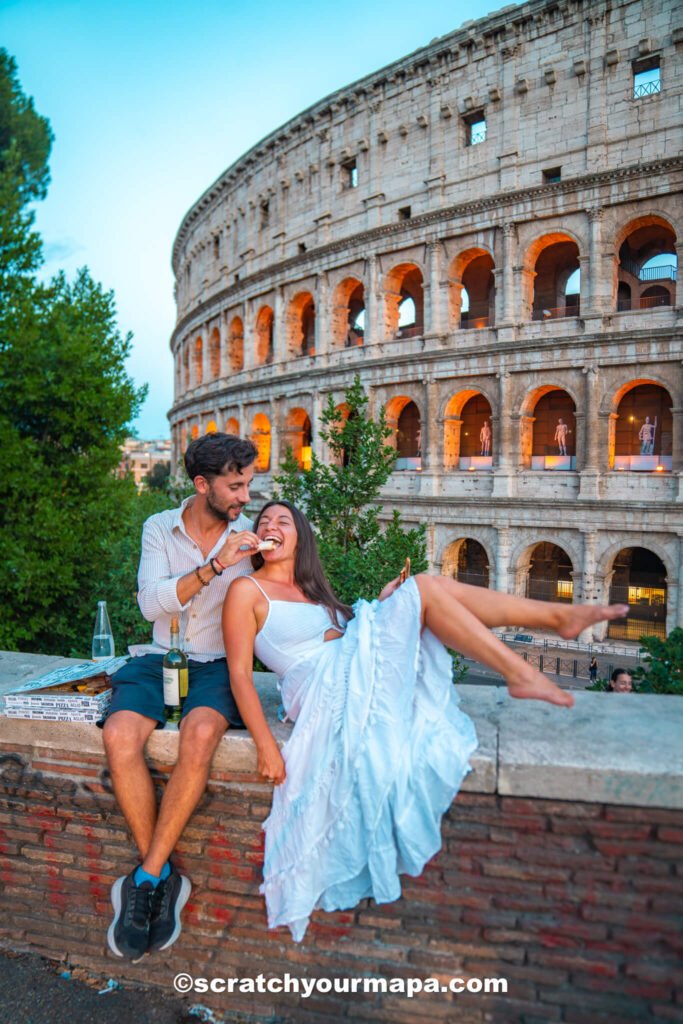
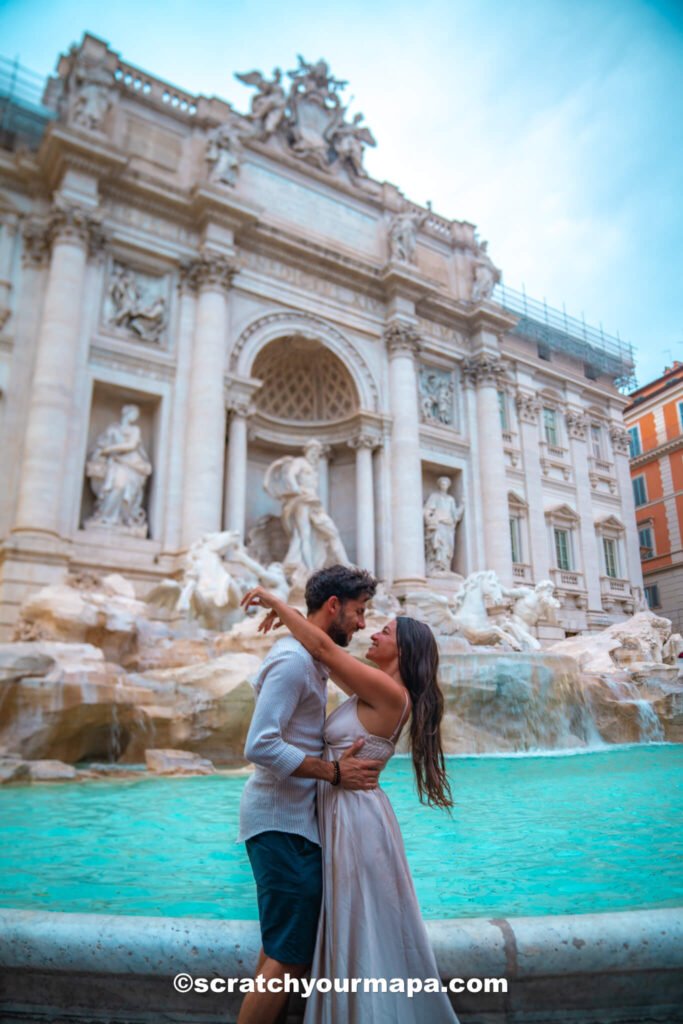
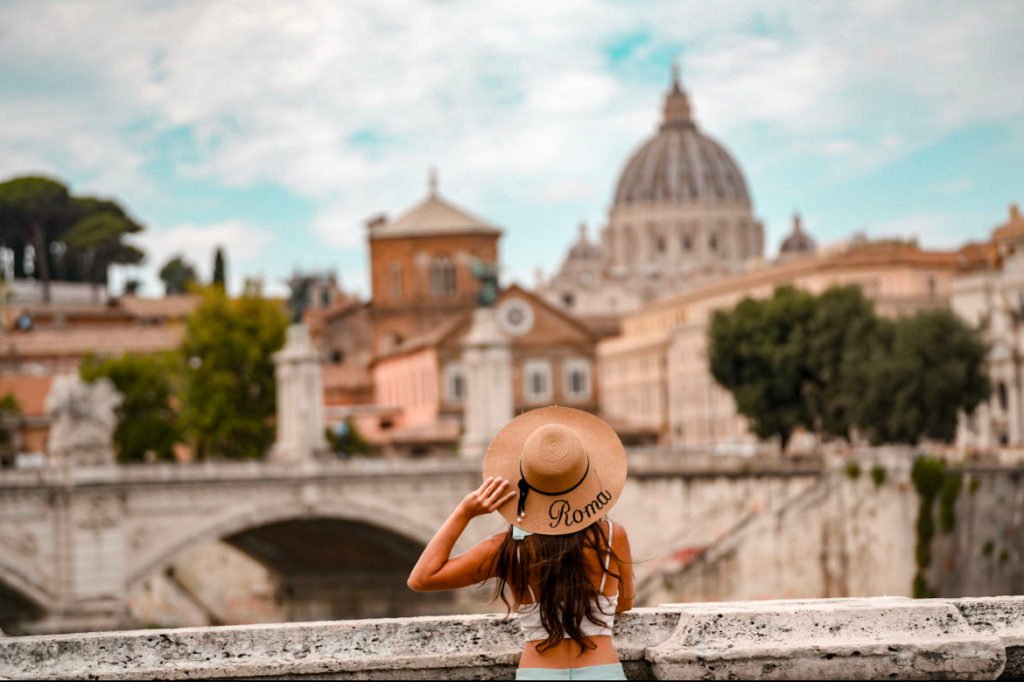
⭐️ This is just the beginning. For a complete breakdown of the city’s top attractions, hidden gems, unique experiences, and itinerary ideas, check out our other activity guides.
Rome Travel Blog: Enjoying Local Food & Drinks
From traditional pasta dishes and crispy street food to rich espresso and creamy gelato, Rome is absolutely packed with exciting dishes, restaurants, & culinary experiences. While you could easily spend an entire trip eating your way through Rome, here are a few of the foods and drinks you shouldn’t miss:
🍝 Classic Roman Pasta: Try local favorites like carbonara, cacio e pepe, amatriciana, and gricia.
🧀 Street Food: Grab a supplì (fried rice ball), pizza al taglio (pizza by the slice), or crispy fried artichokes when they’re in season.
🍨 Gelato: Cool off with authentic Italian gelato from one of Rome’s many artisan gelaterias.
☕ Italian Coffee: Whether it’s a quick espresso at the bar or a creamy cappuccino in the morning, coffee is an important part of everyday life in Rome.
🍷 Wine & Aperitivo: Unwind with a glass of Italian wine or enjoy an aperitivo before dinner at one of the city’s many bars and piazzas.


Planning a Trip to Rome: Where to Stay
Choosing where to stay in Rome can have a big impact on your trip. Some neighborhoods put you within walking distance of the city’s most famous landmarks, while others offer a quieter, more local atmosphere with incredible restaurants and nightlife. Here are a few of the best areas to consider:
🏛️ Historic Center: Perfect for first-time visitors who want to be close to attractions like the Pantheon, Trevi Fountain, and Piazza Navona.
🍷 Trastevere: One of Rome’s most charming neighborhoods, known for its cobblestone streets, lively nightlife, and fantastic local restaurants.
🎨 Monti: A trendy district near the Colosseum filled with boutique shops, cafés, wine bars, and a more relaxed atmosphere.
✨ Prati: Located next to Vatican City, Prati is quieter than the Historic Center and offers elegant streets, great shopping, and excellent dining.
🚉 Termini: A convenient option for travelers arriving by train or planning day trips, with accommodations available for nearly every budget. (Best for shorter stays).

Planning a Trip to Rome: Getting Around
You’re probably ready to start making your itinerary, but when planning a trip to Rome for the first time it’s important to first decide how you’re going to move around the city.
Rome has plenty of options for getting around, and is overall pretty budget-friendly to move around.
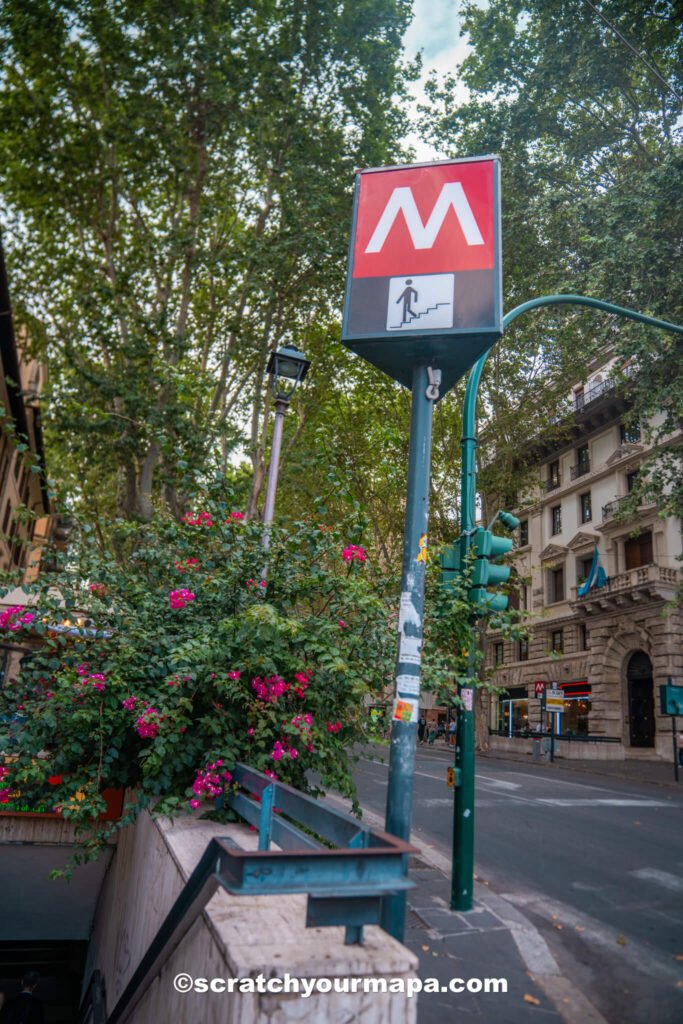
Here are the different options to move around Rome:
Want to compare all of the options? We have a full Rome transportation guide that covers each one further in details, so you can choose which is the best mode of transport for you.
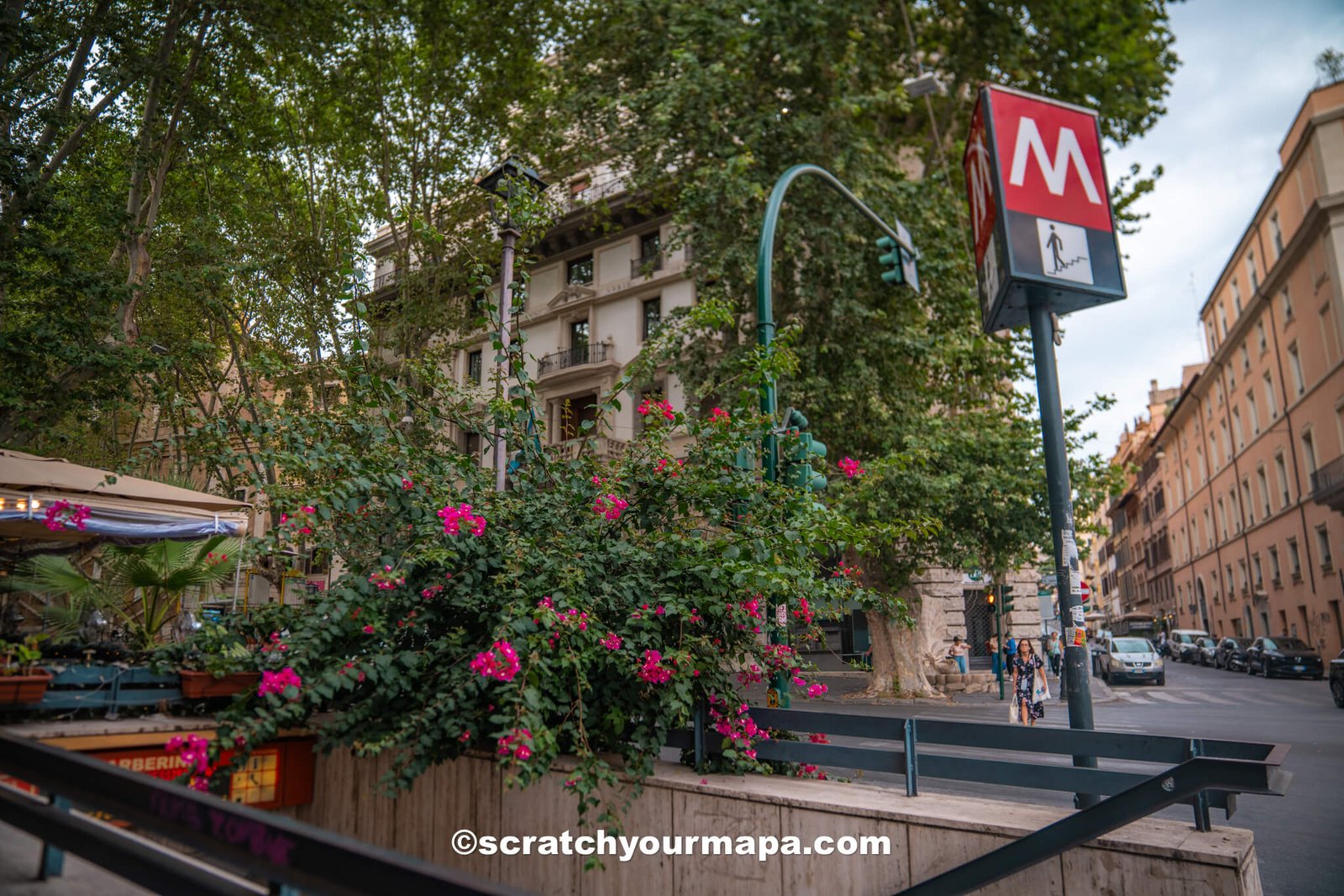
Here’s How Getting Around Rome Can Be Fun & Easy
Looking to get around Italy’s capital with ease? We break down all of the transportation options, so you can choose the right one for you
Planning a Trip to Rome: Safety
Rome is generally considered a pretty safe city and is one of the most popular tourist destinations in the world. Like any major city, however, it’s important to stay aware of your surroundings and take a few common-sense precautions. By knowing what to watch out for, you can enjoy your trip without anything bad happening..
🚨 Is Rome Safe for Tourists?
Rome is definitely safe for tourists! Millions of people visit Rome every year without any issues. Violent crime against tourists is rare, and most visits are trouble-free. The biggest concerns are petty theft and tourist scams, particularly in crowded areas around major attractions and public transportation.
🎒 Are Pickpockets Common in Rome?
Unfortunately, yes. Pickpocketing is the most common crime affecting visitors, especially in crowded tourist areas, on buses, and on the metro. Staying alert and keeping valuables secure will greatly reduce your chances of becoming a target.
💡 Consider using a crossbody bag that zips closed and keep it in front of you when walking through crowded areas.
⚠️ Are There Tourist Scams in Rome?
While Rome is very safe overall, there are a few common scams to be aware of. Some people may try to hand you a bracelet or small gift before asking for money, while others may approach you with petitions or offers to “help” you use ticket machines in exchange for a tip.
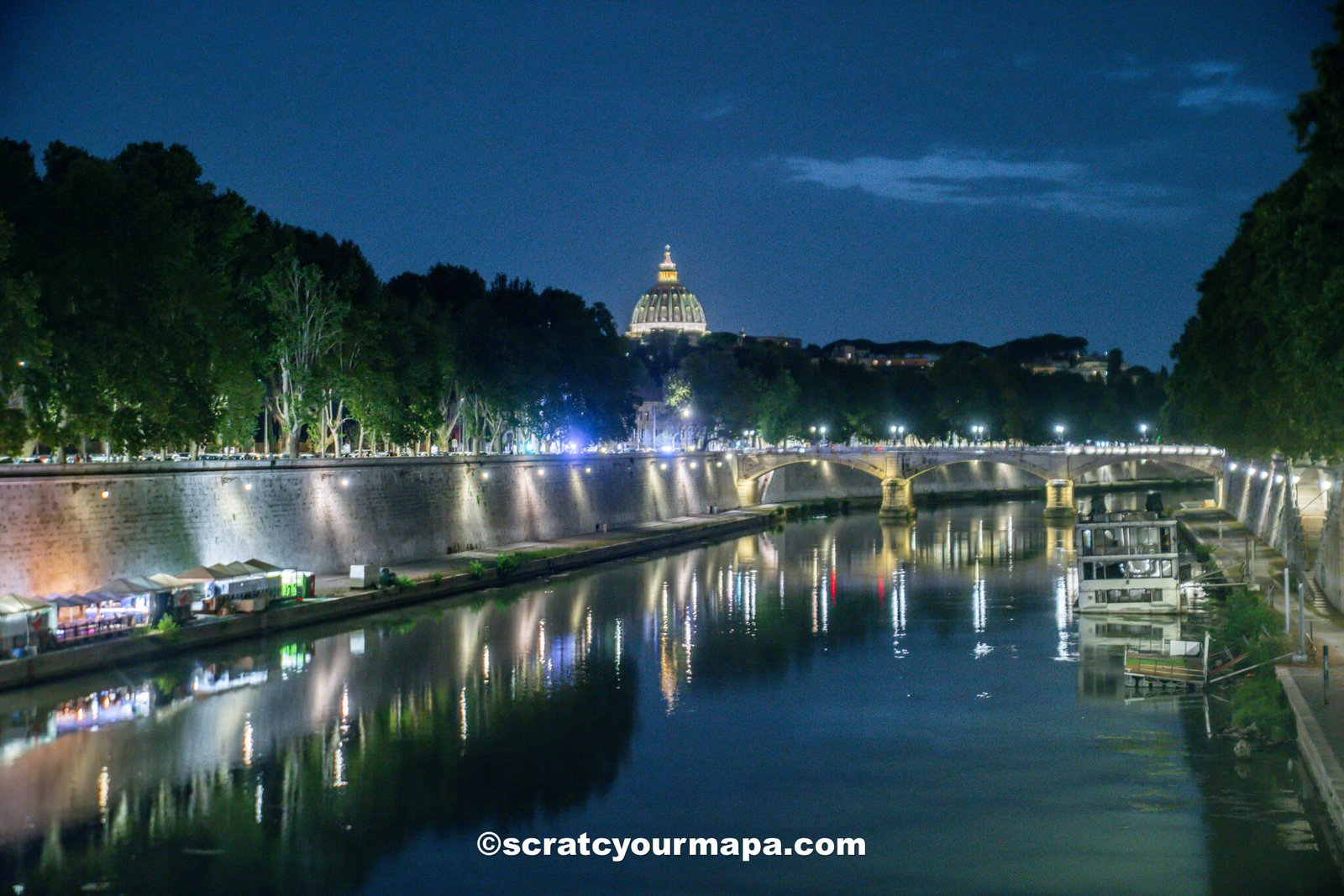
💡 A polite but firm “No, grazie” is usually all you need before continuing to walk away.
Rome Travel Blog: Other Things to Know When Visiting
Before finalizing your Rome itinerary, there are a few last details to consider. These common questions can help you decide when to visit, how long to stay, and what to pack for your trip.
☀️ Weather in Rome
Rome is a fantastic destination year-round, but spring (April to June) and fall (September to October) are generally considered the best times to visit thanks to pleasant weather and fewer crowds. Summer offers long days and lively outdoor dining but also brings intense heat and peak tourist season, while winter is quieter and often more affordable.
📆 The Best Time to Visit Rome
Rome is a fantastic destination year-round, but spring (April to June) and fall (September to October) are generally considered the best times to visit thanks to pleasant weather and fewer crowds. Summer offers long days and lively outdoor dining but also brings intense heat and peak tourist season, while winter is quieter and often more affordable.

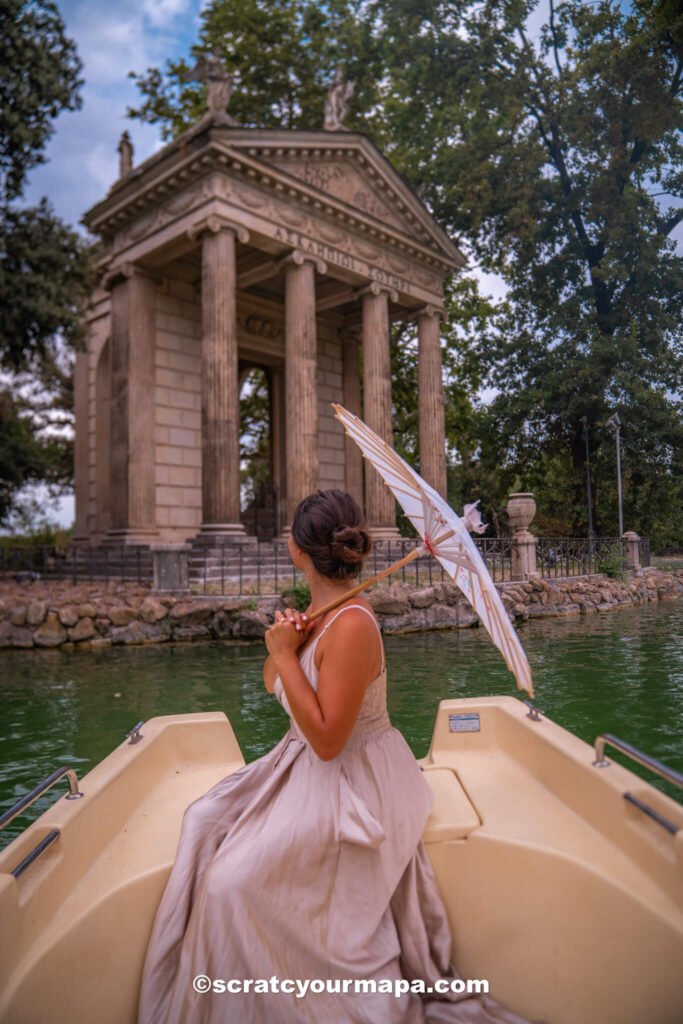
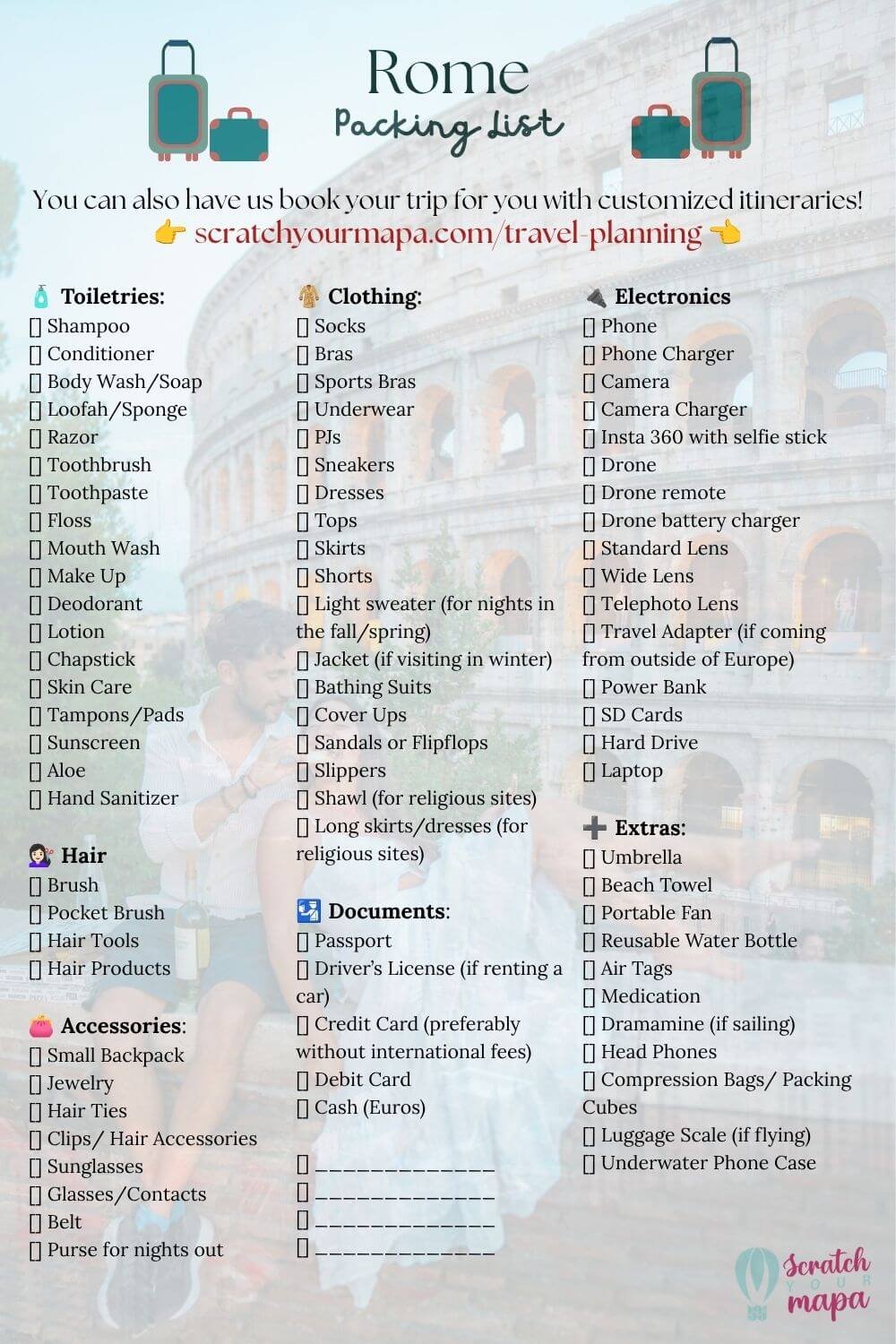
🧳 Packing for Rome
Ready to pack your bags? Don’t miss out on our free packing list you can download!
A few Rome-specific things to keep in mind when packing:
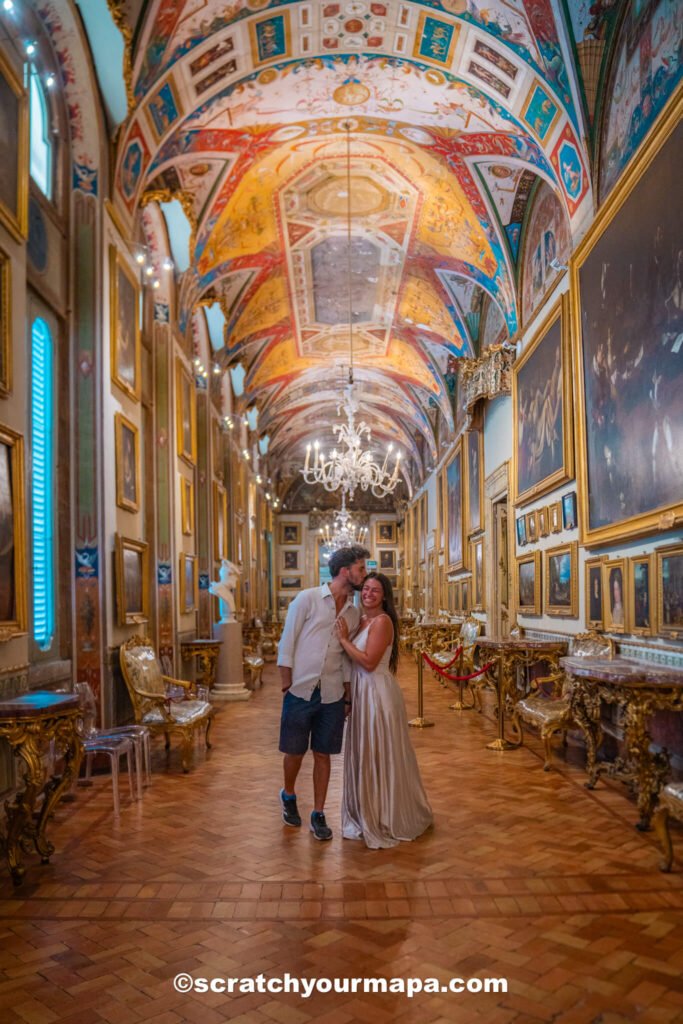
⏳ How Many Days We Recommend for Visiting Rome
We recommend spending at least three to four days in Rome to experience its major landmarks, neighborhoods, and incredible food. If you plan on taking day trips or prefer a slower pace, five to seven days will give you a much more relaxed experience.

Planning a Trip to Rome: FAQ
Now you pretty much know everything you need for planning a trip to Rome for the first time! But in case you missed anything or still have questions, here are answers to some of the top questions we receive.
How many days do you need in Rome?
We recommend spending at least 3 to 4 days in Rome to see the city’s most famous landmarks, enjoy authentic Roman cuisine, and explore a few neighborhoods. If you plan to take day trips or visit multiple museums, 5 to 7 days is even better.
What is the best month to visit Rome?
April, May, September, and October are generally considered the best months to visit Rome thanks to pleasant weather and smaller crowds than the busy summer season. Winter is also a great time to visit if you’re looking for lower prices and shorter lines.
Is Rome expensive to visit?
Rome can fit almost any budget. While attractions and hotels in the city center can be expensive, you’ll also find affordable restaurants, free attractions, public transportation, and budget-friendly accommodations throughout the city.
Is Rome safe for tourists?
Yes. Rome is generally a very safe city for tourists. The biggest concern is pickpocketing in crowded areas such as the Colosseum, Trevi Fountain, Vatican City, and on public transportation, so it’s important to keep an eye on your belongings.
Do people speak English in Rome?
Many people working in hotels, restaurants, and tourist attractions speak English, especially in central Rome. Learning a few basic Italian phrases is still appreciated and can make your interactions with locals even more enjoyable.
What food should you try in Rome?
Some of the best foods to try in Rome include carbonara, cacio e pepe, amatriciana, supplì, pizza al taglio, gelato, and authentic Italian espresso. Roman cuisine is simple, flavorful, and one of the highlights of visiting the city.
Can you drink the tap water in Rome?
Yes. Rome’s tap water is safe to drink, and you’ll find hundreds of free public drinking fountains, known as nasoni, throughout the city where you can refill your water bottle.
Is Rome a walkable city?
Absolutely. Many of Rome’s most famous attractions are within walking distance of one another, making it one of the best cities in Europe to explore on foot. Just be sure to wear comfortable shoes, as the cobblestone streets can be uneven.
When should you book attractions in Rome?
Popular attractions like the Colosseum, Vatican Museums, and Borghese Gallery often sell out days or even weeks in advance, especially during the spring and summer. Booking ahead is highly recommended to avoid disappointment.
Rome Travel Blog: Final Tips & What’s Next
Planning a trip to Rome may seem overwhelming at first, but with a little preparation, it’s one of the easiest and most rewarding cities to explore. Between the ancient landmarks, incredible food, charming neighborhoods, and unforgettable experiences, there’s truly something around every corner. Whether it’s your first visit or your fifth, Rome always has a way of surprising you.
After visiting Rome eight different times, we’ve learned that the best memories often come from slowing down. Of course, you’ll want to see the Colosseum, Trevi Fountain, and Vatican City, but don’t forget to leave time to wander the cobblestone streets, stop for an espresso, discover a quiet piazza, or enjoy a long dinner in Trastevere. Those unplanned moments are often the ones you’ll remember the most.
We hope this Rome travel blog has helped answer your biggest questions and made planning your trip a little easier. Be sure to explore our other Rome travel guides for more itinerary ideas, restaurant recommendations, hidden gems, and practical tips to help you make the most of your time in the Eternal City.
Want to save the article for later? Pin it!
👀 What’s Next?
Now that you all of the basic for planning a trip to Rome, you might want to know about specific areas of the country.
Here are some other Italy travel guides that we have:
🛳️ How to get to Rome
🤩 Things to see in Rome
🏛️ Things to do in Rome for first-time visitors
💃🏻 Unique things to do in Rome
🛵 How to get around Rome
📸 Best photo spots on the Amalfi Coast
🍋 Amalfi Coast travel guide
🐙 Bari travel guide
🚣♂️ How to visit Lago di Braies
🏔 Hiking Cadini di Misurina
🥾 Hiking Tre Cime di Lavaredo
💧 The hike to Lago di Sorapis
⛰ Dolomites travel guide
🛶 Venice travel guide
🌈 Burano travel guide
👩🏻🎨 Florence travel guide
🛳 Genoa travel guide
🎬 Turin travel guide
⛪️ Things to do in Milan

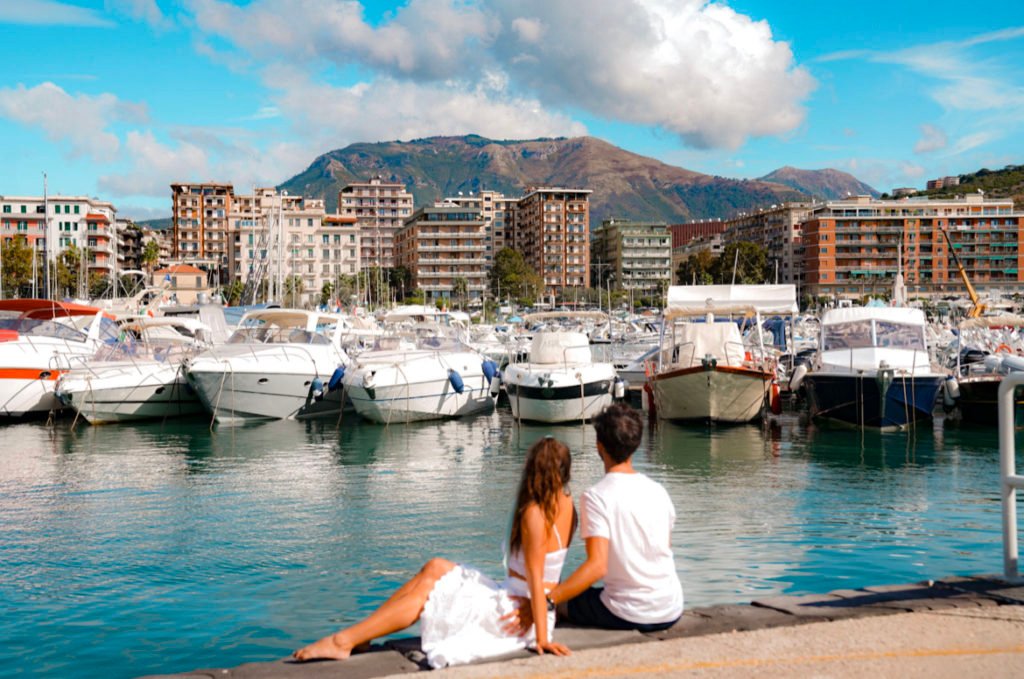

We hope you enjoyed our Rome travel blog and that it gave you all the info you needed to plan an awesome trip. Still have questions? Feel free to drop them in the comments below!
Want to learn more visiting Rome and other areas of Italy? We have plenty of other Italy Travel Guides for you, as well as new ones coming up every week! Make sure to subscribe to our newsletter so that you’re able to stay up to date with our most recent articles, and get special discounts on our shop.
Ready to start planning an incredible trip to Italy? Well, we’re here to help! Scratch Your Mapa offers customized travel planning, so you can skip all the tedious work, and simply enjoy your trip. Take a look at our travel planning packages we have, or simply email us to get started today!

Here are some other articles you’ll love: