
Cultural Travel Tips: How to Respect Local Customs Around the World
Learning cultural travel tips before visiting a new destination can completely change the way you experience a trip. When we first started traveling, we didn’t always know the unspoken rules of the places we visited, and we definitely learned some things the hard way.
From accidentally over-tipping in countries where it can negatively impact local customs to showing up unprepared for dress requirements at religious sites, every mistake taught us something new about becoming more respectful travelers.
After visiting every continent, we’ve learned that the best way to explore the world is by doing a little research before arriving. Understanding local traditions, religions, and etiquette not only helps you avoid uncomfortable situations, but also allows you to connect more deeply with the places you visit.
If you want to travel more confidently and respectfully, here are the cultural travel tips we’ve learned along the way.
Want to save the article for later? Pin it!
*Please note that this blog post may contain some affiliate links, which we make a small profit on, at zero cost to you. Links are only used on products & services that we’ve used and believe in, to give you the best buying experience. Purchasing from these links helps us to continue providing free travel guides for you- so thank you for your support!
Our Travel Planning Recommendations
Why Cultural Awareness Matters When Traveling
One of the biggest cultural travel tips we’ve learned after visiting every continent is that understanding a destination goes far beyond knowing where to go and what to see. Some of our biggest travel lessons have come from the moments when we didn’t fully understand local customs before arriving.
When we first started traveling, we focused mostly on the fun parts of planning a trip. We researched the best attractions, restaurants, and hidden gems, but we didn’t always think about the smaller cultural details that could completely change how we experienced a place.
Over the years, we’ve learned that doing a little extra research before arriving can help you avoid uncomfortable situations, respect local traditions, and connect more deeply with the destinations you visit.

Upgrade Your Inspo
Get the best travel tips, tricks, and hidden gems sent directly to your inbox. You’ll become a better traveler, week after week.
Upgrade Your Inspo
Get the best travel tips, tricks, and hidden gems sent directly to your inbox. You’ll become a better traveler, week after week.
🫶🏻 Small Actions Can Have a Big Impact
One of the most important things we’ve learned is that even small actions can have a bigger impact than you realize when traveling.
Something as simple as tipping, dressing, taking photos, or interacting with locals can vary dramatically from country to country. What feels polite or normal at home may not always be viewed the same way somewhere else.
For example, we used to think that leaving a bigger tip was always a positive thing. However, we learned that in some destinations, overtipping can actually affect local expectations and create differences between travelers and residents. Understanding the customs of the place you’re visiting allows you to support the local culture rather than unintentionally changing it.
🙇🏻♀️ Respecting Different Cultures Creates Better Experiences
Learning about local customs isn’t about being afraid of making mistakes or trying to perfectly follow every rule. It’s about arriving with an open mind and showing respect for the place you’re visiting.
We’ve found that some of our best travel experiences have happened when we took the time to understand the culture around us. Whether that meant dressing appropriately to enter a religious site, learning a few words in the local language, or following local dining etiquette, these small efforts often led to more meaningful interactions.
The more we travel, the more we realize that differences are what make each destination special. Instead of expecting every place to feel like home, embracing those differences is what makes exploring the world so rewarding.

Our Cultural Travel Tips for Visiting a New Destination
Now that we’ve visited every continent, we’ve developed a bit of a checklist before every trip. No matter where we’re going, we always spend some time researching the local culture so that we know what to expect before arriving.
Here are the cultural travel tips we use before visiting a new destination.
1. Research Local Customs Before You Go
Every destination has its own traditions, expectations, and unspoken rules. While you don’t need to know everything before arriving, understanding the basics can make a huge difference in how comfortable you feel once you’re there.
Before each trip, we like to research the things that might be different from what we’re used to. This helps us know what to expect, avoid accidental disrespect, and better understand the culture we’re stepping into.
🔎 Search for the Things Tourists Often Miss
A quick search before your trip can reveal important details that you may not have considered, from local etiquette to customs connected to religion, history, or daily life.
We’ve found that searches like “things to know before visiting [country]” or “common mistakes tourists make in [country]” are some of the most helpful ways to prepare before arriving somewhere new.
These searches often uncover the small details that aren’t always mentioned in traditional travel guides but can make a big difference once you arrive. For example, we wrote a guide about experiencing culture shock in India – highlighting some of the differences we noticed, so that other travelers can be prepared with an open mind.
Taking just a few minutes to learn about a destination can completely change the way you experience it. Instead of feeling like an outsider trying to figure things out as you go, you get there with more confidence and a better understanding of the place you’re visiting.
2. Learn What is Considered Appropriate to Wear
One of the biggest cultural travel tips we’ve learned is that clothing expectations can vary dramatically depending on where you are in the world.
Just because a destination is popular with tourists or known for its beaches doesn’t mean the same rules apply everywhere.
We learned this firsthand in Hvar, Croatia. The island is famous for its beaches, beach clubs, and nightlife, so it’s easy to assume that wearing swimwear everywhere is completely acceptable. However, walking around the historic old town in just your beachwear is prohibited, and visitors can even receive fines for doing so.
We also went to a waterfall in Kosovo in our bathing suits. It was in a small town, and we went in to swim and take pictures. Shortly after we got yelled at for being in our bathing suits. That was one of those moments that was totally unexpected, but could have been avoided if we looked up pictures of the site and its reviews.

🙂↔️ Don’t Assume Tourist Destinations Have No Rules
Hvar was a great reminder that every destination has its own local customs, even places that are heavily visited by tourists. The beach may be a place to relax in your swimsuit, but nearby towns, restaurants, and cultural areas can have completely different expectations.
This is something we’ve noticed all around the world. Some destinations have much more relaxed beach cultures, while others have stricter expectations about what is appropriate in public spaces.
Being aware of these differences before arriving can definitely help you avoid awkward situations and show more respect for the place you’re visiting.
🕌 Research Before Visiting Religious or Cultural Sites
Clothing expectations become especially important when visiting religious or culturally significant places.
Many destinations have guidelines around what visitors should wear, and knowing these ahead of time can make your experience much smoother.
After years of traveling, we’ve learned that packing a few versatile items and doing a little research beforehand can make a huge difference. It allows you to enter more places more easily and focus on enjoying the experience rather than worrying if you’re dressed appropriately.

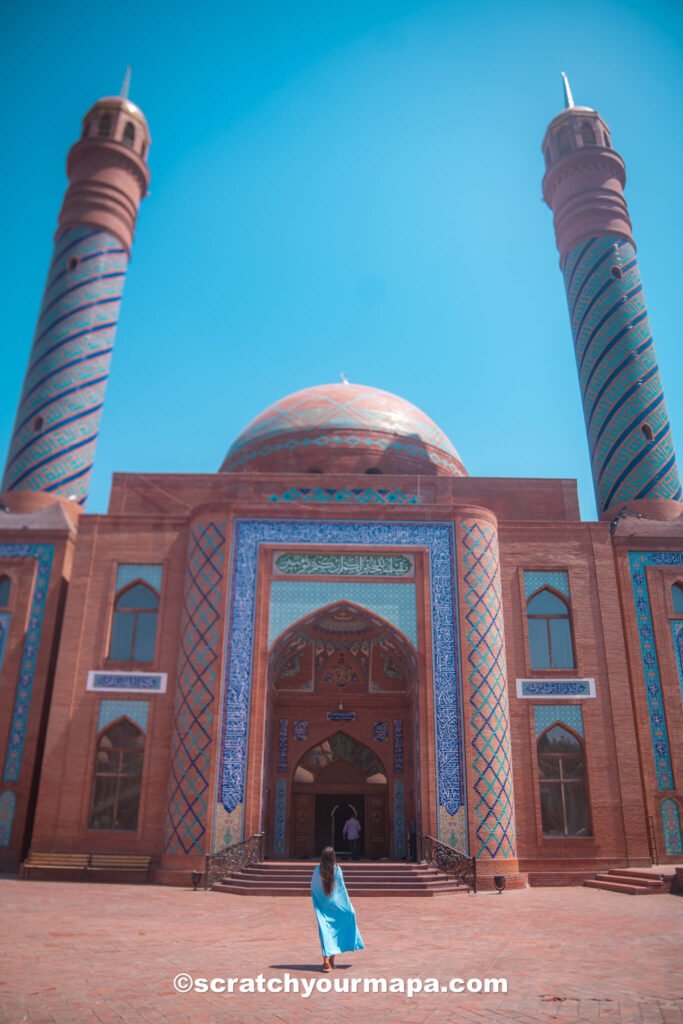
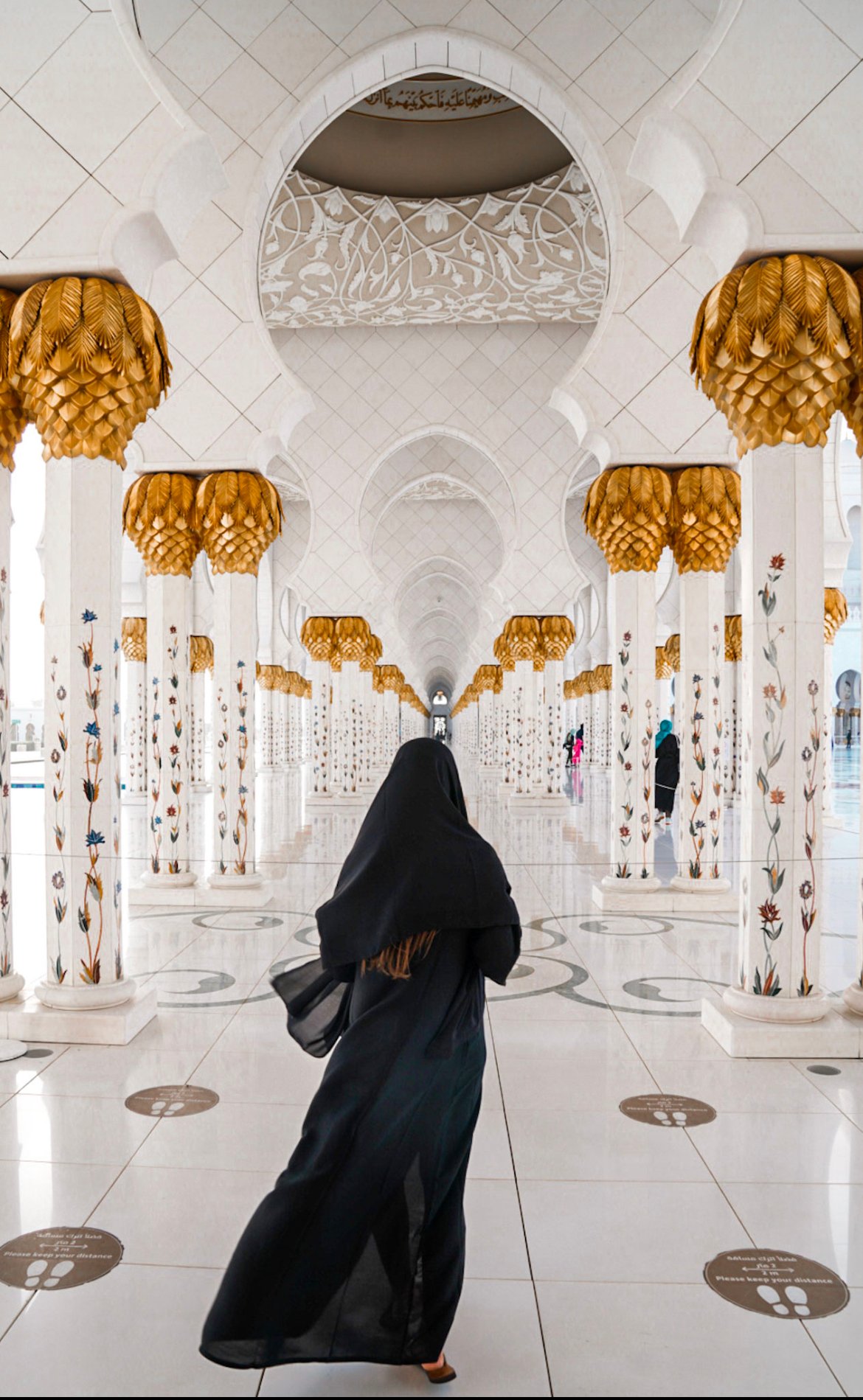
Religious sites oftentimes have dress codes.
⭐️ Want to learn more? We created a complete guide on how to dress respectfully while traveling, including clothing expectations at religious sites, beaches, and destinations around the world.
3. Learn How People Eat
Food is one of the most fun ways to experience a different culture, but it’s also an area where we’ve learned that you can’t always assume the way you eat at home applies somewhere else. Before visiting a new destination, it’s important to look into not only what people eat, but also how they order, prepare, and enjoy their food.
🍝 Knowing How to Order Food & Drinks
Italy is a great example. Ordering a cappuccino after a meal can immediately make you stand out as a tourist, as coffee traditions are much more specific than what we may be used to elsewhere.
There are also foods that Italians traditionally keep separate, so adding condiments or combining ingredients in ways that seem completely normal to us can be considered an absolute abomination. For example, ordering chicken with pasta isn’t really part of traditional Italian cuisine, even though it’s a combination you might commonly see elsewhere.
Food is extremely important to Italians, so in order not to be embarrassed by your server it’s good to know a few of these things.

🍽️ Being Aware of Table Manners
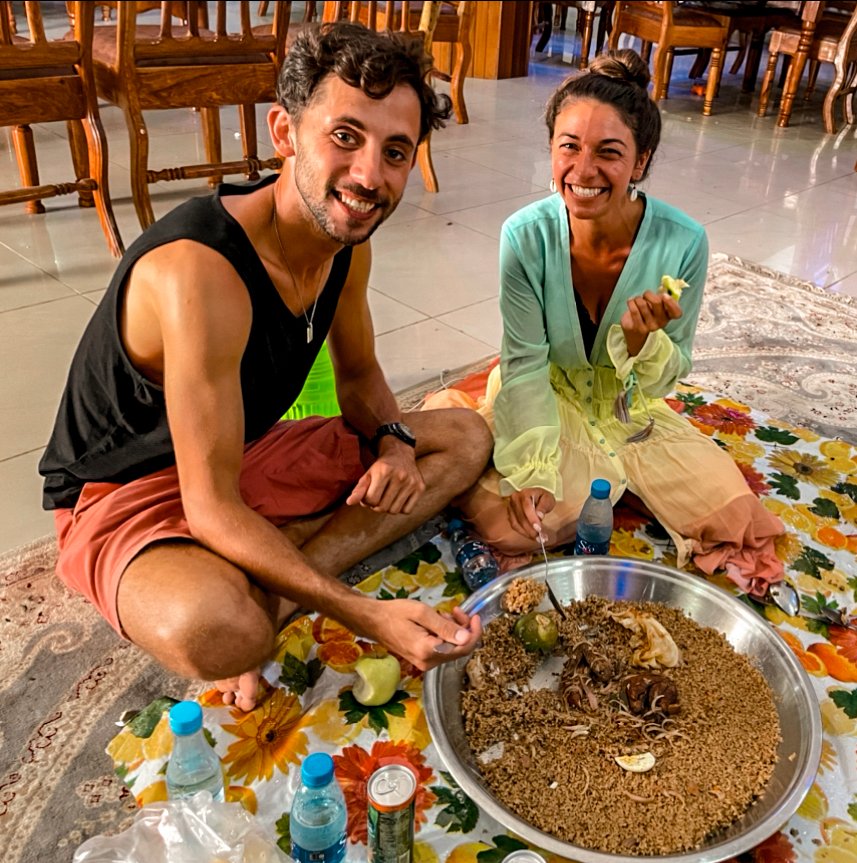
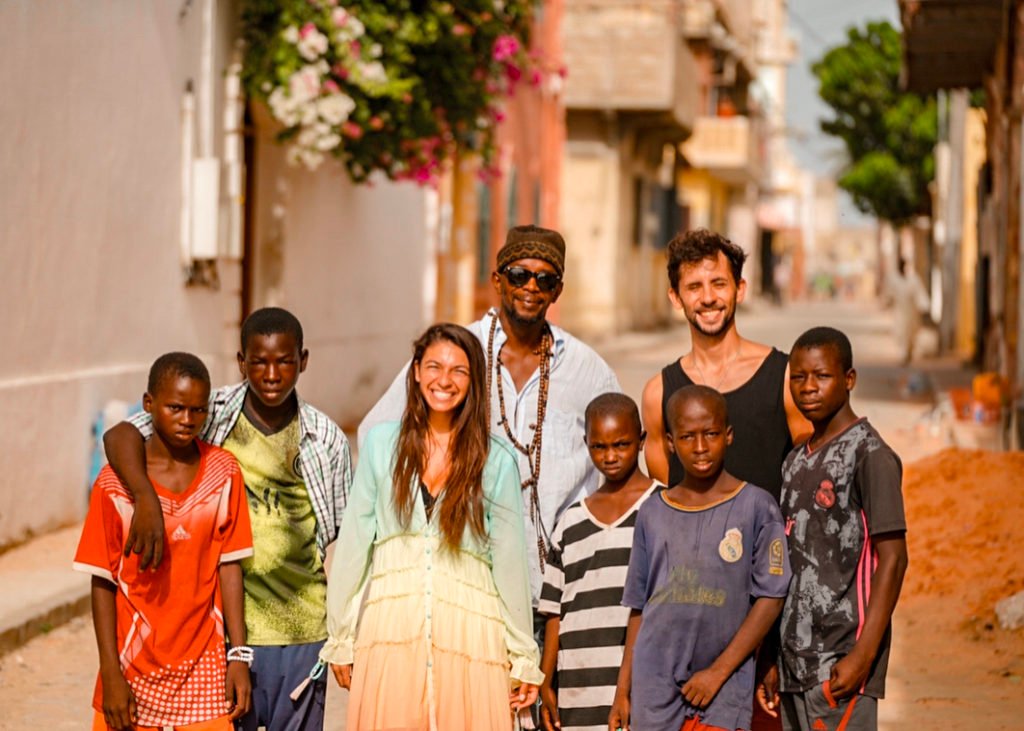
Food customs can be even more different in other parts of the world. In Senegal, for example, meals can be a very communal experience, with people gathering around a shared dish and eating together. In some settings, people sit on the floor and eat with their hands, with specific expectations around which hand is used.
Knowing these customs beforehand can help you feel much more comfortable and avoid accidentally appearing disrespectful. It also avoids a bit of culture shock, and will make connecting with locals easier.
We think this is one of the most fun parts of cultural travel because these differences aren’t necessarily rules you need to be nervous about. They’re simply part of understanding how people experience food in different parts of the world. Instead of only researching what you should eat, look into how locals eat it, too.
4. Learn About Religious Customs Before Visiting
Religion plays a major role in many cultures around the world, and understanding it can completely change the way you experience a destination. Some of the most memorable places we’ve visited have been religious sites, but we’ve also learned that these places require a little more awareness and respect than a typical tourist attraction.
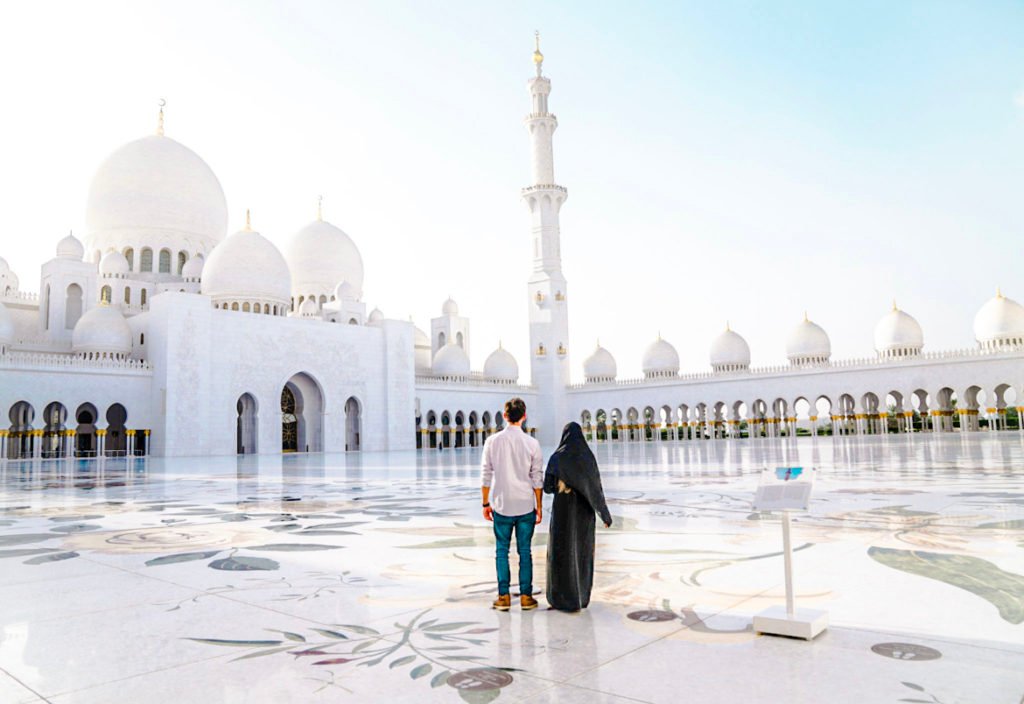
When visiting somewhere new, it’s important to remember that many temples, churches, mosques, and other sacred spaces are not just landmarks. They are active places of worship that hold deep meaning for the locals. This is not limited to just dress, but how you behave at these places.
🕌 Treat Religious Sites as More Than Tourist Attractions
One of the biggest lessons we’ve learned while traveling is that a beautiful photo opportunity doesn’t always mean a place should be treated like a regular sightseeing stop.
Before visiting religious sites, we’ve now started always checking the local expectations. This can include things like appropriate clothing, whether photography is allowed, where visitors can enter, and whether there are specific behaviors to follow.
For example, some places may require visitors to remove their shoes before entering, to avoid certain areas, or to remain quiet during prayer or ceremonies. These small details may seem unfamiliar at first, but they are simple ways to show respect.
🧘🏻♀️ Take Time to Understand Local Traditions
Aside from visiting religious sites, understanding local religious customs can help you better understand everyday life in a destination. Religion often influences holidays, food, opening hours, and daily routines.
We experienced this first-hand during Ramadan in Egypt. We had to be extra careful with planning our meals, and also to make sure we weren’t eating in front of locals during the day, as that would be insensitive. We also changed our schedule a bit to adjust, as locals were out more at night rather than during the day.
You don’t need to know every detail about every religion before traveling. But a little research and respect go a long way, and locals often appreciate when visitors make an effort to understand their culture.
⭐️ If you’re planning to visit religious sites around the world, we recommend researching the specific customs of each destination before arriving.
5. Learn the Local Rules About Money
Something that is really important when traveling to a new destination is understanding how the local currency works. This includes knowing about tipping, whether cash is preferred, and holding local currency rather than trying to use your own.
💸 Understand Tipping Culture Before You Travel
Tipping is one of those things that can vary dramatically around the world. If you’re used to the tipping culture in your home country, it can be easy to assume that the same expectations apply everywhere, but that’s not always the case.
This is something we learned through experience. When we first started traveling, we thought leaving a generous tip was always the right thing to do. However, we eventually learned that tipping customs are deeply connected to local culture, wages, and service expectations.
💅🏻 Learn What Exactly People Tip for
In the US, people tip for practically EVERYTHING. It’s a country where tipping is the heaviest in the world, not only in percentage amount, but with how many things we tip for.
Many destinations around the world limit tipping to sit-down restaurants, and it is not customary to tip for service-based jobs like nail salons and taxi drivers.
🙅🏻♀️ More Isn’t Always Better
One of the biggest cultural travel tips we can share is to research tipping expectations before arriving somewhere new. While tipping generously may be appreciated in some destinations, it can actually create issues in others.
In some countries, workers are paid with the expectation that their wages are not dependent on tips. Over-tipping can unintentionally create different expectations for future travelers or make services more expensive for locals over time.
This doesn’t mean you should avoid tipping altogether. It simply means understanding what is normal for the destination you’re visiting and following the local customs.

💡 Remember, being a responsible traveler isn’t always about giving more. Sometimes it’s about understanding what actually supports the community you’re visiting.
💶 Use the Local Currency
No, you CANNOT just use your US dollars everywhere. When I was working on cruise ships, I can’t tell you the number of guests who would take our their dollars assuming they could pay with them.
While SOME countries prefer dollars, it’s a lot less than you probably think. Assuming your currency can be used when outside your own country is actually incredibly offensive, and can make you look pretty arrogant. Traveling in Argentina or Cuba is one of the only exceptions to this, as there is a dollar shortage in these countries.
In some countries credit cards come for hefty fees (like Turkey for example), so if you’re shopping at a small business paying in cash is much more appreciated.
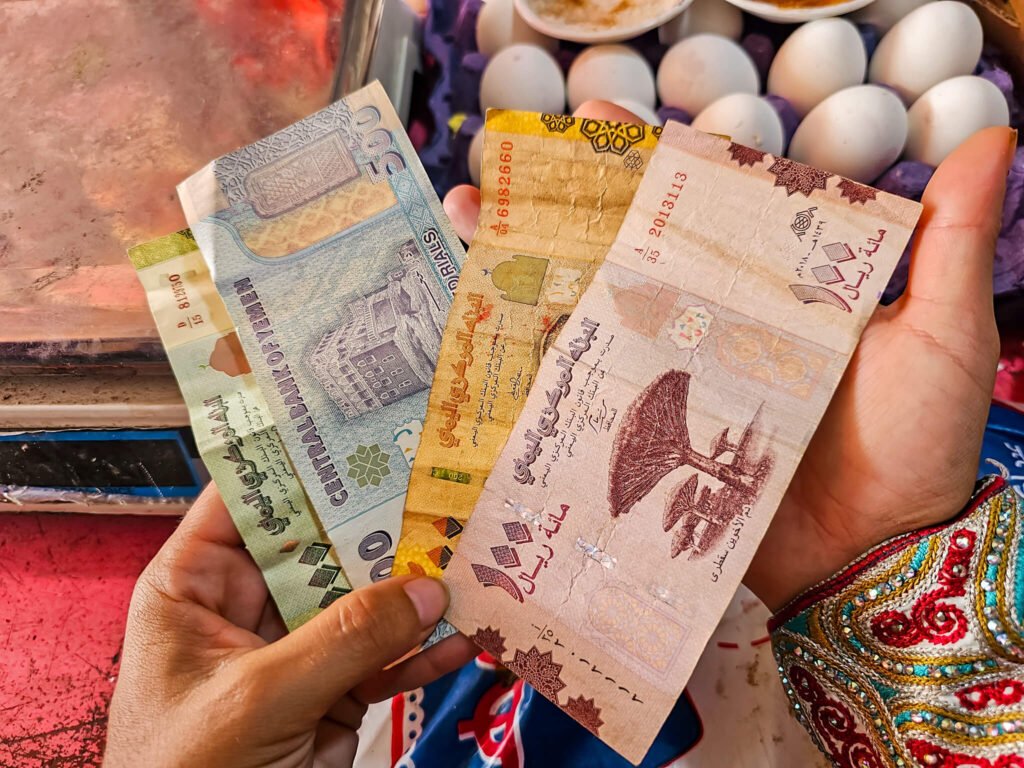
💡 Taking money out of the ATM is often the best way to get cash. Exchanging your cash at the airport or at currency exchange centers is oftentimes the worst deal.
6. Understand Local Communication Styles
One of the biggest cultural travel tips we’ve learned is that communication goes far beyond speaking the language. Every country has its own way of interacting, and understanding those differences can help you avoid awkward situations and connect more naturally with locals.
While learning a few basic phrases is always appreciated, we’ve found that paying attention to communication styles can be just as important.
🫣 Different Doesn’t Mean Rude
One of the funniest culture shocks we experienced was when visiting Ukraine. In the US, smiling at strangers is completely normal, so naturally that’s what we did. At first, we thought people were unhappy or didn’t like us because they rarely smiled back.
It wasn’t until we spoke with our Ukrainian friends that we realized they were just as confused by us! Smiling at strangers simply isn’t as common there, and once we understood that, our entire perspective changed. It was a great reminder that different doesn’t mean unfriendly, it’s just a different social norm.
👀 Observe Before You React
We’ve noticed similar differences throughout our travels. In countries like Vietnam, South Korea, and Japan, even simple hand gestures, including how people signal “no,” can be completely different from what we’re used to.
We’ve also learned that communication styles vary dramatically from place to place. Growing up around New York City, we’re used to getting straight to the point, whether it’s ordering at a restaurant or asking for directions. In other destinations, taking time for greetings or small talk is an important part of the interaction, while humor can also vary greatly between cultures.
The more we travel, the more we realize that taking a moment to observe how locals interact can teach you just as much as any guidebook. Keeping an open mind makes it much easier to appreciate these differences instead of misinterpreting them.
7. Research Photography Laws & Customs Before Your Trip
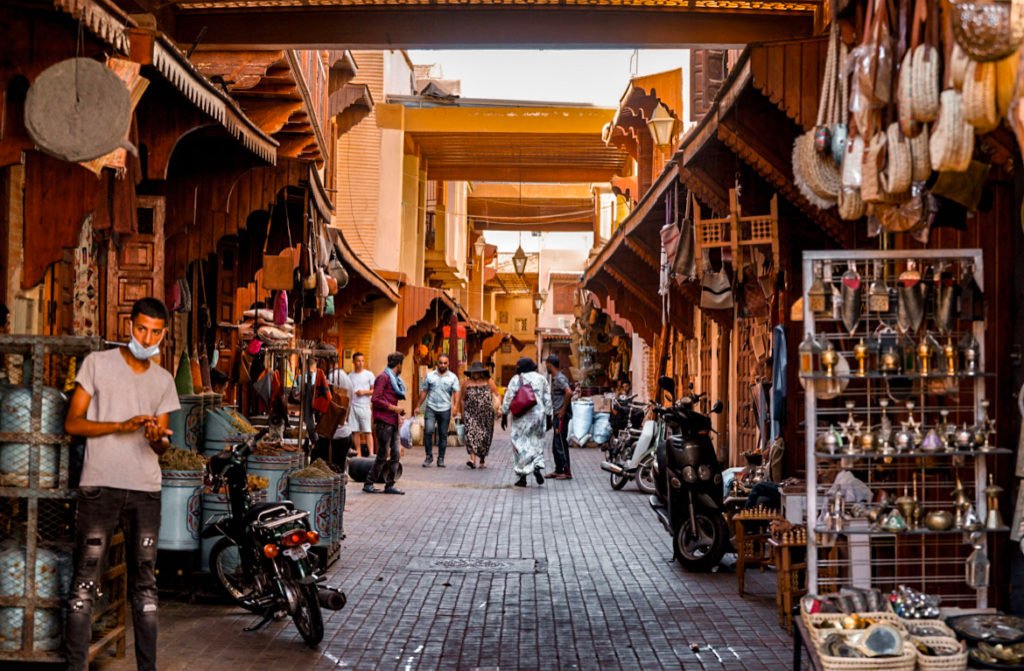
Photography is one of the best ways to capture your travels, but we’ve learned that every destination has different expectations when it comes to taking photos.
From photographing locals to flying drones or visiting famous landmarks, taking a few minutes to research the rules beforehand can save you from awkward situations, fines, or accidentally disrespecting the place you’re visiting.
🙆🏻♀️ Know the Rules for Photographing People
One of the biggest lessons we’ve learned is that not everyone wants to be photographed, and that’s okay. Whenever possible, we always recommend asking permission before taking photos of locals, and being especially mindful around children, religious ceremonies, or vulnerable communities.
Privacy expectations can also vary around the world. In many European countries, for example, consent and personal privacy are taken very seriously. Taking a moment to ask first is one of the easiest ways to show respect, and it often leads to much more meaningful interactions.
⛪️ Research Photography Etiquette at Popular Attractions
This is something we learned the hard way during a visit to the Taj Mahal. Like many travelers, we wanted to capture beautiful photos at one of the world’s most iconic landmarks, and we even took a few playful twirling shots.
After sharing our photos online, we learned that many people consider this disrespectful because the Taj Mahal is a mausoleum and a place of remembrance. We were genuinely embarrassed that we hadn’t researched this beforehand, but it was an important reminder that every destination has its own customs, even when it comes to photography.
We’ve also visited places where professional cameras require permits or aren’t allowed at all, so it’s always worth checking the rules before bringing extra camera gear.

🚁 Check Drone & Camera Regulations
If you’re traveling with a drone or professional camera, it’s especially important to research local regulations before your trip. Some countries require permits or registration, while others prohibit drones altogether or have strict no-fly zones around national parks, cities, religious sites, or historical landmarks.
We’ve made it a habit to look up drone and camera regulations before every trip. It only takes a few minutes, but it can save you from receiving fines, having equipment confiscated, or missing out on experiences because you weren’t prepared.
8. Research Local Laws & Follow Responsible Travel Practices
While cultural customs are important to understand, it’s also important to familiarize yourself with the local laws before visiting a new destination. Every country has different rules, and things that may seem completely normal at home could be restricted or prohibited somewhere else.
Over the years, we’ve learned that a little research before arriving can help you avoid uncomfortable situations and better understand why certain rules exist. However, following local laws is only the starting point. Being a responsible traveler often means going beyond what is legally required.
🍃 Always Follow “Leave No Trace” Principles
One of the biggest travel lessons we’ve learned is that just because something is allowed doesn’t always mean we should do it.
In some destinations, it may technically be legal to take shells from beaches, pick flowers, or interact with nature in ways that seem harmless. However, when thousands or even millions of visitors do the same thing, those small actions can have a much bigger impact over time.
We always try to follow the “leave no trace” mindset: take only memories, leave only footprints, and treat every destination as if we’re borrowing it from future travelers.
🤲🏼 Do Your Part to Protect the Places You Visit
Responsible travel isn’t only about following signs or avoiding fines. It’s about recognizing that every place we visit is someone else’s home and that many of the landscapes we love are fragile.
This also means properly disposing of trash, respecting wildlife, staying on marked paths when hiking, and doing our best to minimize our impact even when others may not be doing the same.
We can’t control every action around us, but we can control our own choices. The more travelers who make small efforts to protect the planet, the longer these incredible destinations can continue to be enjoyed by everyone.

9. Be Open-Minded
The most important of all of our cultural travel tips? Keep an open mind! Every destination has certain things that will be different than home – whether it’s how people eat, what their communication style is, or how religion affects everyday life.
One of the most beautiful aspects of life is understanding that we are all different, and someone else’s normal might be mind-blowingly different for you.
The moment we’re able to learn and embrace others’ differences, the better we’ll connect around the globe.❤️
Final Cultural Travel Tips for Respectful Travel
After visiting every continent, one of the biggest things we’ve learned is that the best cultural travel tips don’t come from memorizing every rule before a trip. They come from staying curious, being willing to learn, and understanding that every destination has its own traditions, expectations, and ways of doing things.
We’ve definitely made mistakes along the way, and honestly, some of those moments have taught us the most valuable lessons. From misunderstanding communication styles to learning photography etiquette the hard way, every experience has helped us become more thoughtful travelers.
The goal isn’t to arrive somewhere knowing everything. That’s impossible. The goal is to do a little research, respect the place you’re visiting, and remember that you are stepping into someone else’s home.
💡 The Best Travel Advice? Observe Before You Act
One of the simplest cultural travel tips we can share is to watch what the locals do. When you’re unsure, take a moment to observe. How are people greeting each other? What are they wearing? How are they interacting in restaurants, markets, or public spaces?
Often, the people around you will teach you more than any guidebook can. Paying attention helps you adapt, avoid misunderstandings, and experience a destination in a much more authentic way.
Traveling is about more than checking places off a list. It’s about understanding the world beyond your own perspective and appreciating the differences that make each destination unique.
Want to save the article for later? Pin it!
👀 What’s Next?
Now you know our top cultural travel tips – but there’s so much more! Each week we dive deep into different travel topics, so that you can be a better traveler.
Also, here are some other guides to help you plan your trip:
✈️ 3 Easiest hacks for booking flights
📆 When to buy your flight
🤑 Flight hacking for beginners
📆 How to plan your 2026 travels
🤑 How to visit expensive destinations on a budget
🍃 30 Ways to become a more eco-friendly traveler
🛌 How to find unique stays
🗺 How to create an itinerary with Google Maps
🤖 How to plan an epic trip step-by-step (without Chat GPT)
🎉 How to find epic festivals around the world
🧘🏻♀️ How to find local events while traveling
🤠 How to find the best tour operators
📲 10 Travel apps that will save you time and money
📝 10 Travel essentials you didn’t know you needed
👗 What to wear when traveling
🧳 28 Life-changing packing tips
🎒 Top 6 backpacks for travelers
💻 Strategies for booking your trip
👩🏻💻 10 Tips for working remotely while traveling
🪂 How to find fun things to do while traveling
💕 How to find epic travel alternatives
💞 15 destination dupes for your bucket list




We hope you enjoyed all of our cultural travel tips! Have any questions or doubts? Feel free to drop them in the comments below!
Looking for more game-changing travel tips? We have plenty of other travel planning and packing guides for you to check out. Also, don’t forget to subscribe to our newsletter for our weekly article updates, and for exclusive discounts on our shop!
Still feeling overwhelmed by it all? We can plan your perfect trip for you, or you can sign up for a one-on-one consultation where we spend time walking you through anything you need.

Here are some other guides you’ll love: